Have you ever thought about how your mouth affects the rest of your body, especially if you’re living a busy life in a place like Columbus, Ohio? Most people treat oral health as separate from overall wellness, something to handle twice a year at the dentist. In reality, what happens in your mouth can quietly influence your heart, brain, and even your mood in ways that often go unnoticed.
The Mouth Is Not Separate From the Body
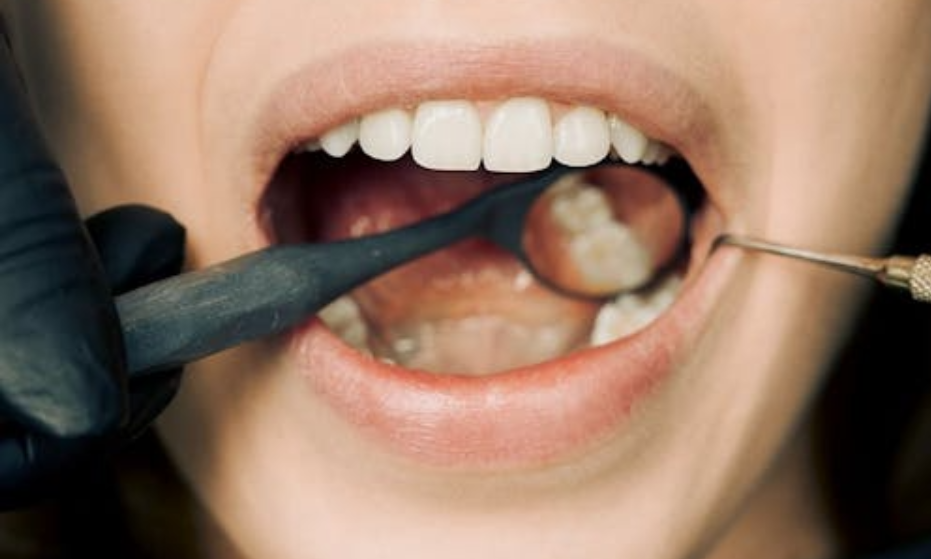
It’s easy to think of your mouth as a standalone system, but medically, it is deeply connected to everything else. Your gums, teeth, and tongue are full of blood vessels and bacteria that interact with your immune system daily. When oral hygiene slips, harmful bacteria can enter the bloodstream and trigger inflammation throughout the body.
This connection has gained attention in recent years as researchers link gum disease to conditions like heart disease and diabetes. The mouth is not just where digestion begins; it is also a gateway that reflects and affects your overall health in real time.
Why Preventive Care Is Becoming a Priority
Healthcare trends in the U.S. are shifting toward prevention, and oral health is part of that movement. People are realizing that small habits like brushing and flossing consistently can prevent expensive and painful problems later. Dental visits are no longer just about fixing cavities but about monitoring long-term health risks.
Families searching for the best orthodontist near me in Columbus, Ohio are often thinking beyond straight teeth. They are considering how alignment affects jaw function, breathing, and even sleep quality. Preventive care is no longer cosmetic; it is strategic, and it plays a role in overall wellness planning.
Gum Disease and Heart Health Are Linked
One of the most studied connections in modern dentistry is the link between gum disease and heart health. When your gums get sore and inflamed, bacteria are able to enter the bloodstream and contribute to plaque buildup in arteries. This can increase the risk of heart attacks and strokes over time.
Cardiologists now often ask patients about their oral health, which would have seemed unusual a decade ago. Keeping gums healthy by brushing twice daily, flossing, and getting regular cleanings is not just about avoiding tooth loss. It is also about reducing systemic inflammation that can strain the cardiovascular system.
Your Oral Health Reflects Your Diet Choices
What you eat shows up quickly in your mouth, often before it affects other parts of your body. Diets high in sugar and processed foods create an environment where harmful bacteria thrive, leading to cavities and gum disease. At the same time, nutrient deficiencies can weaken enamel and slow healing.
Recent conversations around ultra-processed foods in the U.S. highlight how diet impacts more than weight. Crunchy vegetables, lean proteins, and calcium-rich foods help maintain strong teeth and gums. Drinking water instead of sugary beverages can reduce acid exposure and support saliva production, which naturally protects your mouth.
Mental Health and Oral Hygiene Are Connected
The rise in conversations about mental health has also revealed an overlooked link with oral care. When people experience stress, anxiety, or depression, daily habits like brushing and flossing often decline. Over time, this neglect can lead to noticeable oral health issues.
There is also a feedback loop at play. Poor oral health can affect confidence, speech, and social interactions, which can worsen mental health. Maintaining simple routines, even during difficult periods, can provide a sense of control and prevent additional health burdens from developing.
The Role of Technology in Modern Dentistry
Advancements in dental technology are changing how oral health is managed and understood. Digital X-rays, 3D imaging, and AI-assisted diagnostics allow dentists to detect problems earlier and more accurately than before. This means treatment can be less invasive and more effective.
Teledentistry has also grown, especially after the COVID-19 pandemic reshaped healthcare access. Virtual consultations help patients address concerns quickly, reducing delays in care. Technology is making oral health more accessible and integrated into broader healthcare systems.
Sleep, Breathing, and Your Bite
Few people realize how much their bite and jaw alignment affect sleep and breathing. Conditions like sleep apnea are often linked to oral structure, including the position of the tongue and jaw. Orthodontic treatments can sometimes improve airflow and reduce sleep disturbances.
Poor sleep is tied to a range of health issues, including weight gain, heart disease, and reduced cognitive function. Addressing oral factors that contribute to sleep problems can have a ripple effect on overall wellness. This is one of the reasons dentists and sleep specialists are increasingly collaborating.
Simple Habits That Make a Big Difference
Improving oral health does not require complicated routines, but it does demand consistency. Brushing for two minutes twice a day with fluoride toothpaste helps remove plaque and strengthen enamel. Flossing daily cleans areas that a toothbrush cannot reach, preventing gum disease.
Regular dental checkups, ideally every six months, allow professionals to catch issues early. Using an alcohol-free mouthwash can reduce bacteria without drying out the mouth. Limiting sugary snacks and drinking plenty of water throughout the day can also support long-term oral health.
Why Oral Health Deserves More Attention
Despite growing awareness, oral health is still often treated as optional or secondary in healthcare discussions. Insurance coverage gaps and high costs can make dental care less accessible, which contributes to disparities in overall health outcomes. This is becoming a bigger topic in public health conversations across the U.S.
When policymakers and healthcare providers start treating oral health as essential rather than separate, the benefits extend beyond teeth. Better oral care can lead to fewer chronic diseases, lower healthcare costs, and improved quality of life. It is a small part of daily life that carries a much larger impact than most people realize.
- About the Author
- Latest Posts

Our Editorial Team are writers and experts in their field. Their views and opinions may not always be the views of Wellbeing Magazine. If you are under the direction of medical supervision please speak to your doctor or therapist before following the advice and recommendations in these articles.