Dental emergencies account for nearly 1 million emergency room visits annually among children under 15, according to the American Academy of Pediatric Dentistry’s 2024 surveillance data — yet 80% of these cases could have been better managed with immediate pediatric dental care instead. As Las Vegas continues experiencing rapid population growth and families increasingly rely on urgent care facilities that lack specialized pediatric dental equipment, the gap between recognizing a true dental emergency and getting appropriate treatment has become a critical concern for parents across the valley.
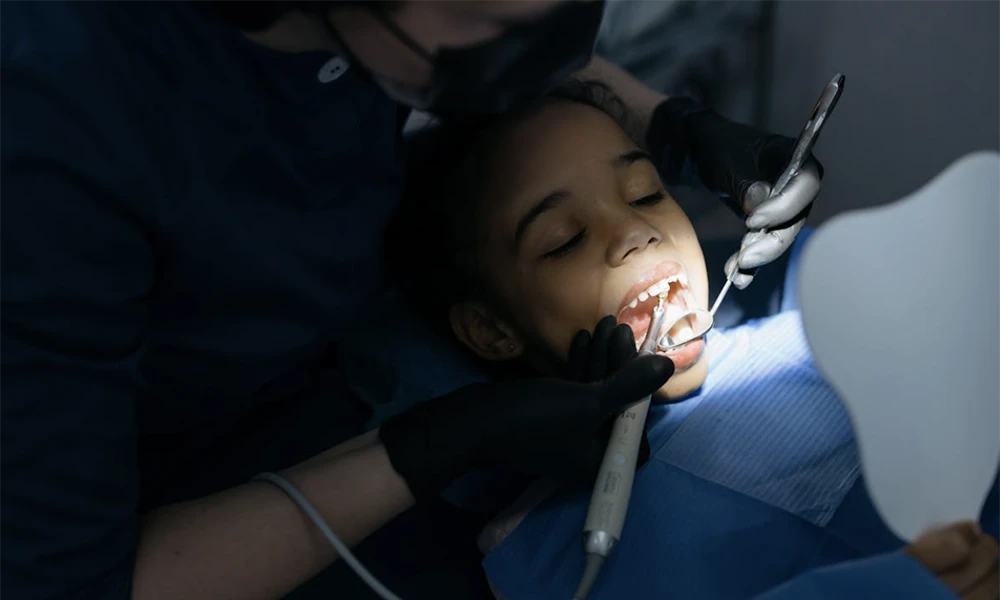
When a child suffers dental trauma, the first hour often determines whether a tooth can be saved, whether infection spreads, or whether long-term complications develop. Unlike adult dental emergencies, pediatric cases involve developing teeth, mixed dentition, and psychological factors that require specialized assessment and care approaches. For parents navigating these high-stress situations, knowing when to act and accessing emergency dental care for kids in Las Vegas can make the difference between preserving their child’s oral health and facing months of complex reconstructive treatment.
The reality is that most parents encounter their first pediatric dental emergency completely unprepared, often second-guessing whether the situation truly warrants immediate professional intervention. This guide walks through the specific warning signs that demand immediate action, the practical steps that can preserve treatment options, and the behind-the-scenes process that pediatric dentists use to manage these urgent cases effectively.
How to Recognize Signs of a Dental Emergency in Your Child
Not every dental incident requires emergency care, but certain symptoms signal potential complications that worsen rapidly without professional intervention. Persistent bleeding that continues for more than 15 minutes after applying direct pressure indicates either deep tissue damage or potential blood clotting issues that need immediate assessment. Unlike minor cuts that respond to basic first aid, oral bleeding involving the gums or tooth sockets can indicate nerve damage or arterial involvement.
Severe, escalating pain that doesn’t respond to age-appropriate pain medication within 30 minutes suggests nerve exposure or developing infection. Children often struggle to articulate pain intensity, but signs like refusing to eat, inability to sleep, or constant crying indicate pain levels that require professional management. This differs from the temporary discomfort following minor bumps that typically subsides with basic care.
Facial swelling around the jaw, cheek, or eye area signals potential infection or trauma extending beyond the tooth itself. Swelling that develops rapidly — within hours rather than days — particularly concerns dentists because it can indicate spreading cellulitis or developing abscess formation. Consider an eight-year-old who falls off their bike and initially seems fine, but develops facial swelling overnight along with fever. This progression suggests bacterial invasion requiring immediate antibiotic intervention.
Temperature sensitivity combined with throbbing pain often indicates nerve exposure from fractures extending into the tooth’s pulp chamber. When a child suddenly can’t tolerate cold drinks or reacts strongly to room temperature air hitting their tooth, the protective enamel and dentin layers have likely been compromised. Loose teeth in permanent dentition always warrant urgent evaluation, as the supporting structures may be damaged even when the tooth appears intact externally.
Knocked-out permanent teeth represent true dental emergencies with narrow treatment windows. Baby teeth that are completely avulsed typically don’t require reimplantation, but permanent teeth can often be successfully reattached if handled properly within the first hour. The key distinction lies in timing and preservation technique, which can determine whether the tooth survives long-term.
What Immediate Steps Should Parents Take During a Child’s Dental Emergency
The first priority involves controlling bleeding through direct pressure using clean gauze or cloth applied for 10-15 minutes. Avoid repeatedly checking the wound, as this disrupts clot formation. If bleeding persists beyond this timeframe or appears to be arterial (bright red, pulsing), seek immediate emergency care while maintaining pressure during transport.
For knocked-out permanent teeth, time becomes critical. Handle the tooth by the crown only, avoiding contact with the root surface where delicate cells responsible for reattachment remain viable for only 60-90 minutes outside the mouth. If the tooth appears clean, attempt gentle reinsertion into the socket, having the child bite down on soft cloth to hold it in position. When reinsertion isn’t possible, store the tooth in cold milk, which maintains cellular viability better than water or saliva.
Pain management requires age-appropriate dosing of over-the-counter medications while avoiding aspirin in children under 16 due to Reye’s syndrome risk. Ibuprofen often provides superior anti-inflammatory effects for dental trauma compared to acetaminophen alone. Cold compresses applied for 15-20 minute intervals can reduce swelling and provide additional pain relief, but avoid direct ice contact with sensitive oral tissues.
Managing fractured teeth involves collecting any visible tooth fragments in milk or saliva for potential bonding procedures. Rinse the child’s mouth gently with warm water to remove debris, but avoid aggressive cleaning that might damage exposed nerve tissues. Cover sharp edges with dental wax or sugar-free gum to prevent tongue or lip injuries until professional treatment is available.
Documentation proves valuable for both dental treatment and potential insurance claims. Photograph visible injuries, note the time and circumstances of the incident, and maintain records of any treatments administered. When emergency dental care for kids in Las Vegas becomes necessary, this information helps practitioners assess the progression of symptoms and determine appropriate intervention levels.
Establishing contact with pediatric dental emergency services should occur simultaneously with first aid measures rather than waiting to see if symptoms improve. Many dental offices maintain after-hours emergency lines that can provide specific guidance based on described symptoms and may offer immediate appointment availability.
What Are the Common Types of Dental Injuries in Kids
Pediatric dental trauma typically falls into predictable patterns based on developmental factors and common childhood activities. Understanding specific injury characteristics helps parents recognize severity levels and respond appropriately.
How to Identify and Respond to a Tooth Fracture
Tooth fractures in children present in several distinct patterns, each requiring different levels of urgency. Enamel-only chips appear as small missing pieces from the tooth edge without exposing underlying structures. These injuries cause minimal discomfort and can typically wait for regular dental appointments, though sharp edges should be smoothed to prevent soft tissue injury.
Dentin fractures extend deeper, often appearing as larger breaks exposing the yellowish layer beneath enamel. Children typically report sensitivity to temperature and pressure with these injuries. The exposed dentin contains microscopic tubules leading toward the nerve, making prompt treatment important to prevent bacterial invasion and potential infection.
Pulp exposure fractures represent true emergencies, identified by visible pink or red tissue within the fracture site, often accompanied by bleeding from the tooth itself. These injuries cause severe pain and have limited treatment windows before nerve death occurs. Nine-year-olds experiencing this type of fracture often report sharp, constant pain that interrupts sleep and eating.
Immediate response involves rinsing gently with warm water to remove debris, applying cold compresses externally for swelling control, and preserving any large tooth fragments in milk. Cover exposed nerve tissue with dental wax or sugar-free gum to reduce pain and contamination until professional treatment is available.
What to Do if Your Child’s Tooth Is Knocked Out (Avulsion)
Complete tooth avulsion creates different challenges depending on whether baby teeth or permanent teeth are involved. Baby tooth avulsion typically doesn’t require reimplantation, as attempting to replant primary teeth risks damaging developing permanent tooth buds underneath. Parents should focus on controlling bleeding and monitoring for signs of infection in the empty socket.
Permanent tooth avulsion represents a true dental emergency with success rates declining rapidly after the first hour. The periodontal ligament cells attached to the root surface remain viable for 60-90 minutes when properly preserved, making immediate action critical. Research shows that teeth replanted within 30 minutes have 90% success rates, dropping to 50% after two hours.
Proper handling technique involves grasping only the crown portion while avoiding root contact. If debris is present, rinse briefly with cold milk rather than water, which can damage cellular structures. Immediate reinsertion provides the best outcomes, with the child biting gently on gauze to maintain position during transport to emergency care.
When reinsertion isn’t possible, storage medium becomes crucial. Cold milk maintains cellular viability better than saliva or water due to optimal pH and osmolarity levels. Commercial tooth preservation solutions offer superior protection but aren’t typically available in emergency situations. Avoid storing avulsed teeth in tap water, which causes cell death within minutes due to osmotic pressure differences.
How Do Pediatric Dentists Manage Emergency Dental Care for Children
Pediatric dental emergency protocols differ significantly from adult treatment approaches, incorporating child development considerations, behavioral management techniques, and specialized equipment designed for smaller mouths and developing dentition.
What Role Do X-rays and Diagnostic Tools Play
Emergency dental assessment begins with comprehensive imaging to reveal injuries not visible during clinical examination. Digital radiography provides immediate results while reducing radiation exposure compared to traditional film x-rays. Pediatric dentists typically obtain multiple angles including periapical views showing root structures and panoramic images revealing jaw fractures or developing tooth damage.
3D cone beam imaging has revolutionized emergency diagnosis by revealing complex fractures, root displacement, and jaw injuries that conventional x-rays might miss. This technology proves particularly valuable when children present with facial trauma affecting multiple teeth or suspected jaw fractures. The detailed visualization helps determine whether seemingly minor injuries involve significant structural damage requiring immediate intervention.
Pulp vitality testing helps assess nerve health in traumatized teeth using temperature testing and electrical stimulation. These tests can be challenging with young children, but new laser Doppler devices provide objective measurements of blood flow within teeth, offering reliable assessments even when children can’t communicate symptoms effectively.
Intraoral cameras document injuries for treatment planning and insurance purposes while helping explain procedures to both children and parents. The visual documentation proves valuable for tracking healing progress and making decisions about long-term treatment needs. Modern pediatric practices integrate these images into electronic records for comprehensive case management.
Available Emergency Treatment Options for Kids
Tooth reattachment procedures for avulsed permanent teeth involve careful cleaning, root surface treatment, and stabilization using flexible splints that allow slight movement during healing. Success depends heavily on timing, with immediate treatment offering the best prognosis for long-term tooth survival.
Pulp therapy treatments preserve damaged nerves in primary and permanent teeth through pulpotomy or pulpectomy procedures. These treatments remove infected tissue while maintaining tooth structure, avoiding extraction when possible. Pediatric dentists use specialized techniques including laser therapy and biocompatible materials designed specifically for developing teeth.
Sedation options help manage anxiety and pain during emergency procedures. Nitrous oxide provides mild relaxation while maintaining consciousness, while oral sedation offers deeper calming effects for more extensive treatments. IV sedation remains available for complex cases, though most pediatric dental emergencies can be managed with local anesthesia and behavioral guidance techniques.
Temporary restorations stabilize damaged teeth until comprehensive treatment can be completed. Glass ionomer materials release fluoride while protecting exposed tooth structure, and composite resin materials provide immediate esthetic improvement for front tooth injuries. These temporary solutions often remain functional for weeks or months while permanent treatments are planned and completed.
How Can Parents Prevent and Prepare for Kids’ Dental Emergencies
Protective equipment significantly reduces dental injury risk during sports and recreational activities. Custom-fitted mouthguards provide superior protection compared to over-the-counter versions, distributing impact forces across multiple teeth rather than concentrating damage. Research indicates that athletes wearing properly fitted mouthguards experience 60% fewer dental injuries than those using generic protection.
Home safety modifications address common injury sources within residential environments. Securing area rugs that create tripping hazards, installing safety gates at the top of stairs, and cushioning sharp furniture edges reduce fall-related dental trauma. Swimming pool safety deserves particular attention in Las Vegas, as diving injuries frequently cause severe facial and dental trauma.
Emergency preparedness involves assembling a pediatric dental emergency kit containing cold packs, gauze, over-the-counter pain medication, dental wax, and a tooth preservation solution or small container for milk storage. Include emergency contact numbers for pediatric dentists, after-hours dental services, and poison control. Many Las Vegas pediatric dental practices provide 24-hour emergency contact information for established patients.
Educational components help children understand injury prevention and appropriate responses to dental trauma. Teaching proper playground behavior, explaining why objects shouldn’t be bitten or chewed, and practicing emergency procedures can reduce both injury frequency and panic responses when accidents occur. Regular dental checkups provide opportunities to identify risk factors like teeth grinding or malocclusion that increase trauma vulnerability.
The key to effective emergency preparedness lies in recognizing that most dental emergencies occur during evening hours, weekends, or family vacations when regular dental services aren’t immediately available. Parents who understand basic emergency response principles and maintain appropriate emergency supplies often preserve treatment options that might otherwise be lost during the critical first hour following dental trauma.
- About the Author
- Latest Posts

Our Editorial Team are writers and experts in their field. Their views and opinions may not always be the views of Wellbeing Magazine. If you are under the direction of medical supervision please speak to your doctor or therapist before following the advice and recommendations in these articles.