Waking up with a stiff back is a frustrating way to start the day. Many people assume their mattress is fine just because it looks new. Your spine needs specific support to stay aligned during 8 hours of rest.
If the bed is too soft or too hard, your muscles work overtime to keep you stable. Learning how firmness levels impact your body can change your health.

Understanding Spinal Alignment And Sleep
The spine has natural curves that need to stay supported throughout the night. A good bed holds these curves without letting them sink too deeply into the materials.
Muscles need to fully relax to let the body repair itself during rest. If the surface is uneven, your core stays engaged to protect your joints from shifting. Constant tension results in that familiar feeling of waking up tired and sore.
When the spine stays neutral, the discs between your vertebrae can hydrate and recover. Proper alignment reduces the risk of long-term injury and chronic discomfort.
The Role Of Mattress Firmness
Finding the right level of support is the first step toward better mornings. Looking at a Panda London mattress firmness guide, or a similar resource, helps you identify where your current bed falls on the scale and if you need a new one. This knowledge allows you to make an informed choice for your specific needs.
Everyone has a different definition of what feels comfortable in a bed. Some sleepers love a cloud-like feel, whereas others need a rigid surface to feel supported. Identifying your preference is a big part of the selection process.
Firmness is measured on a scale of 1 to 10 in the sleep industry. A 1 represents the softest possible surface, and a 10 is as hard as a floor. Most people find their ideal comfort level somewhere in the middle of this range.
Finding The Balance For Your Back
Many experts suggest that extreme ends of the scale are not ideal for back issues. A testing lab found that a rating of 6 or 7 on the firmness scale helps keep the spine straight.
Medium-firm options seem to be the sweet spot for many people. A recent report from a major aging advocacy group suggested that medium-firm beds offer the best mix of relief and stability.
If a bed is too soft, your hips will drop below your knees. A supportive middle layer prevents this “hammock effect” from happening.
Clinical Findings On Bed Stability
Hard mattresses were once thought to be the only cure for back pain. Science now shows that a bit of cushioning is actually better for the spine than a rock-hard slab. Data from a long-term clinical trial showed that people using medium-firm options reported less pain after 90 days than those on hard surfaces.
The study monitored participants over several months to see how they felt each morning. Those with the medium-firm beds had a much easier time moving around after waking up. It proves that extra hardness is not always the best solution for orthopedic health.
Pressure relief is just as key as stability for a good night of sleep. If the bed is too hard, it pushes against your joints and cuts off circulation.
Sleep Positions And Pressure Points
Side sleepers usually need a surface that allows the shoulder to sink in. If the bed is too firm, the spine will curve upward in an unhealthy way. A bit of plushness helps keep the neck and hips level with the rest of the body.
Back sleepers require a more consistent level of support across the entire frame.
- Shoulders stay square and relaxed.
- Hips remain level with the chest area.
- Knees receive light support from the lower mattress.
Stomach sleepers are at the highest risk for spinal misalignment. A firmer surface is usually required to keep the torso from dipping.
Material Choices For Support
Memory foam is a popular choice for those who need pressure relief. It contours to the shape of the body and distributes weight evenly across the surface. This helps reduce the tension that builds up in the lower back.
Hybrid beds combine springs with foam layers for a mix of bounce and support. The coils provide a strong base, which keeps the spine from sagging too deeply. Plus, the foam top adds the comfort needed for sensitive joints.
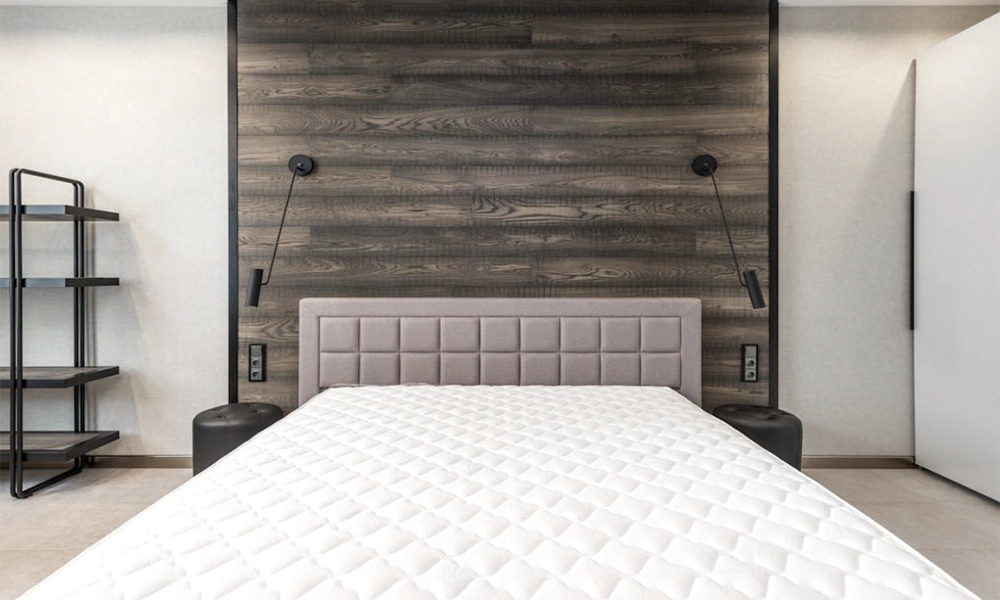
Testing For Comfort
You should spend at least 15 minutes lying on a new bed before buying it. Wear comfortable clothes and try out your usual sleeping positions during the test.
Choosing the right mattress firmness and support level can make a significant difference for spinal alignment and long-term sleep comfort. This guide on the best mattress for back pain breaks down what to look for based on sleep position and support needs.
Most companies offer trial periods that last 100 days or more. It takes the body about 3 weeks to adjust to a new sleeping surface. Using this time to evaluate your pain levels is a smart move for your health.
Improving your sleep starts with the foundation beneath you. Picking the right firmness level is a personal journey that requires some research. When your spine is aligned, your body can finally get the deep rest it deserves.
- About the Author
- Latest Posts

Our Editorial Team are writers and experts in their field. Their views and opinions may not always be the views of Wellbeing Magazine. If you are under the direction of medical supervision please speak to your doctor or therapist before following the advice and recommendations in these articles.