A child might find their closest bond with an animal at home. Wherever the little one moves, so does the dog, cat, or even a small creature like a guinea pig , always near, always part of the day. Because of this closeness, grief could arrive quietly when the pet is gone, introducing loss in its most personal form.
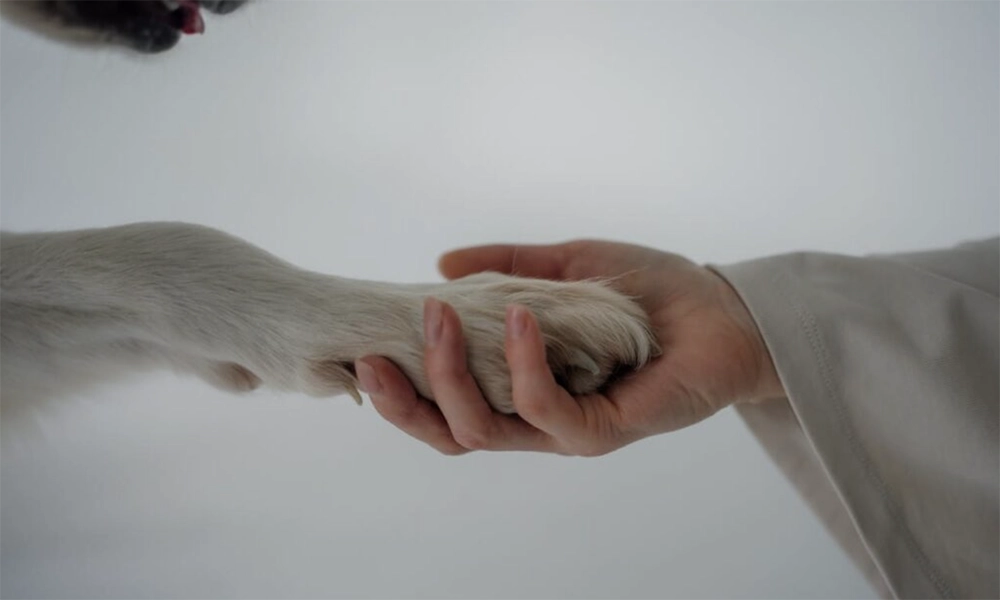
Photo by Anastasia Lashkevich from Pexels
Truth matters most when helping a child through losing a pet. Feelings are part of it, not something to fix or hide. Every young one sees life differently, shaped by how they grow and who they are. Being gentle with words helps more than trying to rush comfort. What feels heavy for them might seem small to adults. Still, it counts just the same.
Why the Loss of a Pet Can Feel So Significant to a Child
For a kid, a pet is an unlimited source of love and an important part of their identity each day. Once it goes missing, there will be a huge void created in their sense of safety.
Since kids don’t always know the complicated language of emotions, which adults do, their way of grieving the death of their pet may not consist of crying and long conversations. It might be manifested by increased irritability, inability to fall asleep, or increased clinginess.
According to information available from KidsHealth, a child who just lost a pet may ask the same question multiple times while processing his or her loss. It is not unusual for the child to be fine one moment and withdraw into themselves the other.
Children Often Experience Grief in Waves
One thing to keep in mind is that children will likely “dose” their sadness. One minute they may be crying and the next minute they may want to eat or go outside and play.
This does not necessarily indicate that the child is no longer sad or that he or she has “gotten over it.” According to an article on Psychology Today, children switch back and forth between emotional states rapidly due to their inability to maintain emotional states for extended periods of time.
How Honest Conversations Help Children Process Pet Loss
In times of crisis, our natural tendency is to shield our children from reality with gentle terms. But words such as “put to sleep” and “went away” may only serve to confound matters.
Children might develop an aversion to bedtimes or wait weeks for their pet to return from its trip.Talking to your children about the death of a beloved pet will be most successful if you maintain openness and straightforwardness in your language.
You may lay down a foundation for them by letting them know that their companion’s body was no longer working and couldn’t be repaired. There’s nothing wrong with saying, “I am quite devastated as well.”
Simple Language Often Works Best
You do not need a pre-written speech for the occasion either. At times, all you have to do is to sit on the floor and say, “Our friend was very ill, and now they have passed away.” What you need to do is listen more than anything else; instead of solving their sadness straightaway, let them ask the “why” and “how” questions.
Creating Comfort and Stability During Difficult Moments
The experience of grief may make the world of a child seem chaotic. Sticking to your regular breakfast time, driving the child to school, and having your bedtime story sessions act as an anchor for them during the period when they are grieving the loss of a family pet.
Some practical suggestions could include making a drawing of their best memories, and helping you gather some mementos from the pet such as its favorite toys and pictures.
Small Rituals Can Help Children Feel Connected
From putting a certain type of flower in the garden to writing letters expressing thanks for the good times that have been shared, such practices serve as a bridge that leads one from the point of immediate grief and pain resulting from loss into gentler memories.
Preparing Children for Saying Goodbye to a Pet
In case the pet was an older animal or it was ill, talking about its death in advance can remove at least a little bit of the “scare” associated with the uncertainty of the situation. In general, children cope far better when they know that they have been included in the conversation, as opposed to just being told about what has happened.
It will also depend on how old your kid is, but giving them options might prove beneficial. It could be as easy as saying their goodbyes or picking out a special blanket.
For some families, choosing an at home pet euthanasia in Melbourne service can provide a quieter, more familiar environment where children are able to say goodbye in a calm and supported way. Being in their own lounge room, away from the clinical feel of a vet office, allows the family to focus entirely on the emotional needs of the children during those final moments.
Times When More Emotional Help Could Be Useful
Grief visits everyone, yet each kid walks their own path through it. No single way works best when facing loss, still moments arise where help with feelings becomes necessary.
When kids feel too much worry, struggle to focus at school, or stop enjoying things they used to love, getting support from a mental health professional may help. A therapist might guide them toward new ways to handle tough feelings. Sometimes slow progress is okay – grief moves at its own pace. Time unfolds differently for each child working through loss. Help comes in many forms, yet listening closely matters most.
Conclusion
The death of a cherished pet often brings sorrow, yet moments like these open doors to gentle lessons. Because feelings run deep, kids begin to see how love shapes memory. When adults speak clearly and stay calm, trust grows between them. Life hands hard experiences, still those times build quiet resilience in young hearts.
One moment might feel heavy, yet moments later something shifts – grief lingers but slowly makes space. A morning could bring tears, still, by afternoon a memory surfaces, softer now. Time does not fix everything, though it changes how things sit inside you.
The ache may stay, even so its edges blur with passing days. What remains often isn’t pain, instead quiet recollections that appear without warning. Days go by, then weeks, each one carrying bits of healing no one sees. Sadness fades not because it must, rather because life quietly grows around it.
- About the Author
- Latest Posts

Our Editorial Team are writers and experts in their field. Their views and opinions may not always be the views of Wellbeing Magazine. If you are under the direction of medical supervision please speak to your doctor or therapist before following the advice and recommendations in these articles.