Let’s be honest, standing in front of a closet full of clothes and feeling like you have nothing to wear is one of the most quietly frustrating experiences of professional life. It happens more than anyone admits. The fix isn’t buying more. It’s buying smarter, with actual intention behind every piece you bring in.
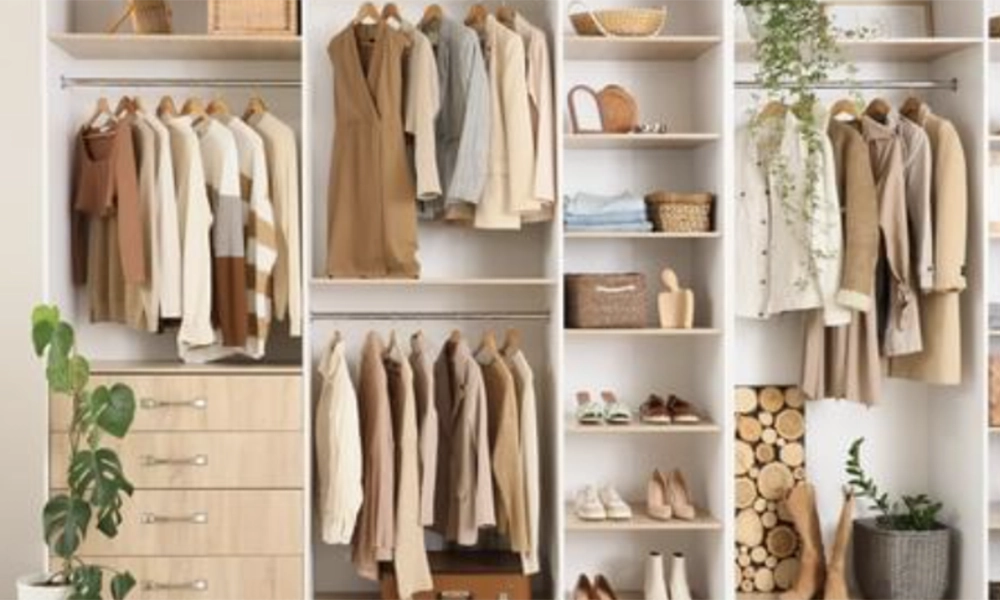
When your wardrobe is built around pieces that genuinely complement each other, mornings stop feeling like a negotiation. You just get dressed and go.
Here’s something worth sitting with: according to The Fold London’s 2025 Workwear Report, 88% of women say the right workwear boosts their confidence and creates a work-mode mindset. That’s not a small number. It tells you that what you wear genuinely influences how you show up, mentally, not just visually.
The Foundation First: What Your Wardrobe Actually Needs
Before you start mixing and matching anything, you need the right building blocks in place. And the honest truth? You need fewer of them than you think.
When it comes to women’s business professional outfits, choose European-inspired blazers, tailored pantsuits, and polished dresses that are designed specifically for professional women who want elevated style without the elevated price tag.
The Blazer You’ll Reach for Every Single Week
A well-fitted blazer is arguably the hardest-working item in any professional wardrobe. It transforms a simple dress into something boardroom-appropriate. It gives trousers a sense of authority that a cardigan just can’t replicate. Start with one classic, navy or charcoal, then build outward from there.
Trousers and Skirts That Actually Fit
Fit beats price. Every time. Trousers that hit cleanly at the ankle and sit right at the waist make even a simple outfit look considered. A tailored midi skirt in a neutral fabric earns its keep across multiple combinations with almost no effort on your part.
The Versatile Dress That Does Everything
A sleek sheath or wrap dress is one of those rare pieces that works for client presentations and creative office environments simultaneously. Zero styling effort. Maximum return. Keep at least one in rotation and thank yourself weekly.
Making Pieces Work Together, Not Just Coexist
Owning great individual pieces isn’t enough; they have to multiply your options, not just sit separately in your closet waiting for the right occasion that never quite arrives.
A 2024 survey on CapsuleWardrobeData found that the average person owns 144 clothing items and still feels perpetually underdressed. Fewer, better pieces genuinely solve this.
Neutral Colors Are Doing More Work Than You Realize
Black, white, navy, camel, grey, these aren’t boring choices. They’re strategic ones. When everything in your closet coordinates naturally, your outfit count multiplies without your wardrobe count ballooning. That’s the whole game.
Statement Pieces That Earn Their Keep
One jewel-toned blazer or a well-chosen printed blouse can completely shift the personality of a neutral outfit. But here’s the test: if that piece doesn’t pair with at least three other things you already own, it’s a decoration, not a wardrobe. Be ruthless about this.
| Piece | Outfits Created | Occasions Covered |
| Neutral blazer | 8–10+ | Meetings, travel, casual Fridays |
| Tailored trousers | 6–8 | Office, client days, presentations |
| Sheath dress | 5–6 | Presentations, dinners, interviews |
| Printed blouse | 4–5 | Creative meetings, hybrid days |
This is what intentional wardrobe building actually looks like in practice, not a huge haul, just smart selection.
Practical Tips That Make Everything Feel More Polished
Knowing what to buy is one challenge. Wearing it with quiet confidence is a different skill entirely. These aren’t complicated suggestions; they’re just the ones that consistently make a difference.
Layering Without the Bulk
Layering isn’t reserved for January. A lightweight turtleneck under a blazer, or a vest over a crisp button-down, adds dimension to an outfit without tipping into chaos. Keep layers in the same tonal family, and the whole thing reads as intentional rather than thrown together.
Accessories: Less Really Is More
A minimal watch. Stud earrings. One structured bag. That’s genuinely enough. Accessories don’t need to shout to be effective. Consistency in how you accessorize is actually what makes a whole outfit feel cohesive, like someone thoughtful put it together. Because you did.
A Wardrobe That Keeps Up as Your Career Moves Forward
Your role will change. Industries shift. The wardrobe that served you brilliantly in one position might feel slightly off in the next. Revisiting your closet every six months, not just at seasonal transitions, keeps what you own aligned with where you actually are professionally, not where you were two years ago.
Quality Over Quantity, Every Single Time
Spend real money on the pieces you reach for constantly. A quality blazer or a perfectly fitted pair of trousers will outlast ten trend items without question. Trendier pieces can absolutely have a place, as accents, never as anchors.
When to Tailor, Donate, or Let Go
If something doesn’t fit correctly, make a decision. Tailor it or release it. Clothes that don’t fit well don’t get worn, and they quietly consume space that better pieces deserve.
Frequently Asked Questions
How many pieces actually constitute a functional work wardrobe?
Most stylists land around 10–15 carefully curated items, two blazers, three bottoms, four tops, capable of generating dozens of real outfits. Cohesion matters infinitely more than volume.
How do you dress well for hybrid or remote work?
Keep a small rotation of camera-ready tops and blazers that elevate your look from the waist up. On in-office days, layer those same pieces with your trousers or skirts for a complete, polished result.
What’s the fastest way to make existing clothes feel sharper immediately?
Steam everything. Wear properly fitted pieces. Swap out worn accessories. None of these costs anything, and all three make a visible difference.
The Takeaway
Building a smarter work wardrobe isn’t about spending more or starting over from scratch. It’s about being deliberate with what earns space in your closet. Start with strong foundational pieces, choose items that genuinely coordinate with each other, and maintain the wardrobe you’ve built with consistency rather than impulse. When your closet actually works with you instead of against you, getting dressed stops being a daily negotiation, and that shift, quietly, changes everything about your mornings.
- About the Author
- Latest Posts

Our Editorial Team are writers and experts in their field. Their views and opinions may not always be the views of Wellbeing Magazine. If you are under the direction of medical supervision please speak to your doctor or therapist before following the advice and recommendations in these articles.