A Natural Ayurvedic Retreat in Sri Lanka
Harmony with nature captures my week-long Ayurveda retreat in Sri Lanka. It was a full-bodied detox rooted entirely in the natural world, drawing on herbs, plants, trees, fruits, berries, water and air in carefully prescribed ways.
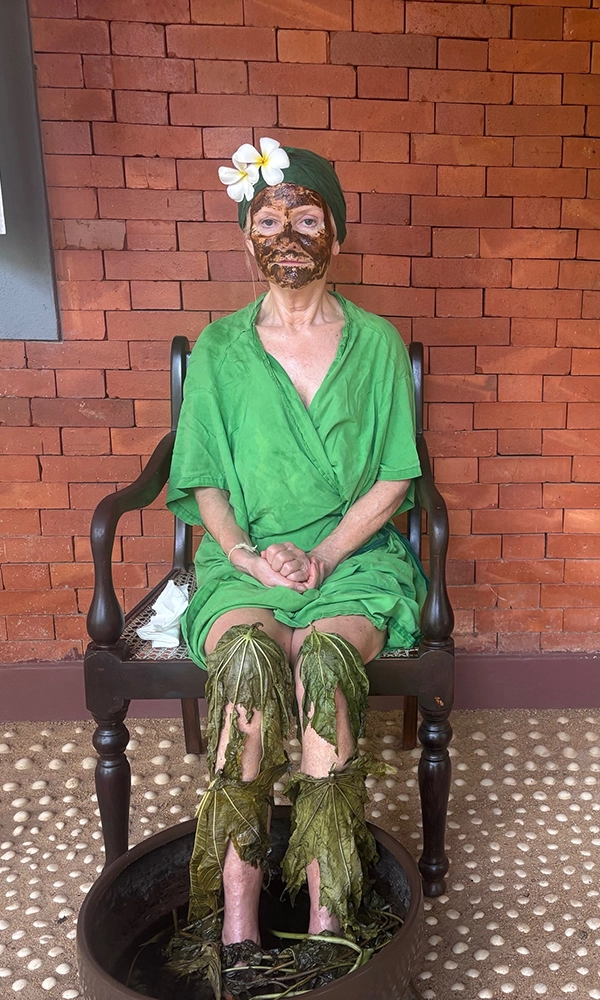
Treatments ranged from heated herbal poultices and medicated oil applications to layered pastes, aromatic inhalation and botanical soaks. No part of the body was overlooked: eyes were bathed in coconut water, the nasal passages and throat treated with oils, lungs cleared with medicinal steam and feet soaked in a warm infused leaf mixture and entwined up to my knees.
I spent seven days at the Siddhalepa Ayurveda Health Resort on Sri Lanka’s west coast, about 90 minutes from the international airport.
Understanding Your Dosha: The Ayurvedic Consultation
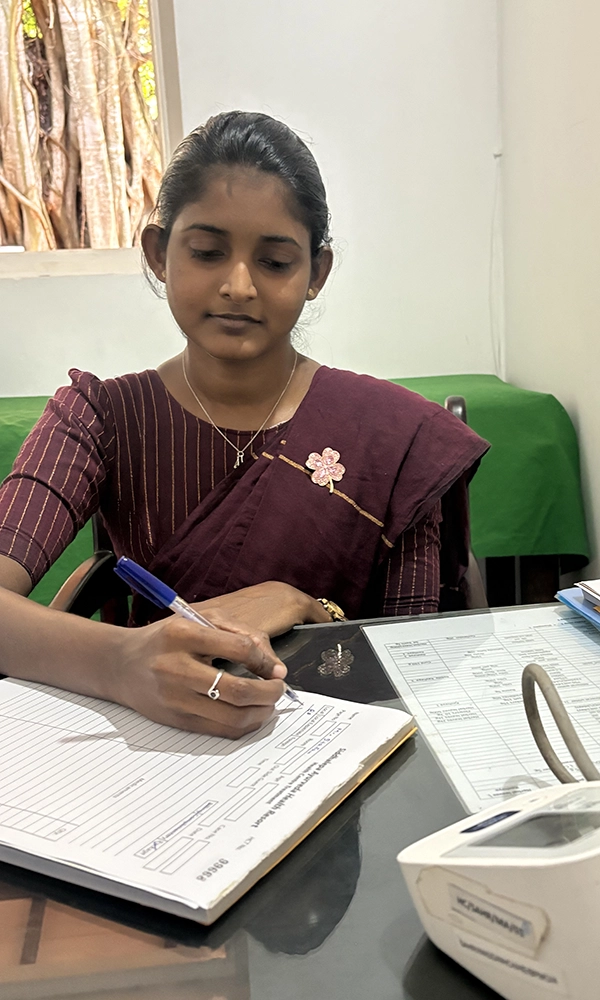
On arrival, I met with my designated doctor, Dr. K.A.Janani Sakunthala Priyadarshani, for an initial consultation to establish my dosha.
Following a detailed assessment, including questions on health and family history, alongside pulse and tongue analysis, I was diagnosed as a Vata-Pitta type.
In Ayurvedic philosophy, the doshas govern our physical, mental and emotional states. Each person has a unique ratio, though it is often out of balance. A personalised programme was created with treatments and a diet plan designed to restore equilibrium while also addressing specific concerns identified during the consultation, including bloating, skin pigmentation and stress often linked to a western lifestyle.
Traditional Ayurvedic Treatments at Siddhalepa
Mornings were dedicated to two and half hours of treatments with my assigned therapist following a brief check in with the doctor, who remained readily available throughout my stay.
Natural medicines, included with the programme, were measured to take after meals. What followed was a kaleidoscope of therapies, working externally and internally.
There were hot herbal massages to ease the stiffness in my neck and shoulders from hours working on a computer, oil rich facials enriched with bee honey to soften wrinkles and an inhalation over an old Singer rice cooker to clear congestion.
Chakradhara involved a soothing milk bath whilst steam therapy took place inside a wooden barrel to draw out toxins and improve circulation.
At one time, I sat alone in silence, my feet plunged into a warm concoction of branches and leaves, watched over by a portrait of the founders of this Ayurvedic sanctuary. It felt quietly ritualistic, a moment suspended between the past and present.
Shirodhara: Ayurveda’s Most Recognisable Therapy
Shirodara, one of Ayurveda’s classic and most recogniseable treatments, involved a steady stream of warm medicated oil poured over the third eye region of the forehead to induce deep relaxation.
After this treatment, the head covering remained for two days to prolong the benefits.
Collectively, the treatments aimed to purify, balance and restore: easing aches, supporting digestion, strengthening immunity, enhancing lymphatic drainage and encouraging a deeper sense of calm. By the end of the week, the emphasis shifted gently towards nourishment and rejuvenation.
Yoga, Meditation and Holistic Wellbeing
Yoga in an open-air pavilion overlooking the ocean marked both the start and close of each day, greeting the sunrise and easing it out again in the early evening.
Beyond the mat, the programme unfolded gently: a meditation session, a temple visit, a tour of the resort’s medicinal gardens and its Ayurvedic herbal products factory, along with demonstrations of oil-making and the chance to sample herbal elixirs.
The resort itself balances clinical purpose with tropical calm.
This is not luxury in the conventional, polished sense, but it lies in the quality and privilege of deeply personalised care, where both body and mind are steadily cleansed and restored.
This is a grounding, earthy experience. There are no chandeliers, but instead a sense of being drawn into a family: a knowledgeable doctor on hand, a dedicated therapist who guides you through each treatment with intuitive care, often quite literally holding your hand.
This attentive, highly individualised approach is the defining hallmark of the resort, where treatments and herbal remedies are continuously adapted to your body’s responses and evolving needs.
Ayurvedic Nutrition and Healing Foods
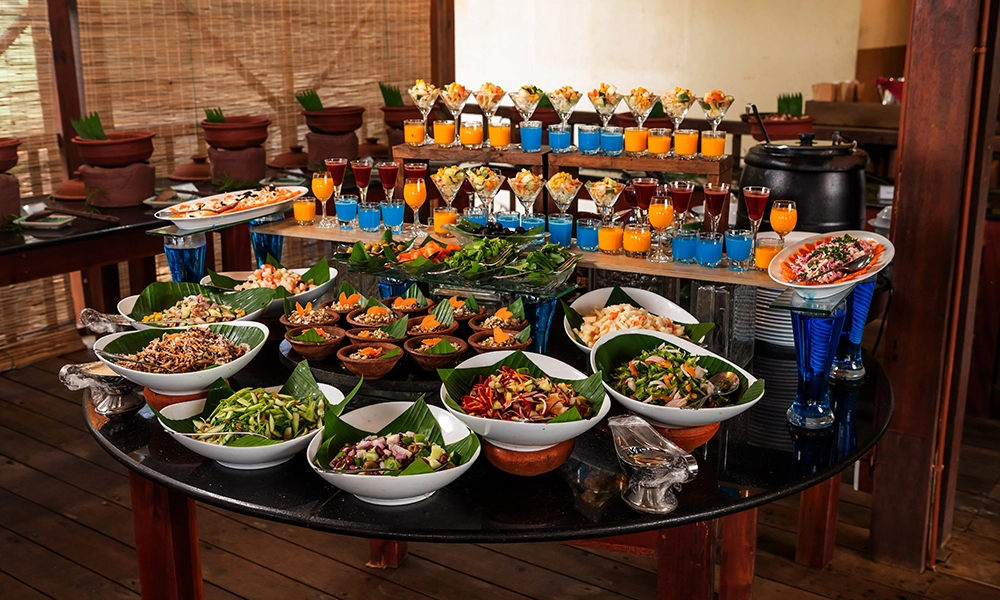
Food was an integral part of the programme, guided by Ayurvedic nutritional principles.
I ate simply on warm, nourishing dishes, no red meat, but fresh white fish, cooked vegetables and carefully selected fruits.
Meals were served buffet-style, with each dish labelled, and a doctor on hand to guide choices according to individual needs.
Beetroot Calypso was recommended to purify the blood and support the skin, Kakira for cleansing the urinary tract, Banana Blossom to boost haemoglobin and aid digestion and Wing Bean Curry, rich in plant protein.
Herbal teas were encouraged and warm water ever available.
Ayurvedic Programmes and Length of Stay
Programmes vary in length and intensity, from shorter, flexible stays to more immersive commitments.
Popular options include stress release and detoxification from seven nights, more comprehensive detox and weight-loss programmes from 14 nights, and longer 21-night stays focused on rejuvenation, anti-ageing or the more rigorous Panchakarma cleanse.
Each is prescribed only after an in-depth consultation, ensuring treatments respond to individual conditions rather than a fixed template.
Ayurveda as a Medical System
While many come for relaxation, the resort operates as a fully-fledged Ayurvedic medical centre.
Under the supervision of experienced doctors, it offers treatment for a wide range of conditions, from musculoskeletal issues such as arthritis to neurological disorders, digestive imbalances and stress-related or psychological concerns.
Ayurveda here is not a spa trend but a living medical system.
Accommodation at Siddhalepa Ayurveda Health Resort
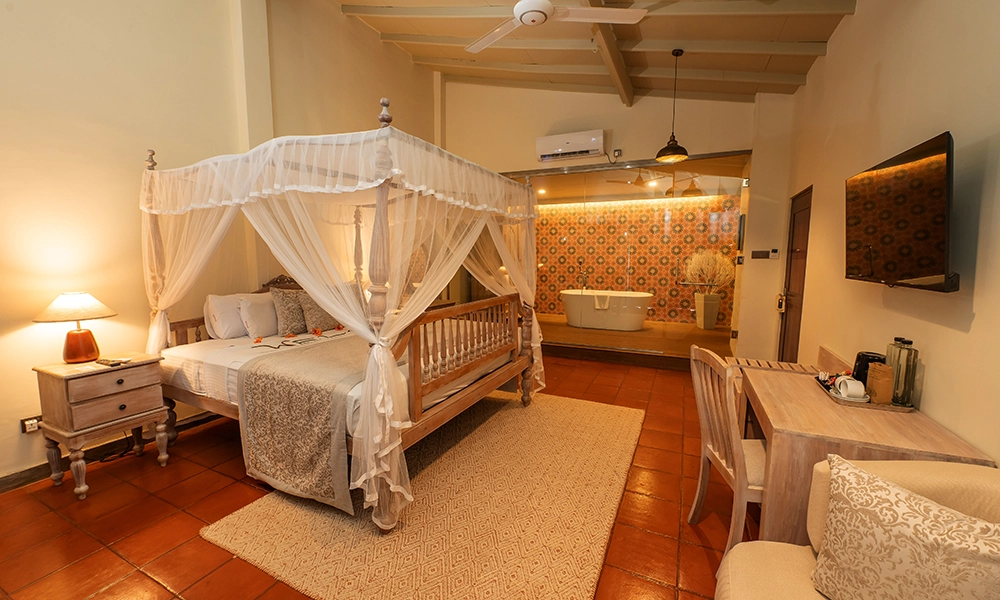
My suite offered a balance of comfort and unpretentious elegance.
Local design was offset by thoughtful touches including a small indoor garden corner lit with a spotlight which became my corner of calm.
The modern bathroom, set on two levels, staged a generous bathtub and a separate shower.
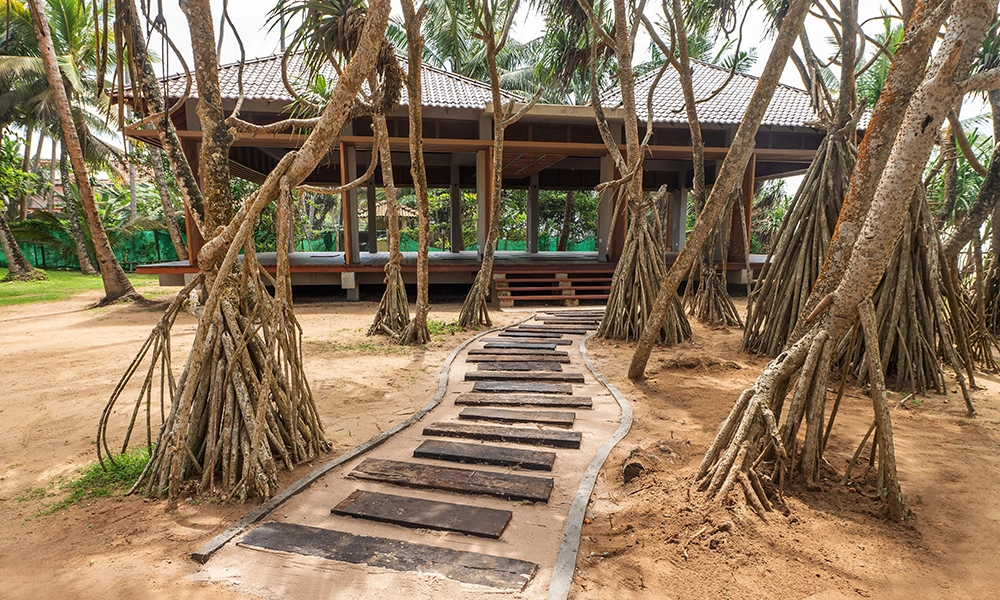
From the bedroom, doors opened onto a garden patio leading to a stretch of lawn with only a simple fence between me and the sea beyond.
Wildlife provided theatre. High in the trees monkeys provided trapeze acts and on the ground peacocks flaunted their colours.
Threading through it all, the occasional passing train along the nearby track served as a gentler reminder that, despite the sense of seclusion, the rhythms of everyday Sri Lankan life were never far away.
What Is Ayurveda?
At its core, Ayurveda is a science of life, rooted in the idea that health depends on balance between mind, body and spirit.
Based on the five elements — earth, water, fire, air and space — it works through three governing forces, or doshas: Vata, Pitta and Kapha.
When these drift out of sync, physical and emotional imbalances begin to surface.
Both preventive and curative, Ayurveda is less about quick fixes and more about restoring a sustainable way of living.
Ayurveda in Sri Lanka: A Living Tradition
While its origins lie in ancient India, in the Vedic texts, Ayurveda in Sri Lanka has evolved into something more layered.
Here, it is interwoven with Deshiya Chikitsa, the island’s indigenous healing system, creating a practice shaped by local herbs, traditional village medicine and generations of inherited knowledge.
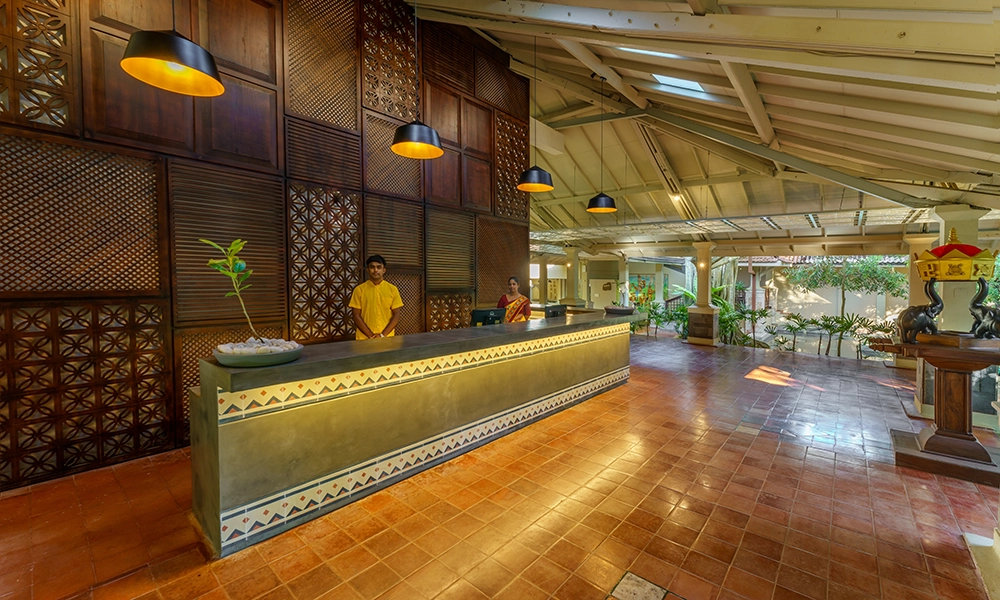
This lineage is evident at Siddhalepa Ayurveda Health Resort.
What began as a single herbal balm has grown into a 200-year-old family legacy spanning six generations of Ayurvedic physicians.
The resort operates alongside its own Ayurveda hospital and pharmacy, with an in-house training academy and exchange programme, ensuring consistency in both treatment and expertise.
Why More UK Travellers Are Turning to Ayurveda
During my stay, my doctor told me that many of her patients from the UK arrive with a similar set of concerns: back, neck and joint pain from sedentary work, digestive issues such as bloating and IBS, persistent skin conditions, and increasingly, stress in its many forms, from poor sleep to burnout.
“We see a pattern,” she explained, “lifestyle-related imbalances that build up over time. Treatment is not only about relief, but about resetting those patterns altogether.”
This growing demand is reflected in Siddhalepa’s partnership with Ayurveda Medical UK, an initiative designed to bridge ancient wisdom with modern support.
Connecting UK clients with structured wellbeing programmes in Sri Lanka, it combines traditional Ayurvedic therapies with nutrition and lifestyle guidance alongside clear screening, coordination and follow-up.
The collaboration is led by a team of specialists with decades of experience, working closely to align authentic practice with contemporary expectations.
As director Dr Roshan Jayalath explains, “the aim is to unite traditional knowledge with modern insight, ensuring a more structured, supported approach to holistic care.”
With interest in Ayurveda continuing to rise in the UK, driven by a shift towards more natural, preventative health, this model offers something more enduring than a one-off retreat.
It reframes the experience as an ongoing health journey, one that extends well beyond time spent in Sri Lanka.
Written By: Jane Wilson
DISCOVER:
- About the Author
- Latest Posts

Our Editorial Team are writers and experts in their field. Their views and opinions may not always be the views of Wellbeing Magazine. If you are under the direction of medical supervision please speak to your doctor or therapist before following the advice and recommendations in these articles.