Chronic knee pain is often viewed as a physical problem that makes walking, climbing stairs, or exercising more difficult. While these challenges are significant, the effects of ongoing knee discomfort extend far beyond movement. People searching for information from a knee pain doctor can learn about treatment options, underlying causes, and ways to manage persistent symptoms before they begin affecting multiple aspects of daily life. As knee pain becomes a long-term issue, it can influence mental health, sleep quality, social interactions, and overall well-being.
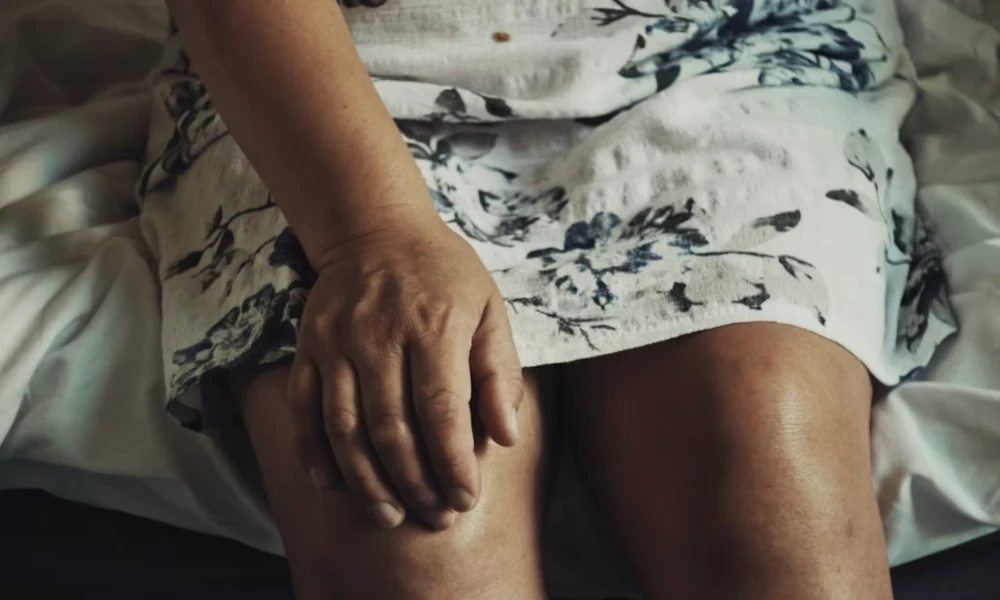
https://unsplash.com/photos/a-woman-sitting-on-a-bed-with-her-legs-crossed-dzhlKUgyI3M
The Impact on Daily Activities
Many people with chronic knee pain gradually adjust their routines to avoid discomfort. Activities that once felt simple, such as grocery shopping, gardening, or taking a walk around the neighborhood, may become physically demanding. Over time, these adjustments can limit independence and reduce participation in everyday life.
The challenge is that avoiding movement often creates additional problems. Reduced activity can lead to muscle weakness, joint stiffness, and decreased flexibility, making it even harder to perform routine tasks. This cycle can cause knee pain to feel increasingly restrictive as time goes on.
How Knee Pain Affects Mental Well-Being
Living with constant pain can place a significant emotional burden on individuals. When discomfort is present every day, it can become difficult to maintain a positive outlook or fully enjoy activities that once brought happiness and fulfillment.
Frustration is common among people dealing with chronic knee problems. The inability to participate in favorite hobbies, recreational activities, or family events may contribute to feelings of stress, anxiety, or discouragement. Over time, the emotional effects of chronic pain can become nearly as challenging as the physical symptoms themselves.
Sleep Disruptions and Fatigue
Quality sleep plays an important role in physical recovery and overall health. Unfortunately, chronic knee pain often interferes with restful sleep, particularly when certain sleeping positions place pressure on the affected joint.
When sleep becomes disrupted on a regular basis, fatigue can begin affecting daily performance. Individuals may experience reduced concentration, lower energy levels, and increased irritability. The combination of poor sleep and chronic pain can create a cycle that becomes difficult to break without proper management.
The Social Consequences of Persistent Pain
Many social activities involve standing, walking, or remaining active for extended periods. For someone with chronic knee pain, these situations may become uncomfortable or intimidating. As a result, some individuals begin declining invitations or limiting participation in social events.
Over time, reduced social engagement can lead to feelings of isolation. Friends and family may not fully understand the extent of the discomfort, making it difficult for those experiencing chronic pain to communicate their struggles. Maintaining social connections remains important for emotional health, even when physical limitations exist.
Physical Health Beyond the Knee Joint
The effects of chronic knee pain are not always limited to the knee itself. To reduce discomfort, people often change the way they walk, stand, or move. These altered movement patterns can place additional stress on other areas of the body.
As compensation develops, discomfort may begin appearing in the hips, lower back, or opposite knee. What starts as a localized problem can eventually contribute to broader musculoskeletal issues. Addressing knee pain early may help reduce the risk of secondary complications.
Reduced Activity and Overall Health
Physical activity supports cardiovascular health, weight management, and overall wellness. When chronic knee pain discourages regular movement, these benefits may become more difficult to maintain. Even simple forms of exercise can feel overwhelming when every step causes discomfort.
A decrease in physical activity can contribute to weight gain and reduced fitness levels. Excess weight may place additional stress on the knee joint, creating a cycle where pain limits movement and reduced movement worsens pain. Finding safe and sustainable ways to remain active is often an important part of long-term health management.
Why Early Attention Matters
Many people assume knee pain is simply a normal part of aging and delay seeking help. While occasional discomfort can occur for various reasons, persistent pain should not be ignored. Identifying the cause early may allow for more effective treatment and improved outcomes.
Healthcare professionals can evaluate symptoms, determine contributing factors, and recommend personalized treatment approaches. Early intervention may help preserve mobility, reduce discomfort, and prevent the condition from having a greater impact on overall quality of life.
Conclusion
Chronic knee pain affects far more than a person’s ability to move comfortably. It can influence emotional health, sleep quality, social relationships, physical fitness, and overall well-being. Recognizing these broader effects highlights the importance of addressing persistent symptoms rather than simply adapting to them. With appropriate evaluation and treatment, many individuals can improve their quality of life, maintain their independence, and continue participating in the activities that matter most.
- About the Author
- Latest Posts

Our Editorial Team are writers and experts in their field. Their views and opinions may not always be the views of Wellbeing Magazine. If you are under the direction of medical supervision please speak to your doctor or therapist before following the advice and recommendations in these articles.