Open areas offer a blank canvas for design. Setting boundaries without physical blockades makes an area feel intentional. Big green installations alter the flow of an environment. They direct foot traffic, establish personal boundaries, and create welcoming entryways. Strategic design transforms plain stone patios into multi-functional zones.
Defining Walkways and Directing Foot Traffic
Large open areas often lack direction. Visitors roam aimlessly without visual cues. Arranging planters in a row creates clear corridors for movement. A series of strategically positioned planters can be used to divide spaces, create walkways, and control traffic flow. This setup keeps guests moving along designated paths.
Placing tree planters and pots helps map out the natural progression of an area. Paths become obvious when flanked by tall greenery. This approach prevents crowding in specific zones. It establishes an intuitive layout that guides foot traffic naturally.
Designing Dual-Purpose Seating Arrangements
Furniture takes up space. Greenery takes up space. Combining the two ideas saves room. Instead of allocating separate areas for furniture and greenery, multifunctional units achieve both within a single element. This design trick works well on smaller patios.
Built-in benches attached to large containers create cozy gathering spots. These setups serve two purposes at once. Guests get a place to rest, and the area benefits from natural shade.
- Modular units combine bench seating with deep planting wells.
- Heavy basins act as structural backrests for outdoor couches.
- Low perimeter boxes double as casual ledger seating for crowds.
Creating Intentional Zones Without Walls
Permanent brick barriers shrink an area. They block light and views. In open yards or patios, planters act as subtle dividers, guiding movement and creating intentional zones without building permanent walls. You can separate a dining space from a lounge space effortlessly.
Shifting these containers allows for quick layout updates. If you need a larger party space, you just roll the units aside. This flexibility keeps the environment versatile. It provides structure without the high cost of remodeling.
Framing Entrances and Welcoming Guests
First impressions matter. The approach to a doorway sets the tone for the entire property. A pair beside the front door frames the entrance. This symmetrical placement draws the eye toward the main access point.
Planters along a patio edge signal where the outdoor living area begins. It acts as a psychological threshold. Visitors instantly understand they are entering a new, distinct zone.
Symmetrical Balance
Symmetry provides immediate visual comfort. Matching containers on both sides of a path create a formal look. It mimics classical architectural design using organic elements.
Transition Zones
The space between an indoor room and an outdoor deck needs a buffer. Large pots soften the hard lines of sliding glass doors. They ease the visual jump from inside to outside.
Blocking Unwanted Views for Privacy
Neighbors live close by. Street traffic distracts from relaxation. Using oversized tall rectangular planters, you can create interest on an otherwise boring wall. You can also use them to create privacy from a neighboring yard.
Thick bamboo or tall grasses block nosy onlookers. This natural screen feels less aggressive than a tall wooden fence. It dampens street noise while filtering sunlight. The result is a secluded retreat that still feels open to the sky.
Maximizing Limited Space with Vertical Growth
Small balconies require smart planning. Floor space is limited. The use of sustainable and visually appealing elements, such as raised black wrought iron planters, wicker pots, and vertical gardening structures, not only allows herbs, vegetables, and fruits to be grown in limited spaces but also infuses style and elegance into these areas.
- Hanging baskets draw the eyes upward to make spaces feel taller.
- Tiered stands hold multiple small pots on a tiny footprint.
- Wall-mounted pockets turn bare stucco into living art pieces.
Growing upward leaves the floor clear for chairs and tables. It proves that small square footage cannot stop a garden plan. You get the benefits of a lush garden without tripping over pots.
Choosing Material Textures for Visual Anchors
The look of a container alters the mood of an area. Driven by climate awareness and long-term durability, weather-resistant planters made from recycled composites and advanced hand-glazed ceramics are setting the tone for modern garden design. These items anchor the eyes.
With handmade ceramic planters taking over right now, the ones with genuine, crafted textures are the real winners. Rough surfaces contrast nicely with smooth concrete patios. They add depth to plain walls.
Recycled Composites
Modern engineering delivers tough materials. Recycled options handle intense frost and heat waves without cracking. They offer a clean look that matches industrial architecture.
Glazed Ceramics
Bright glazes reflect light into dark corners. A pop of color changes the energy of a stone courtyard. These pieces function as outdoor sculptures even during winter months.
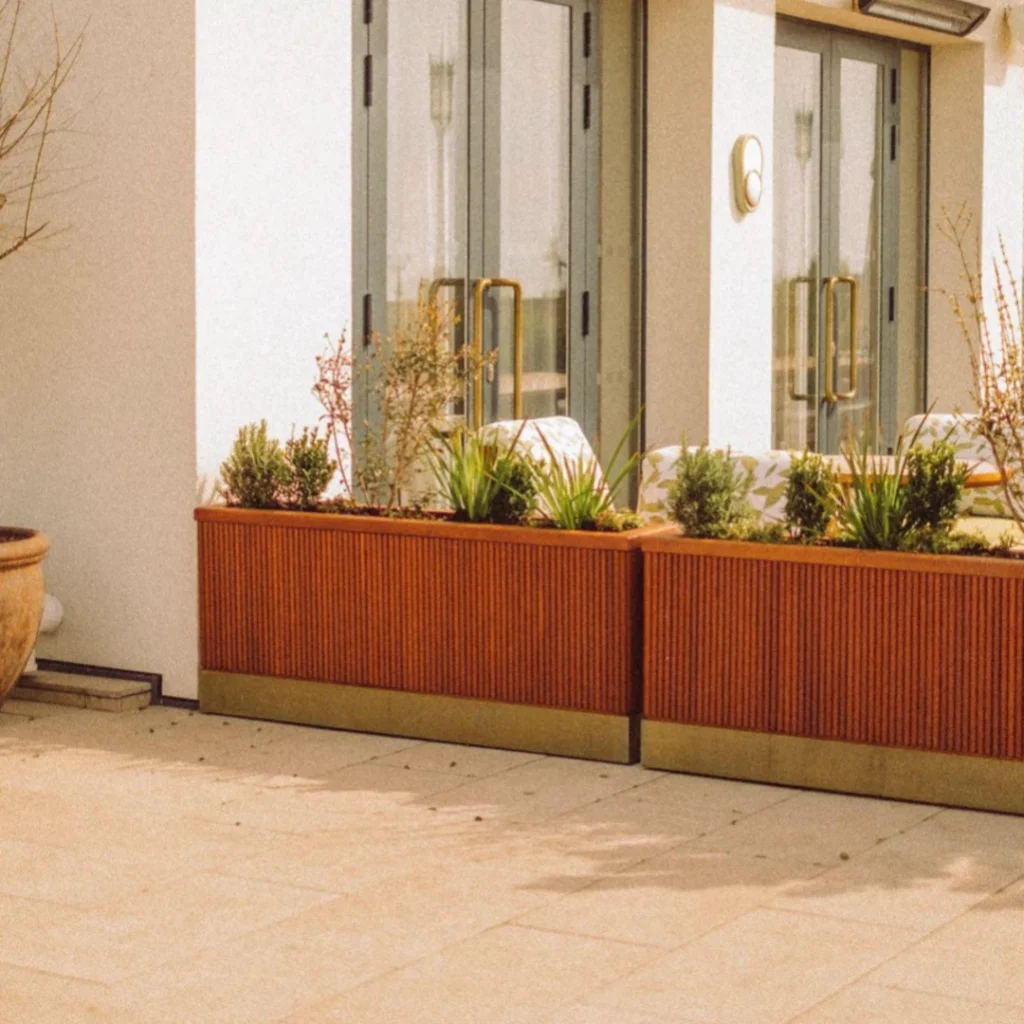
Careful placement changes how people interact with an environment. Containers provide the structure needed to make wide open zones usable. They balance beauty with daily utility. A well-planned layout turns any basic yard into a collection of welcoming rooms.
- About the Author
- Latest Posts

Our Editorial Team are writers and experts in their field. Their views and opinions may not always be the views of Wellbeing Magazine. If you are under the direction of medical supervision please speak to your doctor or therapist before following the advice and recommendations in these articles.