What Cell Death Can Teach Us About Health, Aging, and Disease Prevention
Learn how cell death mechanisms are changing views on stopping illnesses before they start.
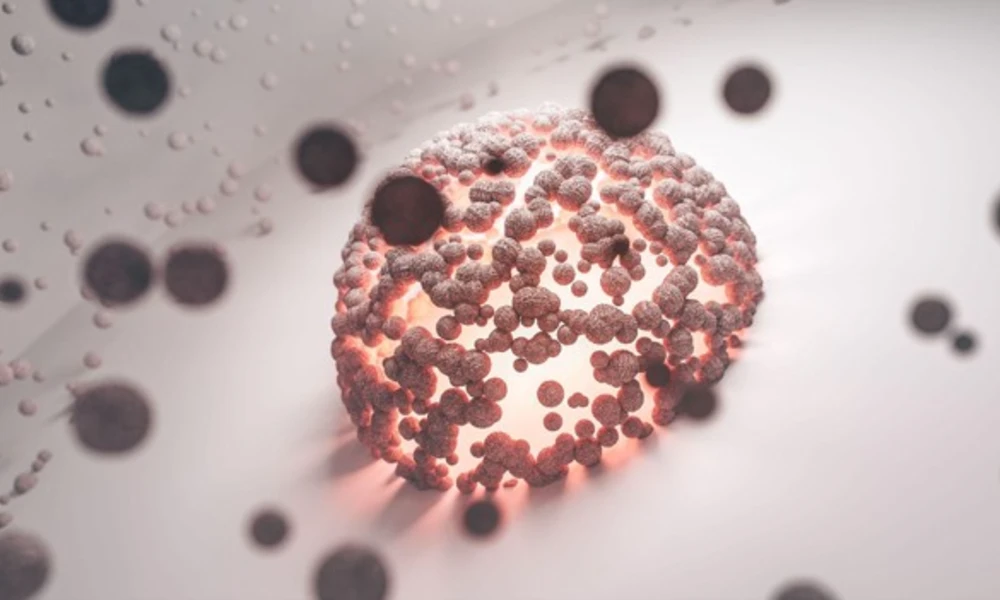
Many of the biggest discoveries in aging research have come from looking at cells that die rather than cells that survive. And what happens when those decisions go wrong.
That idea cuts across disciplines. Cancer biologists encounter it. Neuroscientists do too. So do researchers studying metabolism and age-related disease.
The view has sharpened considerably in recent years as experimental tools have exposed details that were once difficult to observe. Ferroptosis is one example. Since its identification, it has provided researchers with a new framework for examining how aging influences cells and why some pathological processes unfold the way they do.
Why Cell Death Is Essential for Health
If a headline mentions cell death, most people assume something has gone wrong. Yet healthy tissues depend on regulated cell death all the time. Even parts of the immune system operate through cycles of rapid cell production and removal.
That's why researchers sometimes describe the body as a collection of maintenance systems. Cells repair proteins, monitor damage, and remove things that no longer function correctly. This helps preserve the health of surrounding tissues. The key is balance. Tissues depend on a continual process of cell renewal and removal.
But a surprising amount of aging research eventually circles back to the accumulation of damaged cells. Those cells can alter their surroundings, influence immune activity, and contribute to the chronic inflammatory states that appear across a wide range of age-related disorders.
That reality is driving efforts to understand the molecular decisions that determine whether cells remain, recover, or are removed altogether.
Understanding Ferroptosis
Ferroptosis centers on what happens when iron-dependent chemical reactions begin breaking apart fats embedded within cellular membranes.
The process begins when iron-dependent reactions generate free radicals that overwhelm local defenses. As oxidative stress intensifies, membrane lipids become a primary target. At first, cells attempt to contain the damage. But once membrane deterioration reaches a certain point, survival is no longer possible.
The biology has attracted attention across multiple research areas. Studies have reported links to cancer, neurodegenerative disease, cardiovascular pathology, and the biological processes associated with aging. Current discussion especially focuses on susceptibility. Certain cells appear unusually vulnerable, while others remain comparatively resistant under similar conditions.
What Ferroptosis Can Teach Us About Aging
With advancing years, cellular function encounters ongoing strain due to metabolic activity, outside influences, pathogens, or routine deterioration. A significant portion of this strain arises through processes involving oxidation.
Few would argue that oxidation plays a role in growing older. Yet studies on ferroptosis now show just when some cells stop bouncing back. Illuminating where harm becomes irreversible.
But getting older isn’t just about cells vanishing too fast. In some cases, the reverse happens instead. When injured cells stick around past their needed time, they may drive chronic inflammation and disrupt normal tissue function.
Too much of either state brings problems. When cells survive too long, damaged ones may build up. Tissues lose strength if too many cells die off. Organ performance then declines gradually.
What keeps aging steady lies in how well cells are managed. Repair decisions guide whether a cell lives or gets cleared out. When maintenance fails, problems follow. Choices made at the microscopic level shape long-term health.
What stands out is the body’s built-in ability to fix itself. Inside cells, layers of defense, like antioxidants and monitoring processes, work to preserve stability when challenged. Studies on ferroptosis are revealing exactly how these safeguards hold up, yet also exposing moments they fail.
How Scientists Study Ferroptosis
Most insights into ferroptosis stem from lab work with tightly regulated systems.
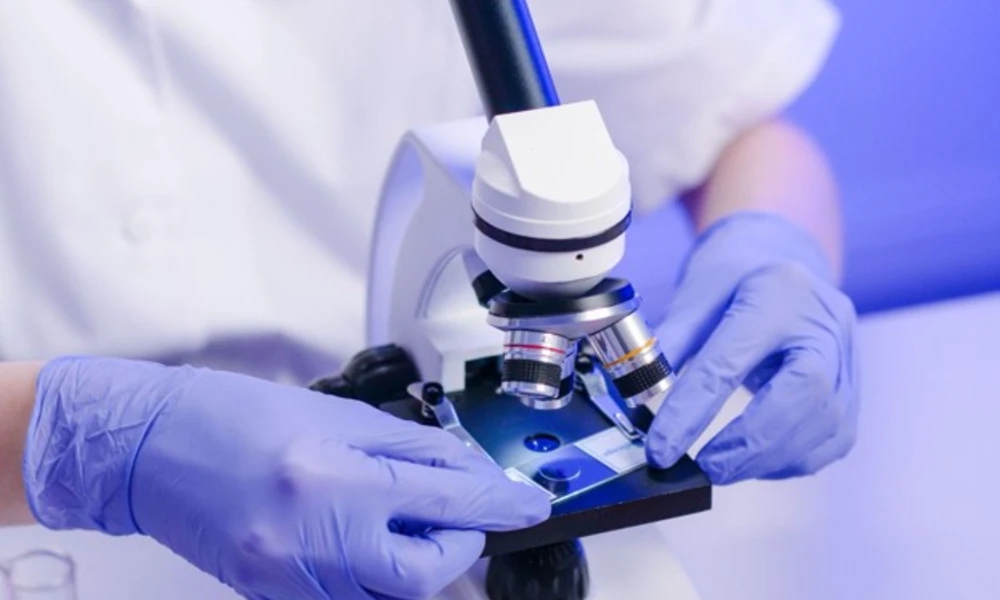
Looking at cell behavior in controlled settings, researchers rely on certain chemicals to spark ferroptosis. A common choice among labs is Imidazole Ketone Erastin, useful for probing how oxidation and fat molecule injury lead to this form of death.
Though small in size, such tools open doors into complex biological breakdowns. Understanding these pathways becomes clearer when disruption happens on purpose, under a microscope. With each experiment, patterns emerge about why some cells succumb while others resist.
Looking into the start of ferroptosis covers just one angle. Research pushes further into methods that block its progression. Compounds such as Fer-1 allow researchers to interrupt ferroptotic processes and examine what happens when cells receive additional protection against oxidative damage.
Researchers conducting this work commonly obtain specialized compounds through suppliers such as Selleck Australia, which provides research materials used in cellular and molecular biology laboratories.
Most of these tools serve research, not patient care. Yet through them, scientists explore what happens when cells face disruptions. One finding builds on another, slowly clarifying the line between normal function and illness.
What This Means for Disease Prevention
Looking ahead, scientists now track illness long before signs appear. Because of this, studies at the cell level are gaining ground. It is tiny biological details that reveal early warnings. Even so, progress depends heavily on microscopic clues hidden in tissue activity.
Early detection of biological shifts could lead to timelier medical responses. When cells break down in specific ways, clues emerge long before symptoms appear. Because these patterns reveal underlying issues, monitoring them might shift how care is delivered. Progress in understanding cellular decay also opens paths to prevention. One day, spotting danger signs at microscopic levels may become routine.
The Future of Cellular Health Research
Looking at how cells die reshapes views on health. Before symptoms appear, subtle changes occur within the body. Scientists are now tracking these shifts closely. Rather than waiting, attention turns to what unfolds beneath the surface, earlier in the process.
With progress in studying ferroptosis, patterns connecting tissue injury, age-related decline, and disease begin to surface. Because insights grow sharper, one day, medical strategies may mirror genetic blueprints. Clues hidden in cellular stress responses now guide that possibility.
Though gaps persist, there is still progress. With every result uncovered, scientists edge nearer to grasping how cell function shapes long-term health across a lifetime.
Conclusion
Cell death plays a key role in preserving tissue health. While often overlooked, its contribution to balance within the body remains vital.
Among recent scientific advances, attention has turned toward ferroptosis, revealing clues about cell behavior under pressure. While studies progress, links between aging processes and tissue deterioration are coming into sharper view. Because of this, understanding illness onset through a cellular lens grows more precise.
Though still emerging, the work highlights how longevity and wellness might depend on microscopic events. With each finding, earlier assumptions about degeneration continue to face reevaluation.
Filed underCancer, Injury & recovery