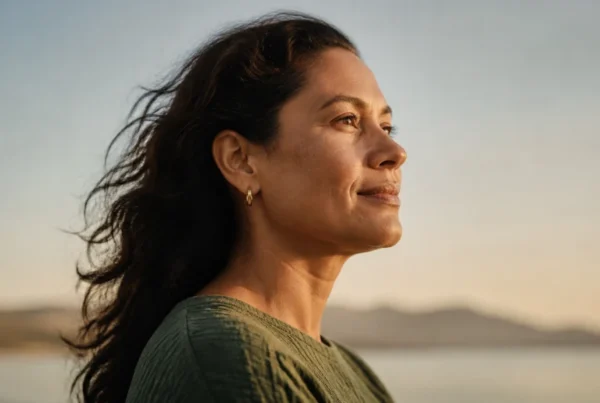
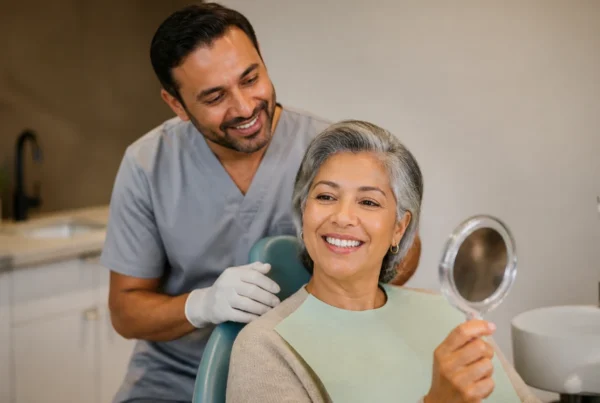
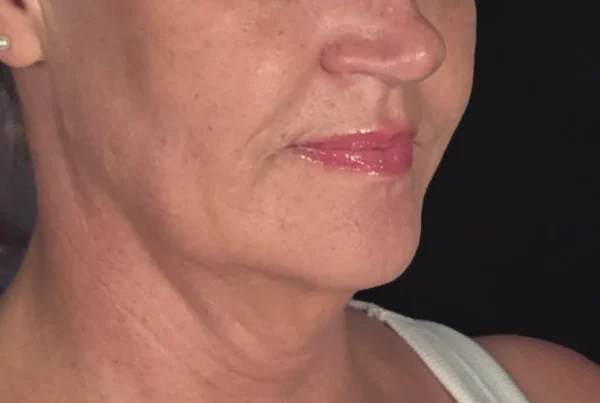
Something is changing in how people think about beauty. The era of visible intervention is quietly giving way to something more considered. Patients are walking into clinics and asking for less rather than more. They are asking to look like themselves rather than to look like a filtered version of themselves. They are asking for treatments that work with their face rather than over it. This shift toward natural-looking aesthetics is not a trend in the fleeting sense of the word. It represents a genuine philosophical reorientation in how people relate to their appearance and to the idea of aging.
What the Slow Beauty Mindset Actually Means
The slow beauty philosophy borrows its framework from the same impulse that gave us slow food and slow living. It is a rejection of the idea that more is better and faster is smarter. In an aesthetic context it means choosing treatments that enhance rather than overhaul. It means working with a practitioner whose goal is to preserve what is uniquely yours rather than to standardize your face toward some idealized template. It means prioritizing skin health as a foundation rather than reaching for cosmetic fixes on top of a neglected base. It means being willing to take a longer view rather than chasing dramatic results that may not serve you a year or five years from now.
The Problem With the Maximalist Approach
The overcorrected aesthetic that became associated with certain eras of cosmetic work has done real harm to how people perceive aesthetic medicine broadly. When people imagine filler they often picture lips that no longer move naturally or cheeks that have been overfilled to the point of distortion. When they imagine Botox they picture foreheads that cannot express surprise. These are the results of a maximalist approach applied without restraint. They are not what aesthetic medicine looks like when it is practiced thoughtfully. But the association persists and it has understandably made a lot of people cautious about pursuing any treatment at all. The slow beauty movement is in part a response to this overcorrection and a reclaiming of what aesthetic medicine can be when it is done with intention.
What Natural-Looking Results Actually Require
Achieving natural-looking aesthetics is paradoxically more demanding than achieving obvious results. It requires a practitioner with a highly developed eye and the technical skill to use that eye precisely. It requires understanding not just where to inject but where not to inject. It requires knowing when to stop. It also requires a patient who is clear about what they want and who has chosen their practitioner based on a demonstrated track record of subtle restrained work rather than simply on availability or price. The consultation is where this alignment gets established. A practitioner who leads with what they can add rather than with what would serve your specific face is not operating within the slow beauty framework.
The Naturopathic Dimension
One of the most interesting developments in the slow beauty space is the growing integration of naturopathic medicine with aesthetic practice. The premise is straightforward: you cannot place cosmetic treatments on top of a body that is nutritionally depleted or hormonally imbalanced and expect optimal results. The skin reflects what is happening internally. Addressing underlying health factors alongside external treatments produces results that are not only more natural-looking but more durable. A naturopathic approach might examine gut health sleep quality stress hormones and nutritional gaps as part of a comprehensive aesthetic consultation. The treatments that follow from this kind of assessment are more calibrated and the outcomes are more genuinely integrated with how the person actually lives.
Less Over Time Is More
One of the most counterintuitive things about the slow beauty approach is how much it saves in the long run. Patients who start earlier with lighter maintenance treatments tend to need less intervention over time. The face that has been gently supported through small consistent treatments looks more naturally youthful than one that has been left entirely alone and then treated aggressively to address years of accumulated change. This is the compounding logic of slow beauty. Small thoughtful investments made over time add up to a face that ages gracefully and distinctly rather than one that lurches between neglect and correction.
Choosing the Right Partner in This Process
The slow beauty mindset requires a different kind of practitioner relationship. You are not looking for someone who will execute your requests without question. You are looking for a collaborator whose aesthetic judgment you trust and whose approach to your face will be protective rather than additive by default. Ask to see their work over time rather than just their best results. Look for practitioners who are comfortable saying that a treatment is not right for you right now. Look for clinics that integrate health and aesthetics rather than treating them as unrelated concerns. The goal is not to look younger in a way that is obvious. The goal is to look like you but in a way that makes people feel like something is very right without being able to put their finger on exactly what it is. That is what genuine natural-looking aesthetics looks like in practice and it is worth seeking out.
- About the Author
- Latest Posts

Our Editorial Team are writers and experts in their field. Their views and opinions may not always be the views of Wellbeing Magazine. If you are under the direction of medical supervision please speak to your doctor or therapist before following the advice and recommendations in these articles.