A house stands as your largest single investment, and the roof overhead acts as the primary defense keeping that asset secure. Neglecting the structure opens the door to severe water penetration, structural rot, and massive financial stress.
Taking a proactive approach to property upkeep preserves market value and provides daily peace of mind. Making smart upgrades protects everything beneath your ceiling.
The Financial Reality of Long-Term Upkeep
Ignoring a structure until water drips through the ceiling creates massive financial issues. Minor leaks quickly turn into structural wood rot, ruining insulation and fostering toxic mold growth.
Catching material degradation early prevents these small problems from spiraling into multi-thousand-dollar remediation headaches. Property owners must view proactive spending as a protective shield against unpredictable emergency repair bills.
Budgeting for regular maintenance protects your bank account from sudden economic shocks. Setting aside small amounts for annual inspections helps mitigate the risk of premature structural failure. Neglecting basic care means paying 3 times the price when a full emergency replacement becomes mandatory. Keeping detailed records of all completed work helps sustain the resale market value of your property.
Professional Inspection Standards
Hiring qualified crews changes the trajectory of any major renovation project. Partnering with certified residential roofing experts guarantees the installation meets strict building codes. Experienced teams understand regional weather hazards and secure the correct local permits before striking the first hammer. Shortcuts taken during the initial construction phase lead to premature product failures and voided warranties.
Vetting your local contracting team requires checking specific legal documentation. Homeowners need to verify active liability insurance and state workers’ compensation certificates before signing agreements.
Demanding a detailed, itemized written estimate prevents unexpected hidden fees when the final bill arrives. True professionals provide transparent timelines and offer clear communication throughout the construction process.
Spotting Signs Of Material Wear Early
A decaying structure provides clear indicators before total structural failure occurs. Curled, cracked, or missing shingles mean the outer layers have reached the end of their operational lifespan.
Check your gutters for dark, sandy granules, which indicate the protective outer coating is actively washing away. Interior warning signs include peeling paint near ceilings and unexplained dark water spots on upper drywall surfaces.
Extensive moisture penetration often remains hidden behind walls until significant damage happens. Peeking into your attic space with a flashlight reveals sagging roof decks or daylight shining through boards. Musty odors in upper rooms point directly to trapped moisture within the insulation layers. Addressing these minor indicators saves thousands of dollars in emergency structural repairs.
Choosing Long-Lasting Materials
The right material choices balance your budget limitations with the climate demands of your geographic region.
A recent industry guide mentioned that asphalt shingles remain the most widely used roofing material because they offer reliable protection at a practical price. Homeowners seeking greater longevity look toward heavy alternative options that withstand harsher seasonal elements without cracking.
Different materials offer varying operational lifespans depending on your local climate. An online update noted that an asphalt shingle roof should last for up to 30 years, while a wooden shake one can typically also survive the same amount of time with good maintenance. Selecting the correct upgrade involves evaluating local wind speeds, average snowfall totals, and summer sun exposure.
- Asphalt shingles deliver cost-effective performance for budget-conscious upgrade projects.
- Wood shakes provide a traditional aesthetic but require consistent clearing schedules.
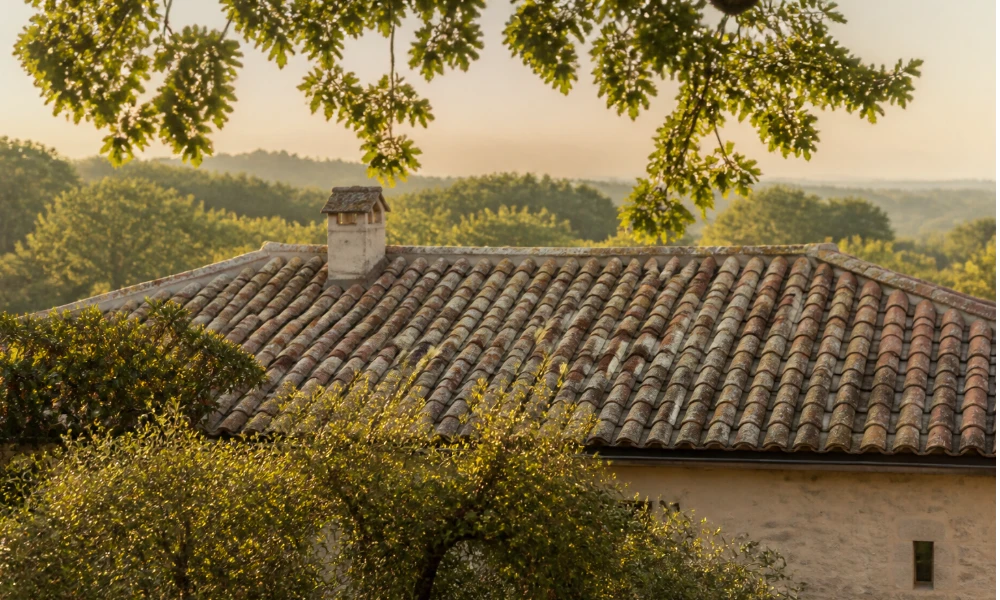
- Clay tiles offer exceptional fire resistance for hot, arid geographic regions.
- Metal panels reflect solar heat and reduce cooling burdens during summer temperature peaks.
Navigating Structural Warranties
Securing your investment requires understanding the legal protections backing up your new material installation. A consumer advisory noted that many roofing contractors provide warranties for their work to cover installation errors. Homeowners must distinguish between the manufacturer’s coverage on the material and the workmanship warranty provided by the local installer.
Vague terms in a contract lead to major misunderstandings when a leak occurs years later. Property owners should secure every single verbal promise in writing with explicit signatures from authorized representatives.
Reviewing the fine print reveals whether future transfer options exist if you sell the property. Avoid firms that refuse to provide clear, written documentation regarding their post-installation service policies.
Winter Weather Hazards
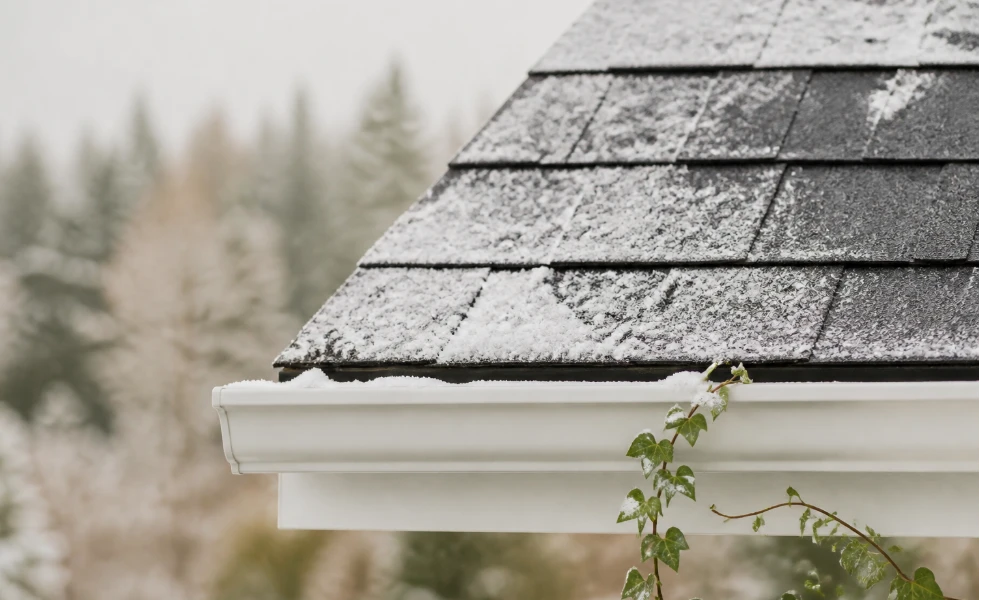
Freezing temperatures present unique structural challenges that accelerate material breakdown and cause sudden internal leaks. Ice dams form when heat escapes through the attic, melting snow that refreezes at the cold edges of your house. This trapped water backs up under individual shingles, dripping directly into upper ceilings and interior walls.
Heavy snow loads crush weakened support beams if underlying issues go unaddressed before winter. A maintenance checklist warned that natural slate roofs are particularly vulnerable to frost movement and strong winter gusts. Regular winter clearing prevents structural overloading and protects expensive materials from cracking under pressure.
Proactive management transforms your roof from a source of anxiety into a reliable shield. Staying informed on materials, technical trends, and professional standards empowers you during major renovation choices.
Smart investments today prevent structural headaches tomorrow, keeping your sanctuary safe through every passing season. Take control of your home protection by prioritizing quality and regular observation.
- About the Author
- Latest Posts

Our Editorial Team are writers and experts in their field. Their views and opinions may not always be the views of Wellbeing Magazine. If you are under the direction of medical supervision please speak to your doctor or therapist before following the advice and recommendations in these articles.