September may mark the beginning of autumn, but there is still plenty to do in the garden. As summer draws to a close, Organic September offers the perfect opportunity to think about how gardens can become healthier, more sustainable and better prepared for the seasons ahead.
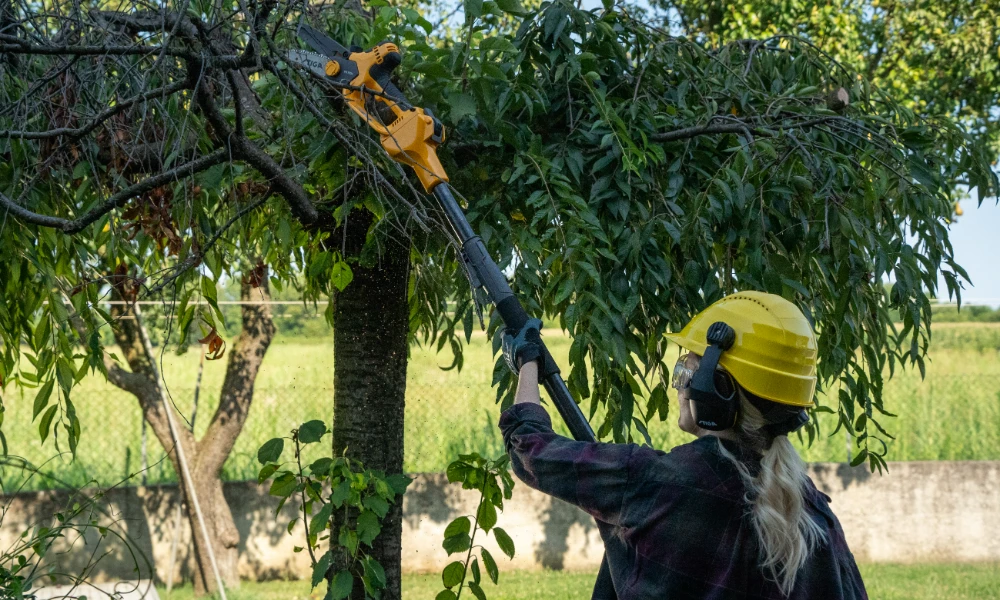
Organic gardening is all about working with nature rather than against it. From nurturing healthy soil and encouraging biodiversity to reducing waste and making thoughtful choices about garden maintenance, small changes can make a big difference. A garden that is able to support itself, with a little help from the gardener, can be more resilient to changing weather conditions while providing plenty of rewards in return.
Few understand these principles better than the team at Barnsdale Gardens in Rutland. The award-winning gardens have long championed sustainable and organic gardening, following the ethos established by founder Geoff Hamilton, affectionately known as ‘The People’s Gardener’.
Geoff was championing peat-free and organic gardening long before it became fashionable, and his son, Nick Hamilton, who now owns Barnsdale Gardens, has continued that approach for more than 40 years. For Organic September, the Barnsdale Gardens team has shared some of its favourite tips for preparing the garden for autumn.
Sow some green manure
One of Nick Hamilton’s favourite September jobs is sowing winter varieties of green manure on vacant ground. Winter tares, grazing rye, red clover and Italian ryegrass can help cover bare soil, suppress weeds and add valuable organic matter.
Once the ground is needed again, the green manure can be cut down and incorporated into the soil, returning nutrients and organic matter to the ground
For gardeners, it is a simple way to make productive use of empty spaces while helping to protect and improve the soil over winter.
Keep on top of cauliflowers
September can bring a glut of homegrown vegetables, with cauliflowers particularly prone to becoming ready at the same time. Rather than allowing surplus plants to go to seed, Nick recommends lifting a couple of plants with plenty of soil around their roots.
They can then be hung upside down from a north-facing fence or shed, with their roots sprayed with water each day. This slows their development and can provide an extra couple of weeks of harvesting.
Look out for tomato blight
After a successful summer tomato crop, September is also the time to remain vigilant for blight. Infected leaves should be removed as soon as symptoms appear, which may help slow the spread.
If the disease has reached the stems, it is best to remove the fruits, place them somewhere warm to ripen and dispose of the infected plant.
Collect seeds for next year
September is also an excellent time to collect seeds from plants such as Eryngium. When the seed cone has turned brown and the seeds begin to loosen, they can be gently rubbed away and stored in an envelope ready for sowing.
Saving seed is a wonderfully sustainable gardening habit, helping gardeners produce new plants without always having to buy more.
Prepare marrows and squashes for storage
Marrows and squashes can also be prepared for longer-term storage. Their skins need to become dry and hard, so gardeners should give the fruits plenty of sunlight and fresh air.
Removing some surrounding leaves allows more light to reach the fruits, while placing them on a brick, upturned pot or piece of wood allows air to circulate underneath. This helps the skins dry and harden properly, extending the life of the harvest into the colder months.
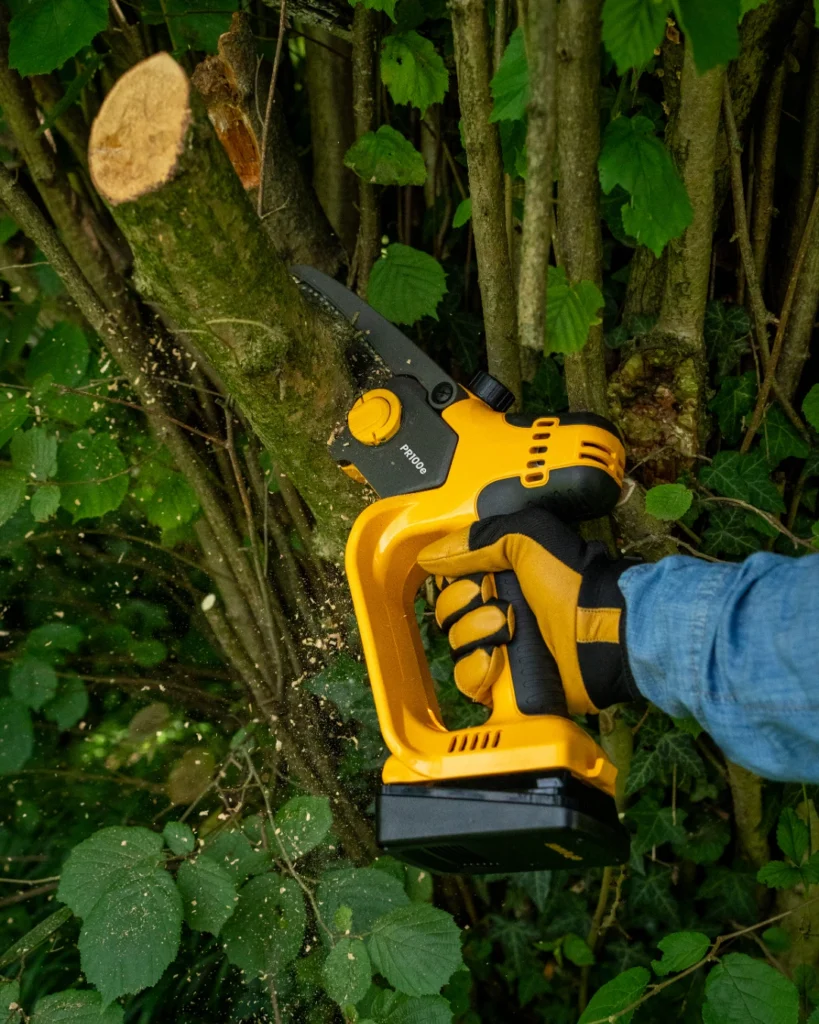
Choose practical, battery-powered tools
Organic gardening does not mean putting away the garden tools altogether. Maintaining a healthy garden still requires pruning, cutting and clearing, and choosing efficient equipment can make these jobs easier.
STIGA’s range of battery-powered garden tools can be particularly useful for autumn maintenance. Cordless pruning and cutting tools offer the freedom to move around the garden without trailing cables, while battery-powered technology can provide a convenient alternative to petrol-powered equipment for many everyday gardening tasks.
From tidying shrubs and trees to cutting back seasonal growth and keeping pathways and borders under control, the right battery tool can help gardeners maintain their spaces efficiently while continuing to take a considered approach to garden care.
Organic September is therefore about more than simply avoiding chemicals. It is an opportunity to look at the garden as a whole — from the health of the soil and the plants growing in it to the way garden waste is managed and the tools used to maintain it.
With a little preparation and inspiration from Barnsdale Gardens, September can be the perfect month to work with nature, protect valuable resources and create a garden that is healthier, more self-sufficient and ready for whatever the seasons bring.
- About the Author
- Latest Posts

Our Editorial Team are writers and experts in their field. Their views and opinions may not always be the views of Wellbeing Magazine. If you are under the direction of medical supervision please speak to your doctor or therapist before following the advice and recommendations in these articles.