I have never been particularly good at doing nothing. Give me a mountain and my instinct is usually to work out the fastest way up it, the most interesting way down it or whether there is some form of technology I could build to measure what happens in between. Sport, fitness and pushing myself physically have been part of my life for as long as I can remember, whether that is training for HYROX, taking on endurance challenges or disappearing down the rabbit hole of designing fitness technology.
My relationship with the mountains began at university. I was president of the snowboarding society, although I am not sure many of those early trips would have qualified as wellbeing. They tended to involve late nights, considerably too much alcohol and an alarm going off painfully early the following morning so we could get back onto the mountain and spend another day hurtling downhill.
I eventually swapped my snowboard for skis, but my basic approach remained remarkably similar: skiing holidays were for skiing.
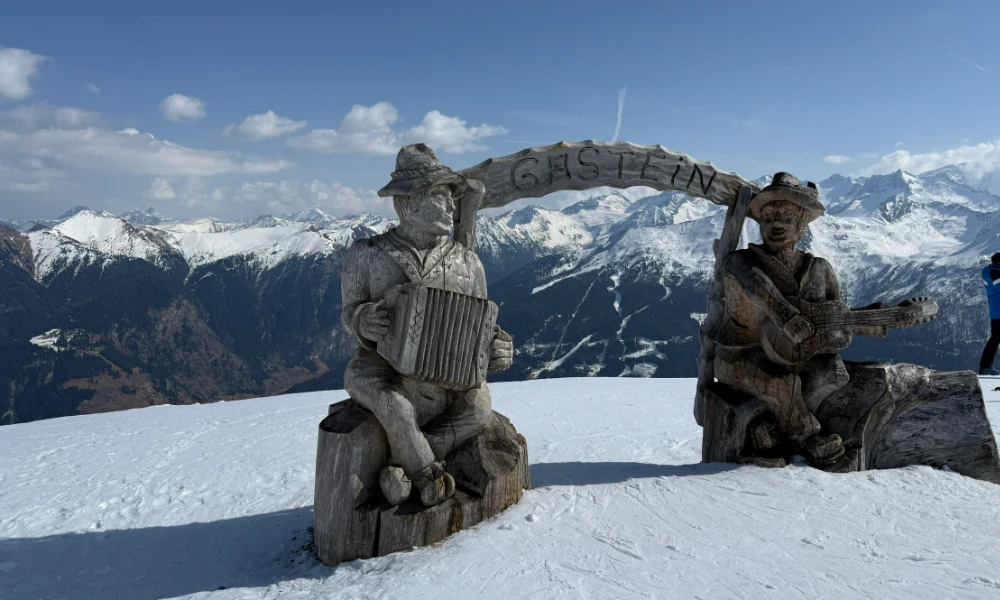
So when I was invited to spend several days in Austria’s Gastein Valley, coinciding with my birthday, I expected good snow, fast skiing and probably a few opportunities to find something slightly ridiculous to do on a mountain.
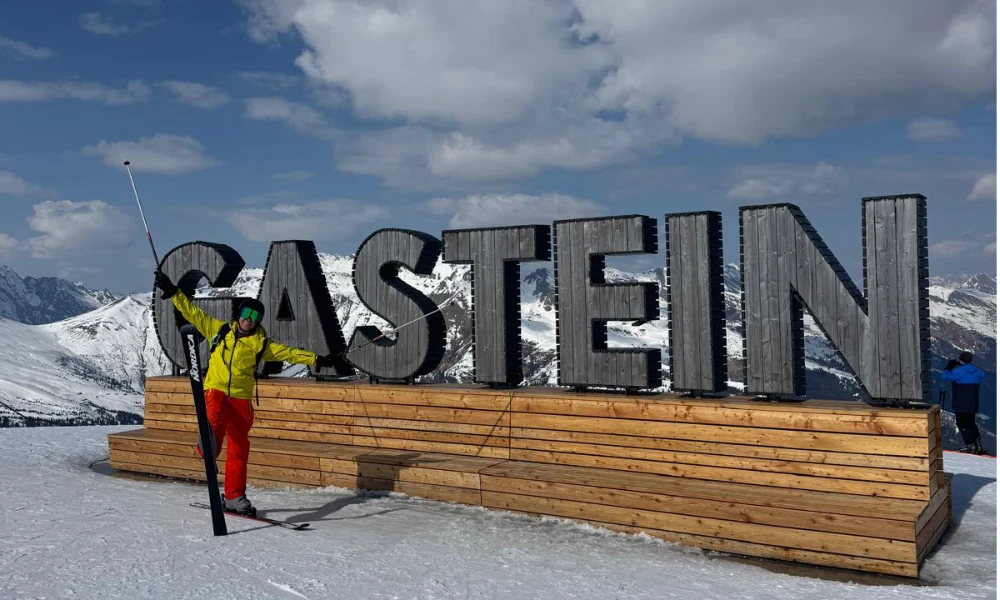
I got all of those. What I had not expected was to return home reconsidering what I actually want from a ski holiday.
A Mountain Town That Existed Long Before Ski Tourism
Gastein immediately feels different from many ski resorts.
There are Alpine destinations that appear to have been designed primarily around the mechanics of getting people onto snow: apartment blocks, ski shops, lifts, bars, restaurants and pistes assembled with impressive efficiency around a mountain.
Gastein is not one of them.
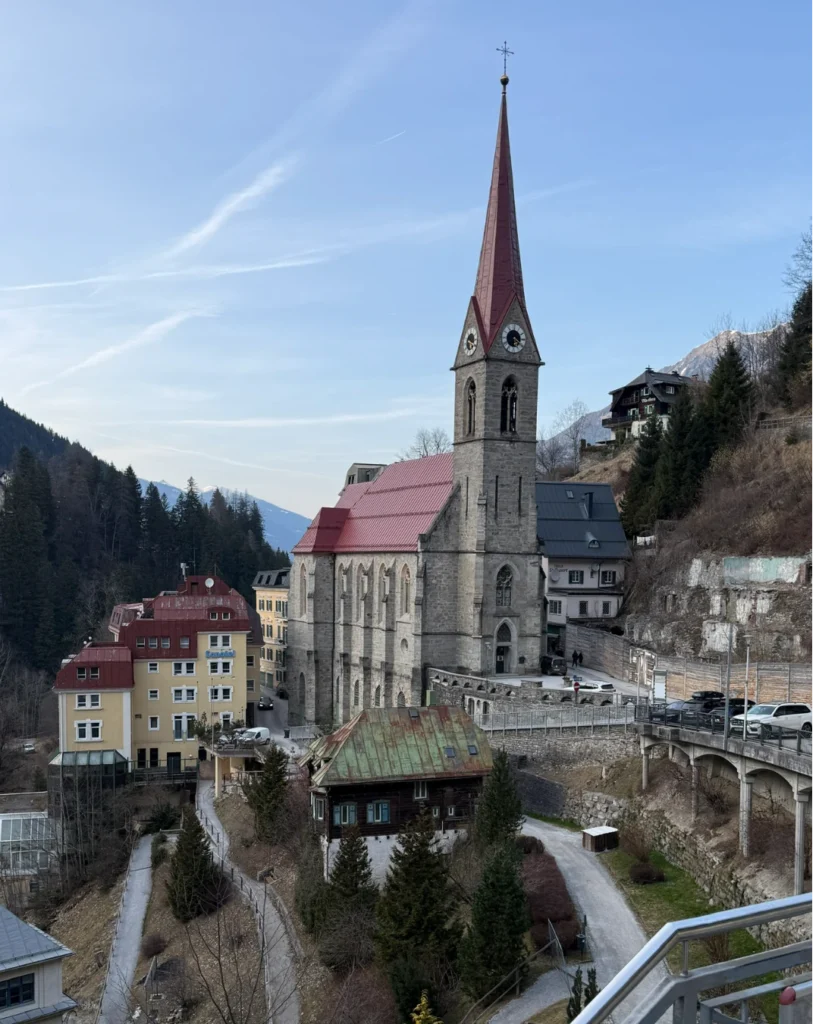
The old town tumbles dramatically down a steep mountainside around a waterfall, its grand hotels and villas rising above the valley in a way that feels more like an old European spa town that happens to have acquired a ski area than a ski resort that has added a spa.
That is essentially what it is.
The thermal springs around Gastein were known many centuries before anyone thought of attaching two planks to their feet and sliding down a mountain. The official history dates the discovery of the springs to around the seventh century, and by the 19th century Gastein had become one of Europe’s fashionable health destinations. Aristocrats, monarchs, artists and wealthy visitors travelled here to “take the waters”, among them Empress Elisabeth of Austria — Sisi — whose name still appears throughout the valley.
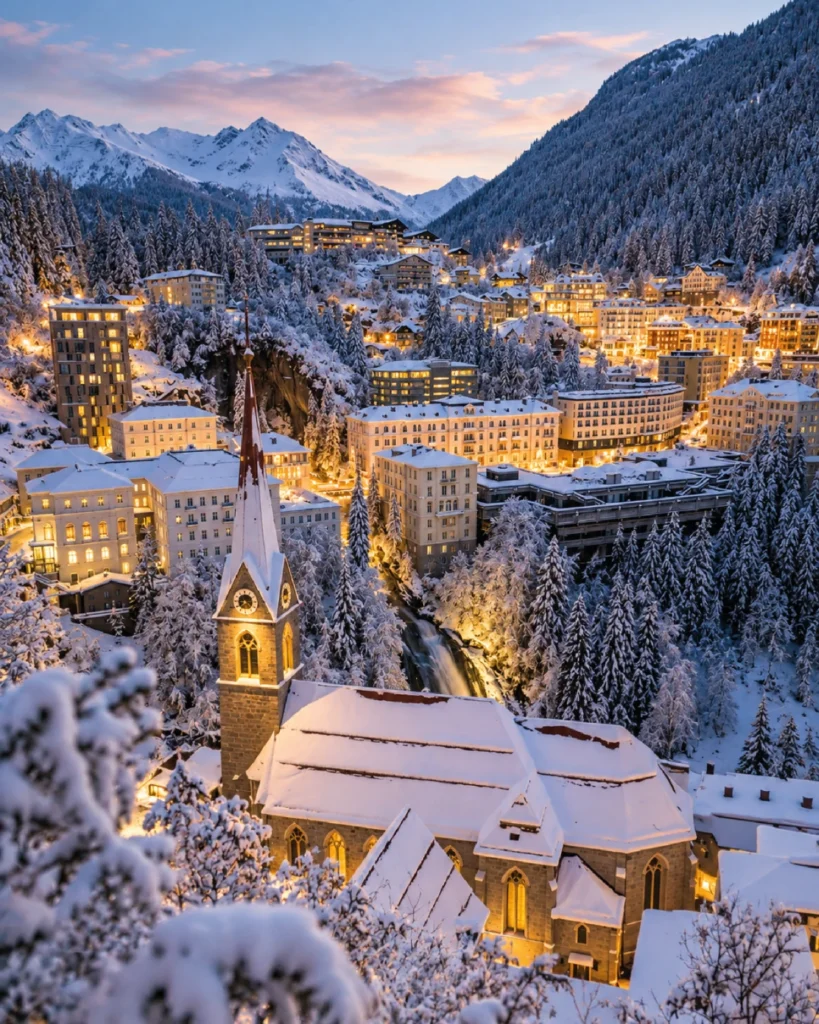
By the late 19th and early 20th centuries, Bad Gastein was enjoying its Belle Époque heyday. Elegant multi-storey hotels appeared across the mountainside and the opening of the Tauern Railway in 1909 made the valley considerably more accessible to international visitors. The enormous Grand Hotel de l’Europe, built between 1906 and 1909, became one of the defining buildings of the town.
For a man more accustomed to looking at piste maps than architectural history, walking through Bad Gastein with a guide was unexpectedly fascinating.
Many of its historic buildings have been undergoing a new period of restoration and revival, including the reopening of the legendary Straubinger in the historic centre. Rather than erasing the eccentricity of the old spa town, the regeneration is bringing its grand architecture back to life.
You can spend the morning on a modern high-speed lift and, a few hours later, stand beside a thermal spring that has influenced the history and economy of the valley for centuries.
That combination started changing the way I looked at the place.
The Water Beneath the Mountain
If snow dominates what happens above ground in winter, water has shaped Gastein beneath it.
Rain and meltwater enter the mountain at altitude, travel deep underground, heat naturally within the rock and eventually return to the surface through 17 thermal springs around Bad Gastein. Around five million litres can emerge each day, at temperatures of roughly 44–47°C.
The unusual part is that Gastein’s thermal water naturally contains a small concentration of radon.
The word radon understandably gets your attention. It is a naturally occurring radioactive noble gas, and prolonged environmental radon exposure — particularly in buildings — is a recognised health hazard. Therapeutic radon treatment, is a much shorter exposure, and is therefore a very different proposition.
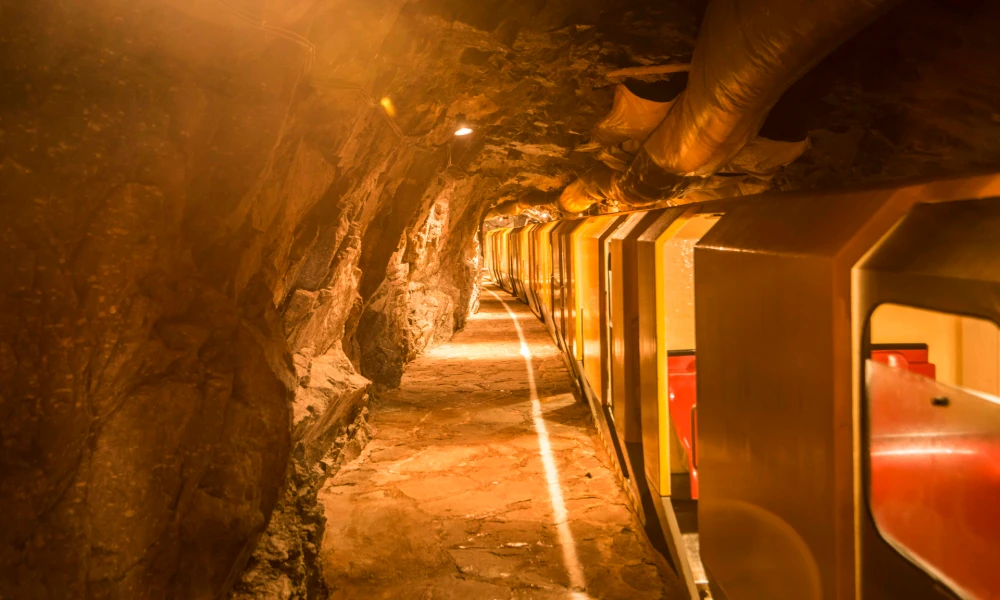
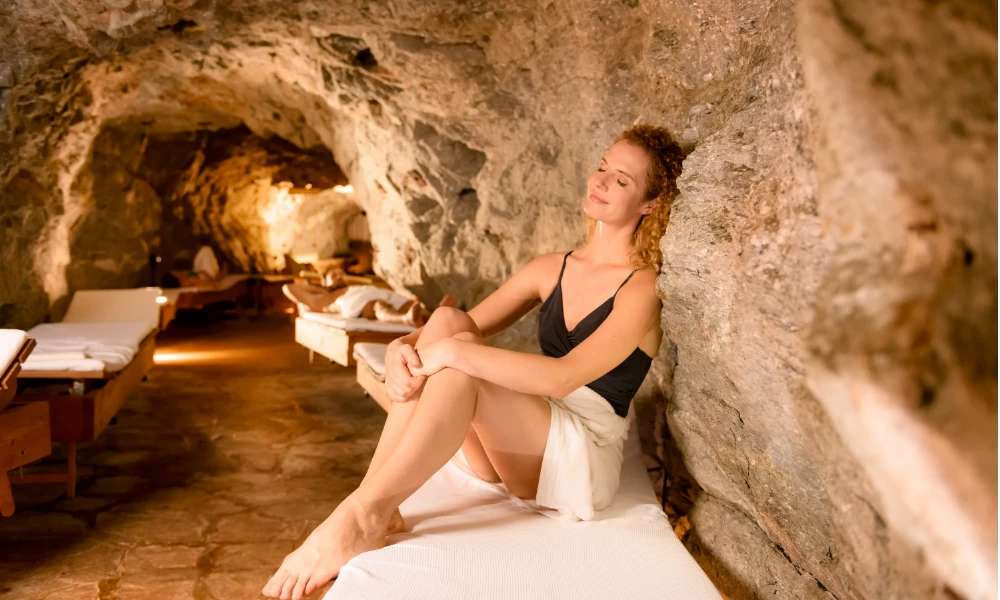
In Gastein, controlled low-dose radon exposure forms part of a long-established medical spa tradition. Treatments include individual radon thermal baths, a radon vapour bath and the extraordinary Gasteiner Heilstollen, or Healing Gallery, inside the Radhausberg mountain.
A therapeutic radon bath is not simply a dip in a hotel swimming pool. Patients lie in specially prepared thermal water, generally at around 36–40°C, under controlled conditions. Gastein describes radon as being absorbed principally through the skin and, to a lesser extent, through breathing during treatment.
It sounds decidedly unconventional to someone coming at wellbeing through fitness and performance. Then you discover how deeply established the practice is here.
From Searching for Gold to Finding a Healing Tunnel
The strangest chapter in Gastein’s health story lies inside the mountain itself.
Gold and silver mining once played an important role in the valley, reaching its peak during the 16th and 17th centuries. During renewed attempts to find gold around the Radhausberg in the early 1940s, miners excavated what became known as the Paselstollen.
They did not find the gold they were looking for.
Instead, workers encountered unusually hot, humid conditions deep within the mountain, and reports emerged that some miners experienced improvements in rheumatic complaints. The phenomenon was subsequently investigated, therapeutic trials began in the late 1940s and the Gasteiner Heilstollen developed into a medical treatment centre during the 1950s.
Today, patients travel around 2.5 kilometres into the mountain, where temperatures can reach approximately 37 – 41.5°C and humidity approaches 100 per cent alongside naturally occurring radon.
It is hard to imagine a greater contrast with the modern wellness industry.
There are no LED face masks, cryotherapy chambers or sophisticated performance dashboards involved. The treatment exists because of a geological accident: heat, rock, water and a naturally occurring gas trapped inside a mountain.
And yet people travel considerable distances to experience it.
So Does Radon Therapy Actually Work?
This was the question that interested me most. I spend a lot of time around performance technology, and I am naturally sceptical when something is described as a treatment simply because it has existed for a long time. Tradition is interesting, but it is not the same thing as evidence.
Radon therapy remains an unusual and debated area of medicine.
Research has concentrated particularly on chronic musculoskeletal and rheumatic conditions, including osteoarthritis, chronic back pain and inflammatory rheumatic diseases. A randomised multicentre study involving 681 patients reported longer-term reductions in pain and analgesic use in people receiving radon spa therapy compared with a control spa intervention, although benefits were not seen consistently across every outcome or patient group.
A 2026 systematic review and meta-analysis of eight studies involving more than 2,100 patients also reported improvements in medium- to long-term pain outcomes for musculoskeletal disorders.
The science around radon therapy continues to develop, but Gastein’s approach is supported by a growing body of research accumulated over several decades. In particular, the use of radon therapy for inflammatory rheumatic conditions such as ankylosing spondylitis, also known as Morbus Bechterew, has been comparatively well studied, with research examining its potential effects on pain, inflammation and the need for pain medication. The Gasteiner Heilstollen works with medical and research institutions to continue investigating these effects and the mechanisms that may be involved. As with many forms of balneotherapy, however, researchers are still working to understand precisely how much of the reported benefit can be attributed to radon itself and how much comes from the combined effects of heat, humidity, thermal water and the wider course of treatment. Rather than dismissing it as an Alpine wellness curiosity, it is perhaps more accurate to see Gastein’s radon therapy as a long-established therapeutic practice with a significant research history that continues to be scientifically investigated.
Radon therapy should not be treated as a casual wellness trend or something to replicate yourself. It is a specialised treatment used within established medical spa settings, particularly in Central Europe, and anyone considering it for a health condition should discuss its suitability with an appropriately qualified clinician.
From my perspective, however, there was something interesting about seeing a destination where “wellness” had been part of the local economy long before wellness became a global industry.
Fortunately, There Was Still Plenty of Skiing
None of this means I had suddenly decided to spend my birthday sitting quietly in warm water. Gastein happens to have a serious ski offering.
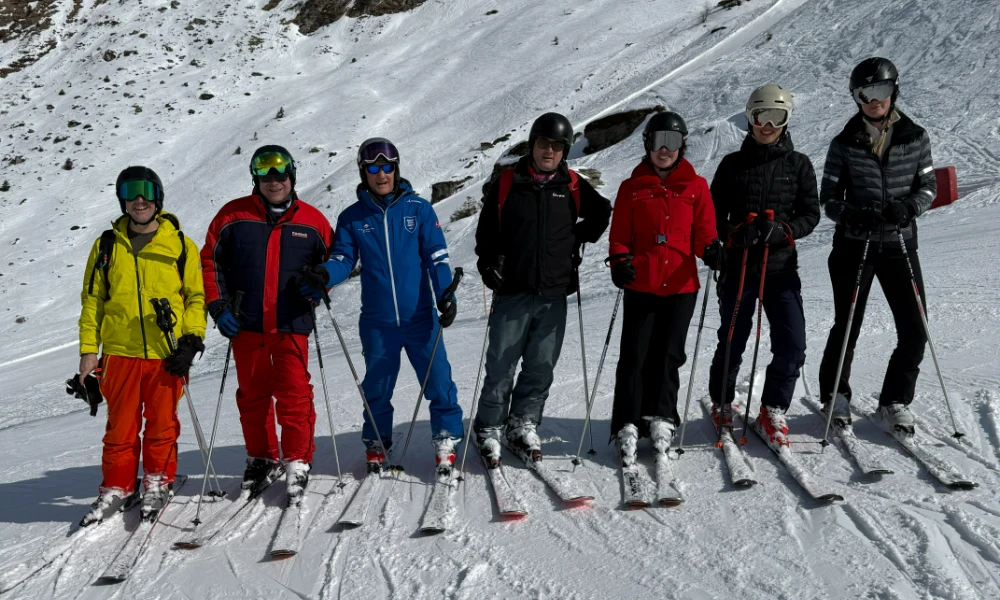
The valley runs for around 40 kilometres and its four principal ski areas — Schlossalm-Angertal-Stubnerkogel, Sportgastein, Dorfgastein-Großarltal — provide access to more than 180 kilometres of pistes.
For strong intermediate skiers, it is particularly enjoyable territory. Schlossalm, Angertal and Stubnerkogel link Bad Hofgastein and Bad Gastein and provide the kind of long, wide runs where you can build rhythm and cover a considerable amount of vertical distance.
One morning we were on the Schlossalm lift at 7.45am for Early Morning Skiing, getting onto freshly prepared pistes before normal operations began.
That is much more familiar territory for me.
There is a particular pleasure in skiing an empty piste. The surface is untouched, the mountain is quiet and, for the first few runs, there is nothing ahead except corduroy snow and space.
Then, rather than racing continuously until lunch, we stopped for breakfast at altitude.
Again, I began to see the appeal of doing things differently.
Sportgastein offers another personality altogether. Rising to around 2,686 metres, it is the highest ski area in the Ski amadé network and attracts stronger skiers and freeriders looking for higher Alpine terrain. Off-piste skiing is available, but this is proper mountain country and should be approached with the appropriate avalanche knowledge and, where necessary, a professional guide.
At the other end of the spectrum, Angertal has one of the largest dedicated beginner areas in the Alps. That makes Gastein unusually useful for mixed groups: experienced skiers have enough terrain to explore properly, while people learning for the first time are not simply left with a tiny patch of snow beside the hotel.
Then Someone Gave Me a Mountain Cart
If thermal bathing was pushing me outside my normal idea of a ski holiday, Gastein was considerate enough to balance things out.
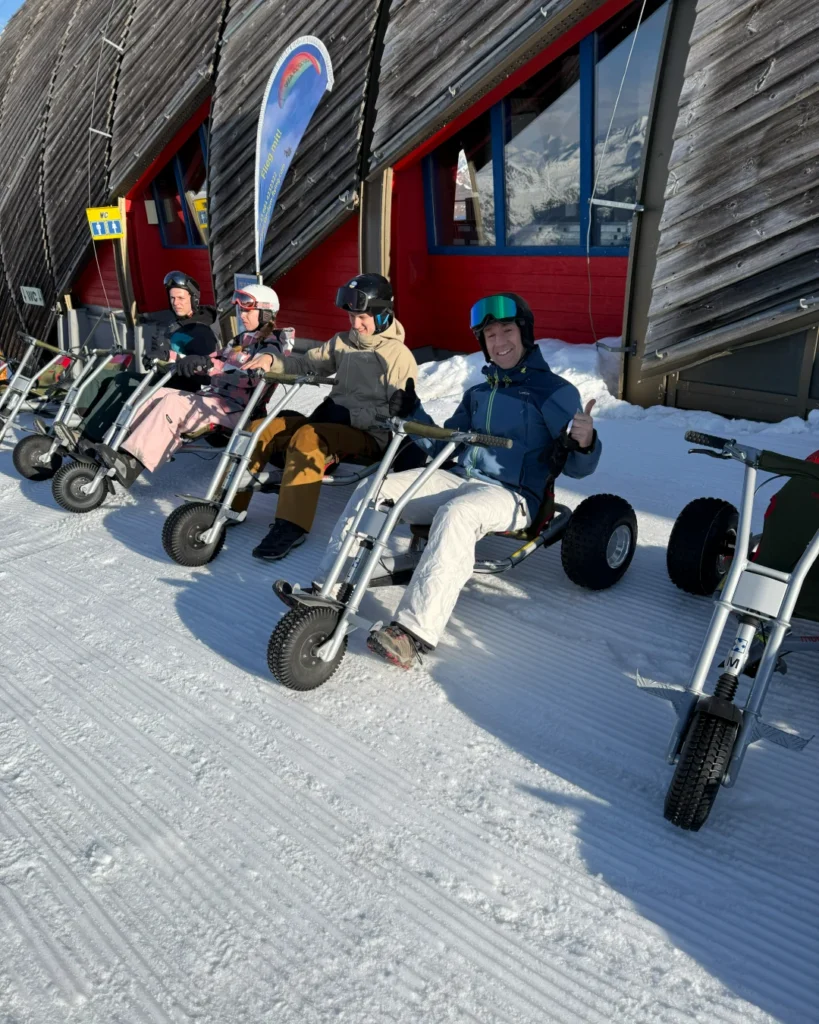
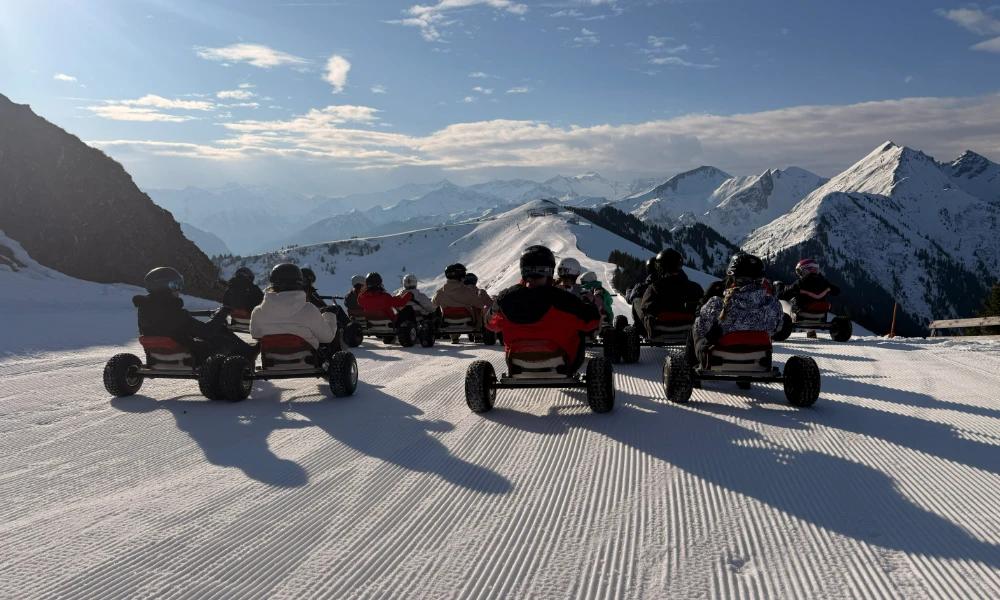
At 7.30 one morning in Dorfgastein, we took the Fulseck gondola up the mountain before the ski area opened and were introduced to the Early Winter Mountaincart.
Imagine a large three-wheeled gravity kart, a snow-covered piste and roughly 500 vertical metres of descent. Now we were speaking my language.
The experience runs before normal skiing begins, with riders descending prepared pistes on special mountain carts under supervision. The concept has even received a Salzburg tourism award.
It was fast enough to be exciting, ridiculous enough to be entertaining and probably the exact activity you would design if you wanted to persuade someone like me that there was life beyond skiing.
That morning also reinforced something I was slowly learning about Gastein: getting off your skis does not necessarily mean slowing down.
There is cross-country skiing, winter hiking, tobogganing, ice climbing, snowshoeing and freeriding. You can explore the landscape with huskies, take a horse-drawn sleigh through the valley or simply walk through the forests and mountains of the Hohe Tauern National Park.
The ski lift is only one way into the landscape.
Learning to Recover Properly
Eventually, of course, someone put me in a spa.
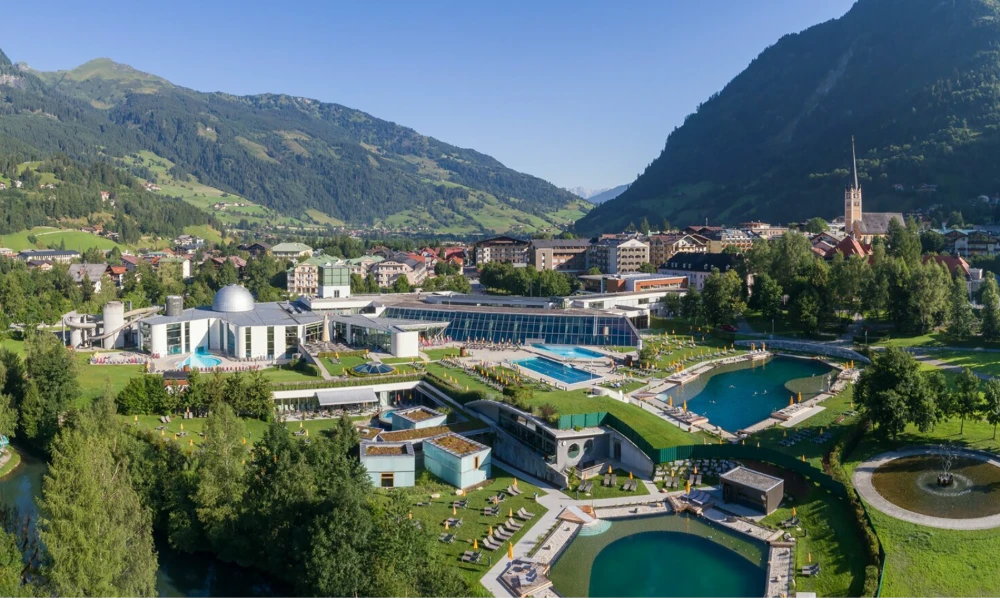
After several days of early starts, skiing and mountain activities, we headed to Alpentherme Gastein in Bad Hofgastein.
Normally my version of recovery is fairly functional. Stretch, eat, hydrate, sleep, work out whether something hurts enough to worry about and get ready to go again.
Spending an afternoon in thermal water requires a different mentality.
Gastein has two major public thermal spas: Alpentherme in Bad Hofgastein and Felsentherme in Bad Gastein. The latter sits at around 1,100 metres and is built partly into the rock, while Alpentherme combines extensive thermal bathing and sauna facilities with outdoor pools and swimming areas overlooking the mountains.
What surprised me was how logical the combination felt.Ski hard in the morning. Recover properly in the afternoon.
It is hardly revolutionary when written down, yet it is almost the opposite of the way many of us have traditionally approached ski holidays. We pay a considerable amount of money for a lift pass and therefore feel morally obliged to extract every possible minute from it.
First lift. Last lift. Repeat.
From a fitness point of view, we would never necessarily train that way at home. Recovery is part of training. Fatigue changes movement, reaction time and decision-making. Yet put us on a skiing holiday and suddenly recovery feels like wasting valuable mountain time.
Perhaps we have got that backwards.
A Ski Town Where Dinner Matters Too
The same change is happening around food.
Gastein’s mountain huts still deliver all the Austrian skiing essentials — hearty food, local ingredients and the sort of lunches that make restarting your ski day considerably more difficult — but the valley also has an increasingly ambitious restaurant scene.
Our trip moved between traditional mountain food and more creative cooking, including lunch at Hirsch & Maus, the Wenger Alm and an evening at Restaurant Aiche.
Gastein promotes its own “Skihauben” concept, bringing award-winning chefs and mountain huts together, alongside experiences including summit breakfasts, gourmet events and dinners high in the mountains.
Again, the message is that eating is not simply fuel squeezed between two ski sessions.
It is part of why you came.
Welcome to OFF
Gastein’s tourism message is Welcome to OFF.
Initially, that sounded like a phrase aimed squarely at somebody other than me.
I like being switched on. I build things. I train. I measure performance. I enjoy a target. I am generally happier when something requires effort.
But perhaps switching off does not have to mean becoming inactive. That was what this trip changed for me.
One moment I was carving down an empty piste before breakfast. The next I was being shown buildings constructed during the golden age of European spa travel. I raced a mountain cart down a snowy piste, soaked aching muscles in thermal water, learnt about miners accidentally discovering what would become a medical therapy centre and stood beside springs that had been attracting visitors centuries before recreational skiing existed.
Even being there on my birthday seemed appropriate.
As you get older, fitness stops being purely about what you can make your body do. Increasingly, it becomes about keeping your body capable of doing the things you love.
Strength matters. Cardiovascular fitness matters. Speed matters. But recovery matters too and so does curiosity.
Rethinking the Ski Holiday
I am not about to give up skiing for a dressing gown and slippers.
If there is a mountain, I will still want to know where the best run is. If somebody invents a new way of getting down it quickly, there is a reasonable chance I will volunteer.
But Gastein has changed one thing.
When I look at ski destinations in future, I will be asking a different set of questions.
Not simply: How many kilometres of pistes are there? How high does the lift go? Where are the best red and black runs?
I will also want to know what happens when the skis come off. Is there a town worth exploring? Is there history? Can I experience the mountains in another way?
What does the destination offer someone who does not want — or is physically unable — to ski for six hours every day?
Is there somewhere genuinely good to recover?
And is there something about the place that I could not experience anywhere else? In Gastein, that answer comes back to the water.
I arrived expecting another ski trip and discovered a valley whose identity runs much deeper than the snow sitting on top of it. Skiing arrived comparatively recently. The mountains, the hot springs, the miners, the spa guests, the old hotels and the extraordinary culture that developed around those waters were here first.
There is still plenty of joy in clipping into skis at eight in the morning and spending the day moving quickly downhill.
But there is also something satisfying about getting off them.
Race a mountain cart. Walk around a 19th-century spa town. Eat lunch properly. Listen to the story of the people who came before you. Soak tired legs in thermal water. Go to bed occasionally without feeling completely destroyed.
For someone who has spent a large part of his life thinking that wellbeing should involve doing more, Gastein offered a surprisingly convincing alternative.
Sometimes the healthier challenge might be learning when to do less.
Gastein at a Glance
Where: SalzburgerLand, Austria, around an hour and a half from Salzburg by road, with rail connections directly into the valley and railway stations in Gastein and Bad Hofgastein.
Skiing: More than 180km of pistes across three areas: Schlossalm-Angertal-Stubnerkogel, Sportgastein and Dorfgastein-Großarltal.
Best for: Intermediate and advanced skiers who want plenty of terrain but also value good food, history, spas and activities beyond skiing. The large Angertal learning area also makes the valley an excellent option for beginners and families.
For stronger skiers: Sportgastein provides high-Alpine skiing and freeride terrain reaching approximately 2,686 metres. Always use appropriate safety equipment and professional guidance when heading off-piste.
For action: Try Early Winter Mountaincart in Dorfgastein, cross-country skiing, tobogganing, winter hiking or, for suitably experienced adventurers with professional guidance, ice climbing and freeriding.
For recovery: Visit Alpentherme in Bad Hofgastein or Felsentherme in Bad Gastein. Specialised radon therapies, including therapeutic baths, vapour treatment and the Gasteiner Heilstollen, are separate medical-spa treatments rather than ordinary leisure bathing.
For history: Take a guided walk through Bad Gastein’s historic centre, visit the Gastein Museum in the former Grand Hotel de l’Europe and discover the spa heritage, Belle Époque architecture and gold-mining history of the valley.
DISCOVER: Gastein : gastein.com
SalzburgerLand region: salzburgerLand.com
- About the Author
- Latest Posts

Richard Branson is a fitness and wellbeing enthusiast with a passion for HYROX, cycling, and technology. He shares insights at the intersection of performance, wellbeing, and innovation.