Mobility vs Flexibility: Understanding the Difference for a Healthier Body
Mobility and flexibility are often used interchangeably, but they describe very different aspects of physical health. Understanding how each influences…
When it comes to improving how your body moves and feels, two words often surface: mobility and flexibility. They sound similar, but they serve distinct and equally important purposes in your overall wellbeing. Understanding their difference can help you train smarter, move better, and reduce your risk of injury.
What Is Flexibility?
Flexibility refers to the length of a muscle and its ability to stretch passively. Think of it as the range you can achieve when you’re relaxed for example, when you reach to touch your toes. It’s about how far a joint can move when an external force (like gravity or a partner) helps you along.
While flexibility training often involves static stretching holding positions that lengthen muscles it doesn’t necessarily mean you can control those ranges of motion. Being flexible doesn’t always translate into functional movement.
“Flexibility is about potential range but mobility is about control.” — RB100.Fitness
What Is Mobility?
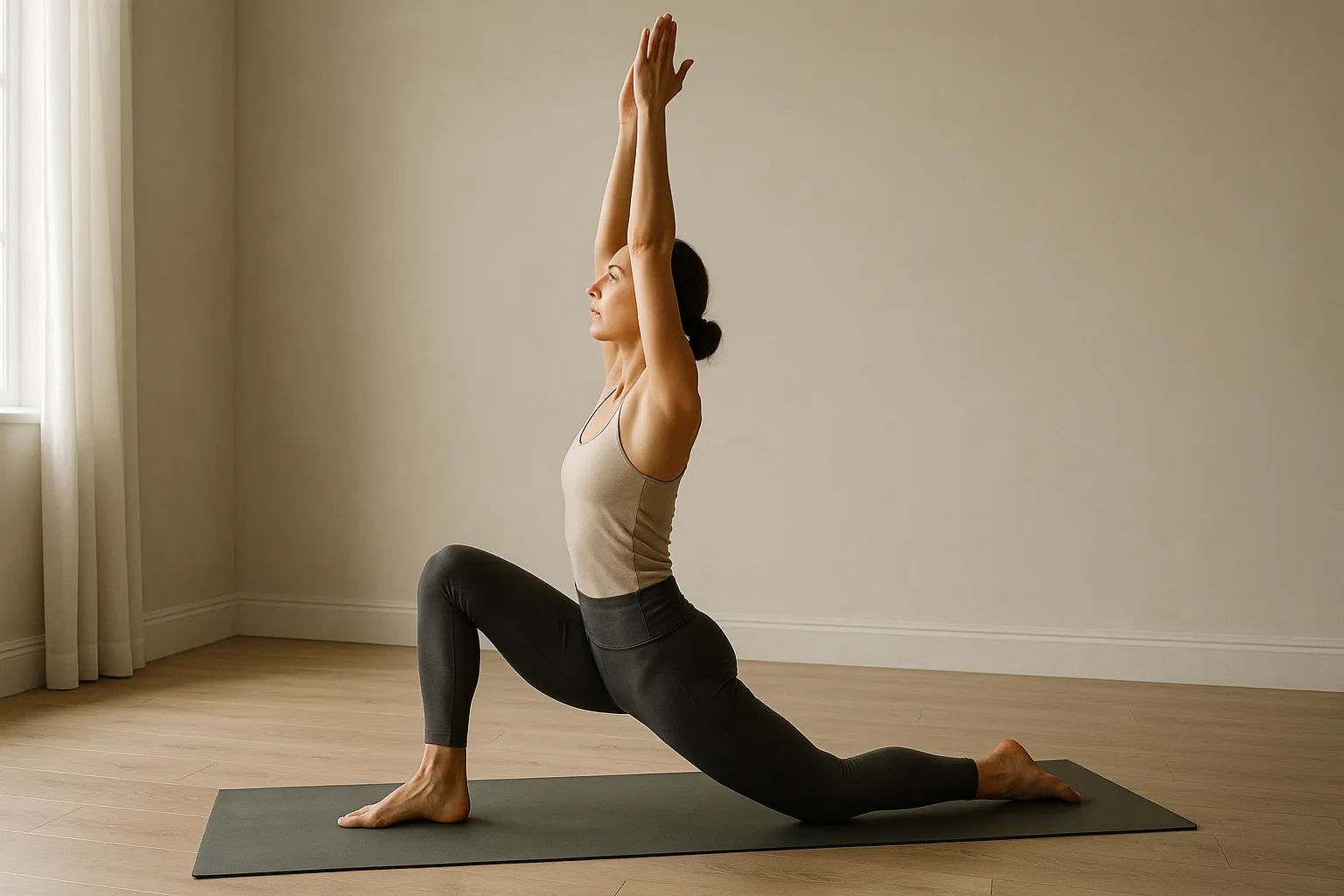
Mobility, on the other hand, is the ability to actively move a joint through its full range of motion using strength, coordination, and stability. It’s the blend of flexibility and control.
For example, being able to sit into a deep squat without assistance requires good ankle, hip, and thoracic spine mobility — not just flexibility. Mobility is the real-world expression of movement quality; it’s what allows you to move freely and powerfully in everyday life or during workouts.
Mobility training focuses on active techniques like controlled articular rotations (CARs), dynamic stretches, and loaded mobility work — all of which strengthen the end ranges of motion, helping joints become more resilient.
Why Mobility Matters More Than You Think
Many people chase flexibility without considering mobility. However, without the strength to control those new ranges, you can actually increase the risk of joint instability or strain. Mobility builds both range and resilience.
When you improve mobility, you’re training your body to own the positions it can reach. This translates to better posture, smoother movement transitions, and fewer injuries especially for those sitting at desks all day or performing repetitive sports movements.
Mobility work also supports longevity. As we age, joints stiffen, and muscles shorten due to inactivity or imbalance. Regular mobility training can offset these effects, maintaining freedom of movement well into later life.
The Best Way to Train Both
For optimal wellbeing, flexibility and mobility should coexist. Flexibility opens the door to movement, while mobility ensures you can walk through it safely.
Try integrating both approaches into your weekly routine:
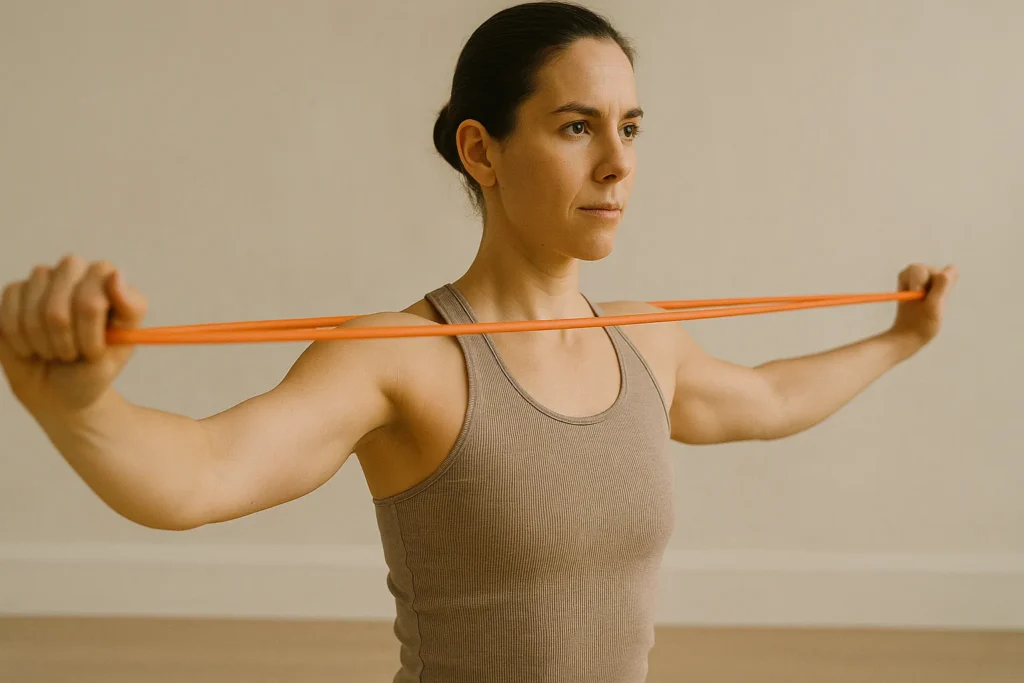
- Dynamic stretches before exercise — to activate mobility.
- Static stretches after training — to enhance flexibility and recovery.
- Targeted mobility drills for key joints like hips, shoulders, and ankles.
- Yoga and functional movement flows, which naturally combine both elements.
One excellent resource for exploring this synergy is Functionalyoga.uk, where movement-based yoga focuses on strength and mobility through breath and alignment.
When to Seek Professional Guidance
If you experience chronic tightness, poor posture, or restricted movement, a qualified practitioner such as an osteopath or mobility coach can assess imbalances and design a personalised plan. Mobility restrictions are often caused by more than tight muscles; they can stem from joint capsule stiffness, motor control issues, or even stress-related tension.
Final Thoughts
Flexibility is the foundation, but mobility is the expression of strength within that foundation. To move well and feel good, we need both but mobility gives us the control to use our flexibility functionally and safely.
Investing time in mobility work isn’t just about performance; it’s about long-term health, graceful ageing, and moving through life with ease.
Filed underBack pain, Stress & burnout, Injury & recovery, Osteopathy, Yoga & Pilates, Fitness & movement, Longevity
About the author
Richard BransonCo Founder
Richard Branson is a fitness and wellbeing enthusiast with a passion for HYROX, cycling, and technology. He shares insights at the intersection of performance, wellbeing, and innovation.