Why Back Pain Is One of Today’s Most Common Wellness Challenges
Walk through the streets of central London, and you can’t help but notice it: countless people quietly struggling with lumbar back pain and poor posture.
Shoulders slouch, hips tilt, and every so often, someone instinctively rubs or taps their lower back for relief. It’s a problem that doesn’t discriminate – it’s in London offices, on the Tube, in gyms, and even in playgrounds, where parents bend awkwardly to lift their children.
Lower back pain has become almost a city-wide epidemic – but why is it so common, and what can we do about it?
The NHS notes that lower back pain is one of the most common reasons people seek medical advice in the UK (NHS, 2023). For many adults, especially those working long hours at a desk in London’s financial and technology sectors, prolonged sitting gradually weakens spinal support muscles and increases pressure on intervertebral discs, the cushioning structures between the bones of the spine.
Research from Harvard University highlights that sedentary lifestyles significantly reduce spinal stability and mobility, which may increase vulnerability to disc injury and chronic pain (Harvard Health Publishing, 2021).
When I combine long sitting hours with stress, poor posture, and lack of structured movement, problems start to accumulate.
In fact, according to the UK’s NICE guidelines, maintaining activity and restoring functional movement is one of the most important strategies for managing persistent back pain (NICE, 2020). In other words, modern back care is no longer about rest; it’s about restoring both functionality and movement.
Across London, where more than nine million people live and work, back pain has become a quiet but widespread wellness challenge. Office professionals, busy parents, and even highly active individuals can all experience spinal overload.
In London, back pain affects a significant number of residents, with borough-level estimates showing 1,233 people in the City of London (≈16.2%), 31,675 in Westminster (≈14.1%), 32,852 in Hackney (≈13.0%), 41,686 in Lambeth (≈13.4%), and 43,272 in Hillingdon (≈15.4%) (Versus Arthritis, 2025a–e).

Summing these estimates suggests that around 756,829 adults in London (≈14% of the adult population) live with back pain, a condition closely linked to higher rates of anxiety, depression, and reduced well-being.
Across England, 26% of adults report chronic pain, with back pain a leading contributor (NHS Digital, 2024), while 17.9% of adults aged 16 and over experience a long-term musculoskeletal condition, including back pain (GOV.UK, 2025).
These figures underline both the localised and nationwide burden of back pain and its significant impact on both physical and mental health in London and beyond.
That is why conversations around long-term back pain recovery increasingly focus on restoring movement patterns and building a holistic back pain recovery strategy rather than relying on temporary fixes.
Nearly 750,000 people in London search for quick solutions to back pain, but the real question is: what does a properly structured rehabilitation approach actually look like?
This evidence-based framework demonstrates how carefully sequenced exercises restore strength, mobility, endurance, and stability, providing a clear model for long-term spinal recovery.
By breaking down correct assessments and movement strategies into controlled, progressive steps, a structured lower back pain rehabilitation programme shows why gradual progression is essential for building long-term resilience and achieving successful rehabilitation.
The Shift Toward Structured Rehabilitation Programmes
Many people try random exercises they find online.
I understand why. When pain appears, the instinct is to “stretch it out”.
But spinal recovery rarely works that way.
Research from the Mayo Clinic emphasises that rehabilitation programmes for lower back conditions should follow progressive loading principles. This means gradually improving muscle strength, coordination, and spinal control rather than performing isolated exercises without structure (Mayo Clinic, 2022).
This is where a well-designed lower back pain rehab program becomes crucial.
A successful customised back rehabilitation programme focuses on six key foundations:
- Conducting a thorough medical history and comprehensive physical assessment to understand exactly what is affecting your back
- Implementing laser-sharp rehabilitation customisations, designed to fit you precisely and address your individual needs
- Restoring strength and movement symmetry on both sides of the body, helping your muscles and joints work evenly
- Enhancing spinal function, agility, and stability, so your back moves safely and efficiently in daily life and exercise
- Gradually rebuilding long-term resilience and strength, reducing the risk of future injury
- Returning to regular exercise, progressing safely to higher intensity, and regaining full physical performance, so you feel confident and at your best
Studies from Oxford University show that customised targeted strengthening and posture re-education significantly improve functional outcomes in people with chronic lower back pain (Oxford Spine Research Group, 2019).
This customised approach differs from typical fitness routines. Instead of focusing purely on performance, rehabilitation programmes prioritise safe progression, restoring and maximising your body functionality and movement quality.
In practice, these injury recovery programmes often include:
• controlled core stabilisation
• gradual load progression
• posture correction drills
• movement pattern retraining
Everyone is different; therefore, customisation is key and crucial, but over time, these elements help the spine to regain resilience.
When people begin to understand how rehabilitation programmes progress step by step, they often discover that back recovery becomes safe and far more predictable than they first imagined.
The Role of Strength and Mobility in Back Pain Recovery
Back pain recovery is not only about reducing discomfort.
It is about rebuilding the spine’s ability to tolerate everyday movement.
The spine depends heavily on surrounding muscles for support. These include the deep core stabilisers, paraspinals, psoas, multifidus, obliques, quadratum lumborum, hip flexors, glute muscles, and the muscles around the shoulder blades.
Research from Cambridge University highlights that weakness in these stabilising muscle groups often leads to compensatory movement patterns that overload spinal discs and joints (Cambridge Musculoskeletal Research Unit, 2018).
That is why modern rehabilitation integrates both strength and mobility training.
For example:
Core stability exercises help control spinal movement.
Glute activation drills reduce excessive load on the lumbar spine.
Thoracic mobility exercises improve posture and reduce stiffness.
Together, these movements – and more – create the correct foundation for strength training for spinal support.
Equally important are mobility exercises for the spine, which help maintain healthy joint movement and reduce unnecessary tension.
A systematic review published in The Lancet found that structured exercise programmes significantly improve physical function and reduce recurrence of chronic lower back pain episodes (Foster et al., 2018).
In simple terms, if it is assessment based, the correct movement becomes medicine for your spine health.
When people start combining mobility and strength in a customised way, they often discover that everyday movements, such as sitting, walking, and lifting, feel dramatically different.
Why Personalised Training Makes a Difference
No two spines move the same.
That is something many people only realise after struggling with recurring back pain.
A personalised programme begins by identifying movement asymmetries, muscular imbalances, and compensation patterns. These small differences often explain why one exercise helps someone while the same movement aggravates another person’s back.
According to Kaiser Permanente, tailored exercise programmes supervised by trained professionals significantly improve adherence and outcomes for musculoskeletal rehabilitation (Kaiser Permanente Research Institute, 2020).
For many professionals in London, particularly those working long hours at desks, personalised training offers something valuable: long-term expertise and specialist guidance.
A Specialist Perspective on Herniated Disc Recovery
Herniated disc and spinal rehabilitation require a multifaceted approach.
To illustrate how these strategies are applied in practice, here is the expert commentary from one of London’s foremost long-term back health specialists. Actively involved in exercise-based spinal rehabilitation, he brings extensive experience in assessing lumbar disc injuries, designing tailored recovery programmes, and guiding patients safely through every stage of rehabilitation, helping them return to sport and high-intensity exercise predictably, with confidence and precision.
“A herniated disc occurs when the inner gel of the intervertebral disc protrudes through its outer layer, irritating nearby nerves. This customised approach helps people, in a safe and controlled way, to dramatically reduce and eliminate pain quickly, while restoring segmental spinal stability, strengthening deep core musculature in a customised manner, improving spinalis and glute activation, and correcting thoracic and lumbar posture to minimise excessive lumbar loading,” explained Jazz Alessi, founder of Personal Training Master, head of the Herniated disc and Sciatica Rehabilitation Department, and creator of The Spine Method.
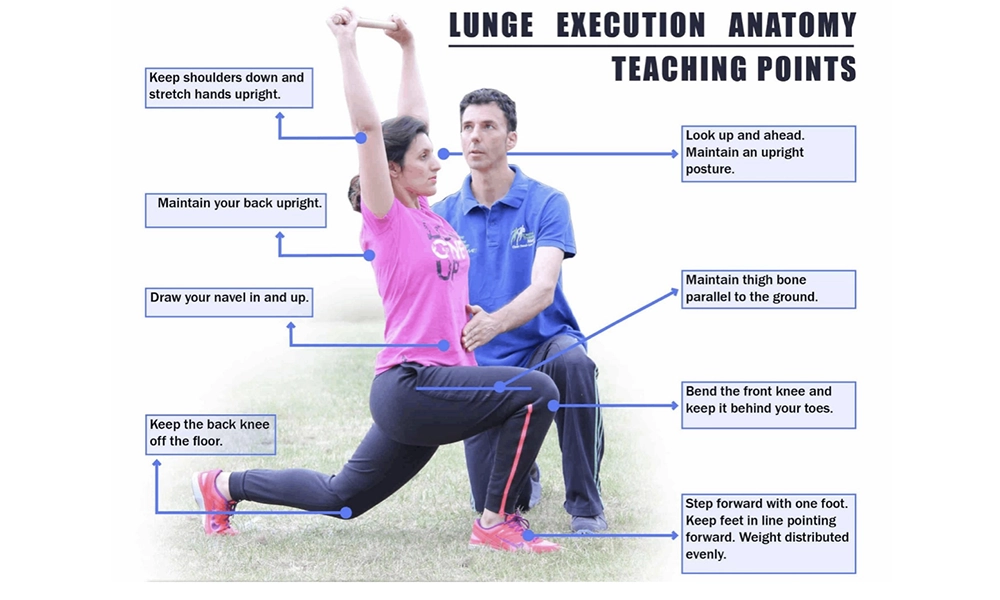
“Safe – progressive loading is critical. I gradually rebuild tolerance to movement through controlled spinal mechanics, targeted strength work, and innovative, customised mobility rehabilitation exercises that help the client restore balanced force distribution through the spine, support neurology, and recover back functions that may have been lost. When these systems work together synergistically, your spine becomes far more resilient to everyday stresses, and most of my clients can return to sport and exercise, performing at their best,” Jazz Alessi continues.
Research increasingly supports this approach. A study published in Spine Journal reported that assessment based, customised strength training significantly improves function and reduces recurrence risk for lumbar disc issues (Steiger et al., 2012).
Real-Life Rehabilitation Stories
So how does this approach work in real life?
Case Study One: 90% Less Pain, 300% More Strength – Jan’s Rehabilitation Breakthrough
Jan suffered from L5 nerve entrapment with sciatic nerve compression, causing sharp, shooting pain that travelled from his lower back through his buttock and down his leg, often making simple movements such as sitting, bending, or walking intensely painful.
“I could potentially take up a new sport, for example. The inconsistencies and asymmetries diminished by 85-90 per cent very quickly. Pain also diminished to a final reduction of 85-90%. My strength increased by about 300%, and I can now exercise 300% longer than before. Jazz commitment, knowledge, and care are surely unsurpassable.”
Case Study Two: From Debilitating Disc Pain to 300% Strength — Franco’s Rehabilitation Breakthrough
Franco suffered from two herniated discs – one lumbar and one thoracic – which triggered repeated flare-ups of severe lower back pain, leaving him unable to walk, bend, lift, or even put on his socks during painful episodes.
“I am stronger, faster, and better. I’ve had no flare-ups since training with Jazz. I achieved a 300% increase in strength in just two months, and I can play with my son without fear of injuring myself.”
Stories like these illustrate how structured rehabilitation can transform everyday life.
When people see measurable changes in strength, movement, spine functionality, and confidence, the concept of long-term spine health suddenly becomes tangible.
A rehabilitation specialist or personal trainer can adjust movement patterns in real time, modify exercise load, and monitor progression safely.
So, where are you living – in Holland Park, Kensington High Street, Kensington Gardens, South Kensington, near the Science Museum, or near Kensington Palace?
It doesn’t matter where you live – technology makes it easy, and expert support can be provided at your chosen location.
What actually happens inside specialist personal training in Kensington may surprise you – customisations in movement can unlock changes in strength, posture, and pain people didn’t think were possible.
This type of training also integrates spine rehabilitation training, combining biomechanics, progressive strength development, and posture correction.
When individuals finally understand how their own movement patterns influence back pain, the path to recovery often becomes much clearer.
Building a Sustainable Lifestyle for Long-Term Back Health
Spine health does not end once pain disappears.
Sustainable recovery depends on consistent habits.
According to NHS guidance, staying active and maintaining strong supporting muscles is one of the most effective ways to prevent recurring back pain (NHS, 2023).
That means developing a lifestyle approach to back health.
For many London professionals, this includes:
• standing and moving regularly during work hours
• practising posture correction training
• maintaining regular strength training routines
Gradual progression matters as well.
Sudden increases in exercise intensity often overload the spine again. Instead, structured programmes with a long term experienced back pain rehab trainer gradually improve strength, flexibility, and endurance.
Many people combine structured exercise with London personal training sessions to maintain consistency and accountability.
Over time, these habits build what researchers call “spinal resilience”, the ability of the spine to tolerate everyday physical demands without injury.
Five Scientific Tips for Supporting Long-Term Spine Health
Jazz also shares five key strategies that consistently support spinal resilience.
Prioritise Core Stability
Deep core muscles stabilise the spine during movement.
Exercises like controlled planks and dead bug variations help improve spinal control and reduce excessive lumbar stress.
Strengthen the Glutes
Weak glute muscles often shift load into the lower back.
Strengthening them helps redistribute force during walking, lifting, and everyday movements.
Restore Thoracic Mobility
A stiff upper spine forces the lower back to compensate.
Mobility drills for the thoracic region help restore balanced spinal movement.
Progress Load Gradually
Sudden increases in training intensity increase disc pressure.
Gradual load progression allows spinal tissues to adapt safely.
Maintain Daily Movement
Frequent small movements throughout the day reduce spinal stiffness.
Short walking breaks and posture resets can significantly reduce cumulative spinal load.
Conclusion: Why Prevention Matters More Than Performance
Back pain recovery doesn’t depend on a single exercise.
Instead, long-term success usually comes from structured progression, consistent strength training, and improved movement awareness.
Research from Harvard, Oxford, and the NHS consistently highlights that active rehabilitation and customised exercise play a central role in spinal health.
A thoughtful combination of back pain recovery exercises, personalised training guidance, and sustainable daily habits can gradually rebuild spinal resilience.
For many people across London, understanding how the spine truly works is often the first step towards a stronger and more confident future.
References
NHS (2023). Back Pain Guidance.
NICE (2020). Low Back Pain and Sciatica Guidelines.
Harvard Health Publishing (2021). Exercise and Back Pain Prevention.
Mayo Clinic (2022). Back Pain Rehabilitation Advice.
Oxford Spine Research Group (2019). Lumbar Rehabilitation Outcomes.
Cambridge Musculoskeletal Research Unit (2018). Spinal Stability Research.
Foster et al. (2018). Lancet Low Back Pain Series.
Steiger et al. (2012). Exercise for Lumbar Disc Herniation.
(Additional peer-reviewed musculoskeletal rehabilitation studies referenced throughout the article.)