Choosing a Surgeon You Trust: Key Questions Before Rhinoplasty
Did you know rhinoplasty is one of the top five cosmetic surgeries performed in the U.S. every year?
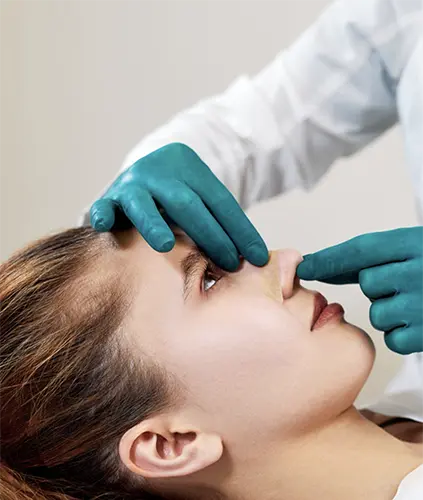
Did you know rhinoplasty is one of the top five cosmetic surgeries performed in the U.S. every year? Going forward, if you are thinking of the surgery, you’re not the only one in places like Minneapolis. In fact, for many, the nose is something they’ve thought about changing for years. A lot of reasons can be behind it, though. Maybe to breathe better, to fix an old injury, or to feel more comfortable with their appearance.
But making the decision to have surgery is only half the journey. The bigger step is finding a surgeon you can truly trust. Skill matters, but so does honesty, experience, and the way a surgeon supports you before and after the procedure.
Having said that, here are four essential questions to guide you.
1. How Experienced Are You with the Procedure?
Nose job is a complex procedure where even the smallest adjustment makes a big difference. That’s why experience and specialization matter more than anything else.
Ask questions to the professional, like:
- Are you board-certified in facial plastic surgery?
- How many rhinoplasties do you perform each year?
- Do you specialize in facial procedures, or do you cover a wide range of surgeries?
Surgeons who consistently perform rhinoplasties develop sharper skills and a deeper understanding of both function and aesthetics.
For instance, if you’re exploring options for rhinoplasty in Minneapolis, clinics like Hagen Facial Plastic Surgery emphasize facial-focused expertise. That means your surgeon understands not just the nose itself, but how it fits into your overall facial harmony. This kind of specialization is what ensures both safe outcomes and results that look natural rather than “done.” Ultimately, taking time to learn about your surgeon’s training and track record not only builds trust but also gives you confidence that your goals are being understood.
2. Can I See Before-and-After Photos?
Credentials are important, but photos reveal how a surgeon’s skills translate into real outcomes. They also give you a sense of the surgeon’s “aesthetic style.”
Therefore, look for:
- Examples of patients with similar features to yours.
- Results that look balanced and natural rather than overdone.
- Consistency across multiple cases, not just one or two highlights.
A surgeon proud of their work will share a variety of examples, not only the most flawless ones. Pay close attention to subtle changes — the best results often blend so seamlessly that the nose doesn’t look “operated on.”
Reviewing photos also helps you shape realistic expectations and decide whether the surgeon’s aesthetic matches yours. Ultimately, transparency here is one of the strongest indicators of trustworthiness.
3. What Will Recovery Really Be Like?
Recovery is one of the biggest concerns for most patients, and it’s where transparency matters most. Every person heals differently, but a skilled surgeon should guide you through what’s typical.
Good questions to ask:
- How long will swelling and bruising last?
- When can I return to work, social events, or exercise?
- What’s the timeline for seeing final results?
- How do you handle complications if they arise?
Healing from the surgery takes patience. To be precise, the nose can take months to settle fully, with subtle refinements continuing for up to a year. Honest surgeons won’t gloss over this timeline but will help you prepare for each stage. They may also share tips for managing swelling and ensuring comfort in the early weeks.
All in all, understanding the full recovery picture reduces anxiety and helps you plan realistically for life after surgery.
4. How Do You Support Patients After Surgery?
The surgery itself is just one part of your rhinoplasty experience. What truly sets a surgeon apart is the care they provide once the procedure is over.
Hence, ask your surgeon about:
- How many follow-up visits are included in the process?
- Whether you’ll be seen directly by the surgeon or only by staff.
- What’s their approach if adjustments or revisions are needed?
A supportive surgeon will monitor healing, answer questions, and be available when concerns arise. They’ll also reassure you that minor adjustments, if ever required, are part of the long-term commitment to your satisfaction.
This ongoing involvement builds a sense of safety and shows that the surgeon cares about results as much as you do. Choosing someone who prioritizes aftercare ensures your rhinoplasty journey is smooth and supported from start to finish.
Final Thoughts
Choosing a surgeon for rhinoplasty isn’t a decision to rush. By asking the right questions about training, results, recovery, and aftercare, you protect yourself and increase the chances of an outcome you’ll love.
Last but not least, trust is built on transparency — when your surgeon is open, clear, and supportive, you can move forward with confidence, knowing you’re in the right hands.
Filed underAnxiety, Injury & recovery, Cosmetic & aesthetics, India & Sri Lanka