Depression: What is Depression?
Depression is something more serious than being sad; it is a serious mental condition that destroys thoughts, behavior, and functioning on a day-to-day basis. It may result in deep-seated depression, loss of energy, and listlessness in things that once were enjoyable. Depression is highly prevalent among 280 million people across the globe.
The Science Behind Depression
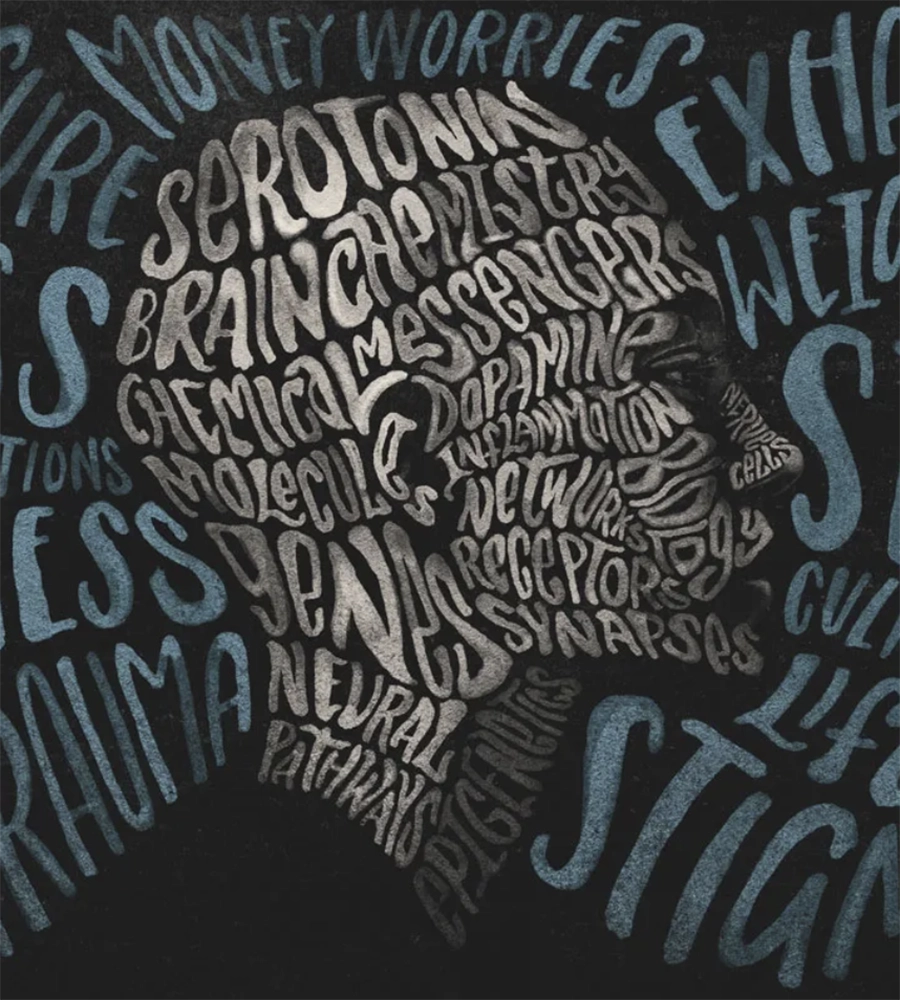
It is associated with depression when presented with matters to do with chemical imbalances in the brain, particularly serotonin, dopamine, and norepinephrine—high levels of cortisol, the stress hormone, are also involved. The parts of the brain, such as the hippocampus and prefrontal cortex, can experience reduced activity, which can then impact emotional reactions and decision-making. For individuals seeking support, depression counselling in Singapore provides professional guidance to address these neurological and emotional challenges through tailored therapeutic approaches.
Reasons for Depression
Depression usually has its source in the biological, psychological, and environmental factors:
. Biological: The hereditary factors, the chemicals in the brain, and the alteration of the hormones
. Psychological: Self-esteem, trauma, constant worry
. Environmental: Isolation, loss, financial hardship, or addiction to drugs
Signs and symptoms
The usual symptoms are:
. Constant depression or dependency
. Weakness or low energy
. Sleeping or eating differences
. Loss of interest in activities
. Difficulty concentrating
. Worthlessness or feelings of guilt
. Suicidal or death thoughts
In case they extend beyond two weeks, consult the professionals.
Types of Depression
. Major Depressive Disorder (MDD): presence of extreme, consistent symptoms
. Persistent Depressive Disorder: chronic moderate depressive illness lasting for six or more months.
. Seasonal Affective Disorder (SAD): It is seasonal
. Postpartum Depression: after childbirth
. Bipolar Depression: Switching with manic:
Depression of Various Age Ranges
. Children and adolescents may become annoyed, have low grades, or show behavioral issues.
. Burnout, a lack of motivation, alcohol use, etc., can be developed by adults.
. Seniors can also be lonely, sick, or lost, states often associated with old age.
Diagnosis and when it is time to go And Seek Help
A mental health practitioner diagnoses depression by interviews and questionnaires (such as PHQ-9), after which physical conditions may be excluded by testing. Seek help if:
. You feel hopeless for weeks
. Daily tasks feel impossible
. You’re withdrawing from people or life.
Treatment Options
1. Therapy
. Cognitive Behavioral Therapy (CBT): Disorganizes the negative cognition
. Psychodynamic Therapy: Digs into emotional roots
. Group Therapy: Peer support is given
2. Medication
Antidepressants such as SSRIs stabilize chemicals in the brain. You should talk with an expert in medicine at all times.
3. Lifestyle Changes
Most symptoms can be alleviated through a routine, adequate sleep, a healthy diet, and effective stress management.
Natural Remedies
. Omega-3 fatty acids: Heal brain activity
. St. John’s Wort: Herbal aid (consultation of a doctor required)
. The mindfulness and meditation: Mind off overthinking
. Sun and nature walks: Increase serotonin and promote a good mood.
The role of diet and exercise role
Leafy greens, fish, nuts, and fermented foods contain high amounts of nutrients that are significant in ensuring brain health. Food in packages and sugar should be avoided.
Just half an hour of exercise, such as walking, can:
. Increase endorphins
. Improve sleep
. Reduce anxiety
. Boost self-esteem
Connection and Social Support
Depression is aggravated by isolation. Support is necessary and should consist of Family, friends, therapy, or social organizations. Speaking helps a person to heal and be accountable, but it should not be judgmental.
Coping Strategies
Daily management techniques include:
. Journaling thoughts
. Practicing gratitude
. Setting small goals
. Breathing exercises
. Synopsis: Shortening the screen time
These are activities that encourage resilience and emotional control.
Spirit Moving Tales of Recovery
Different classes of people have been able to address the issue of depression by responding to it using various methods like treatment, medication, exercise, and motivating themselves. Healing does not happen overnight, but it is possible.
Long-Term Management
Maintain recovery with:
. Regular routines
. Follow-up therapy or sessions
. Social interaction
. Healthy boundaries
. Trigger awareness
You are likely to relapse, and with a proper plan, you would come back stronger the next time.
Conclusion
The problem of depression is real, widespread, and treatable. Learn about its causes and symptoms, and discover an optimal solution that, together with a change in lifestyle and a supportive environment, will allow you to take control of your life again. You are not alone, and you can recover at any time.
FAQs
Is depression self-limiting?
Occasionally, mild depression heals itself, although a great number of cases can only be helped.
Are antidepressants effective?
Surely, at least when it comes to moderate-severe depression, they can only be successful when used in conjunction with therapy.
Is there a genetic factor in depression?
Creativity is partially a hereditary effect; however, the surroundings and personal experiences also play huge roles.
Can exercise help?
Absolutely. It has been established that physical exercise also has a positive effect on mood.
What does one do when one feels that they are depressed?
Visit a physician or a counselor and receive an accurate diagnosis and a treatment plan.
What can I do to help the victim of depression?
Things such as listening without judging, providing assistance with everyday tasks, and encouraging the application of professional help.