A personalized headstone offers families a lasting tribute that will capture a life’s unique spirit. When selecting design elements, relatives must balance sentiment, durability, and budget in a thoughtful way.
The following can guide family members through a number of considerations for creating a memorial that resonates for generations.
Honoring Identity and Story
A headstone should reflect the individual’s essence. Family members can choose imagery, inscriptions, or motifs that echo passions, values, or life stories.
For someone devoted to music, a sculpted instrument or musical notes may feel appropriate. For a gardener, floral details or vines may carry meaning. Choosing symbols that offer emotional significance help transform a stone from cold marker to heartfelt memorial.
Beyond symbols, inscriptions can carry tremendous weight. Opting for a favorite quote, a few lines of poetry, or a meaningful phrase allows the memorial to speak on behalf of those who loved the departed.
The tone can be solemn, uplifting, spiritual, or personal; whatever goes best with the legacy the family wishes to convey.
Material Matters: Stone Choices and Their Qualities
Choosing the right material impacts aesthetics, longevity, and cost. White marble headstone options remain popular for their luminous beauty and classical appeal. The smooth, pale surface permits fine detail and elegant carving.
Marble, however, tends to weather over time, particularly in climates with acid rain or freeze-thaw cycles. Families in wetter regions may wish to consider alternatives like granite or bronze.
Granite offers strong resistance to erosion and chipping. It comes in various colors, from black granite headstones to pink, allowing versatile design palettes. Bronze plaques or accents can complement stonework, giving contrast and sophistication.
It helps to request a small sample of the material to inspect texture, color variation, and polish consistency before deciding.
Planning for Size, Shape, and Layout
The cemetery may dictate parameters for height, width, and thickness. Before investing, relatives should consult cemetery guidelines on spacing and acceptable designs. A sculpted or tall monument might not be permitted in certain plots. Once size limits are clear, families can decide between upright monuments, flat markers, slant markers, or ledger styles.
Within those constraints, shape plays a part in visual impact. Rounded tops offer softer lines; steep upright stones feel more formal. Carved side elements or columns can frame the central inscription. Careful placement of name, dates, and epitaph help guarantee that nothing feels crowded or lost. White space around lettering helps readability.
Incorporating Photographic Elements
Many families hope to include a photograph on the marker. Porcelain memorial photos are one method. A porcelain image, fired into ceramic and affixed to the stone, remains enduringly attached and resists fading under sunlight. It conveys a face and presence to visitors when reading the memorial.
An alternate method involves laser etching directly onto granite or marble. This approach allows grayscale portraits to appear etched as part of the stone itself. The etched image weathers with the stone, creating a unified aesthetic. Families should compare both methods for cost, longevity, and visual effect before deciding.
Memorializing a Beloved Pet
When a family mourns a pet, who shared their life for many years, designing a stone for that furry companion can offer healing. Beloved pet memorials echo human memorials: name, years, maybe a pawprint or breed silhouette.
Families may choose a separate small stone near the family plot or integrate the pet’s remembrance into the existing monument.
Selecting durable materials is especially important when memorials rest at ground level, exposed to moisture and foot traffic. Granite or bronze elements resist wear from lawn mowers and weather. Photographs or etching of a pet’s likeness should use techniques that survive over decades.
Personalization Balance and Longevity
When infusing design with personal detail, moderation often serves better than excess. Overloading the surface with images, full biographical texts, multiple scripts, borders, and flourishes may reduce visual clarity over time.
Select a few meaningful elements rather than every cherished memory. This decision helps future caretakers (descendants or cemetery staff) maintain the headstone without confusion.
Incorporate margins of breathing room around the text. A design with too little buffer invites chipping or staining over time. Leave space for an occasional subtle tribute should future family members wish to add a short line or emblem.
Weather Resistance and Maintenance
A memorial will face wind, rain, sun, and growth from surrounding vegetation. Polished surfaces repel rainwater but may lose sheen under prolonged exposure. Rougher finishes hide scratches but accumulate moss or dirt.
Ask about protective treatments like water-repellent sealers compatible with stone types. These treatments slow staining but may require periodic reapplication.
Joint lines, inlays, or seams become vulnerable to cracking if water infiltrates and freezes. Design choices minimizing seams tend to last better. Portraits glazed or etched directly into the stone avoid adhesives that deteriorate over time.
Working with Designers and Craftspeople
Families should rely on reputable headstone designers who have proven track records. Ask for portfolios of completed monuments, speak to references, and confirm local regulations and installation requirements. Reputable designers will explain material options, headstone warranties, and maintenance plans. They guide families in translating emotions into designs that respect the constraints of stonework.
A trustworthy designer also handles logistics: obtaining cemetery permission, preparing foundation, coordinating delivery, and site installation. Request a detailed proposal that outlines every charge and timeline. Clear expectations help avoid delays or disappointments.
Inscription Style and Font Selection
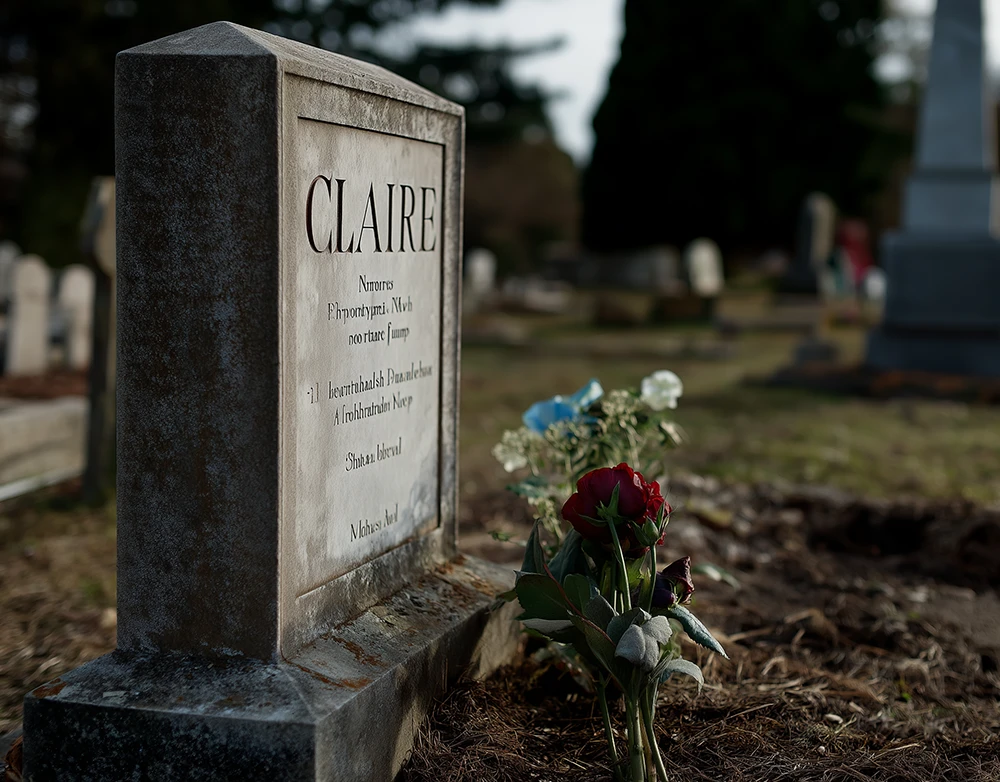
Choose typography that balances personality and legibility. Ornate script can feel elegant but may erode faster or become difficult to read. Serif fonts in moderate weight often age better. Ask to see mockups or templates before engraving begins. Check letter spacing and alignment carefully; uneven lines disrupt aesthetic harmony.
Designers may offer custom iconography or monograms. Small symbols like religious emblems, hearts, or stars can enrich meaning. Limit how many different icon styles you mix; coherence adds dignity. Avoid overly dense decorative borders that crowd or distract from main text.
Final Checks Before Installation
Once the design is settled, review a full mockup. Request a scale rendering or 3D view if offered. Verify all spellings, dates, punctuation, and accent marks. Confirm that the image placement is as expected. Inspect stone samples under daylight to see how color shifts under sun. Confirm that the memorial’s base is sized for proper drainage. Finally, agree on final delivery and installation timing, including foundation curing time.
Memorial Reflections
The journey of creating a personalized memorial etches a life in stone. Decisions made during that process echo into the future. Families who approach design with clarity, purpose, and attention to detail give future visitors a gift: a place where stories remain visible, memories find form, and respect endures.