Designing Interiors That Echo Natural Landscapes
Natural landscapes have a way of making a space feel settled, layered, and easy to spend time in. When you bring that influence indoors, the goal is not to…
Natural landscapes have a way of making a space feel settled, layered, and easy to spend time in. When you bring that influence indoors, the goal is not to copy the outdoors literally, but to translate its rhythm, tones, and textures into rooms that feel grounded and coherent. Good interior design does this by shaping atmosphere through colour, materials, scale, and visual balance.
Build the Palette From Real Landscapes
If you want an interior to echo natural landscapes, start with colours that already exist together in nature. Think of the muted greens of native foliage, the warm browns of bark and soil, the soft greys of stone, or the sandy tones found in coastal settings. These combinations usually feel balanced because they are drawn from environments your eye already reads as harmonious.
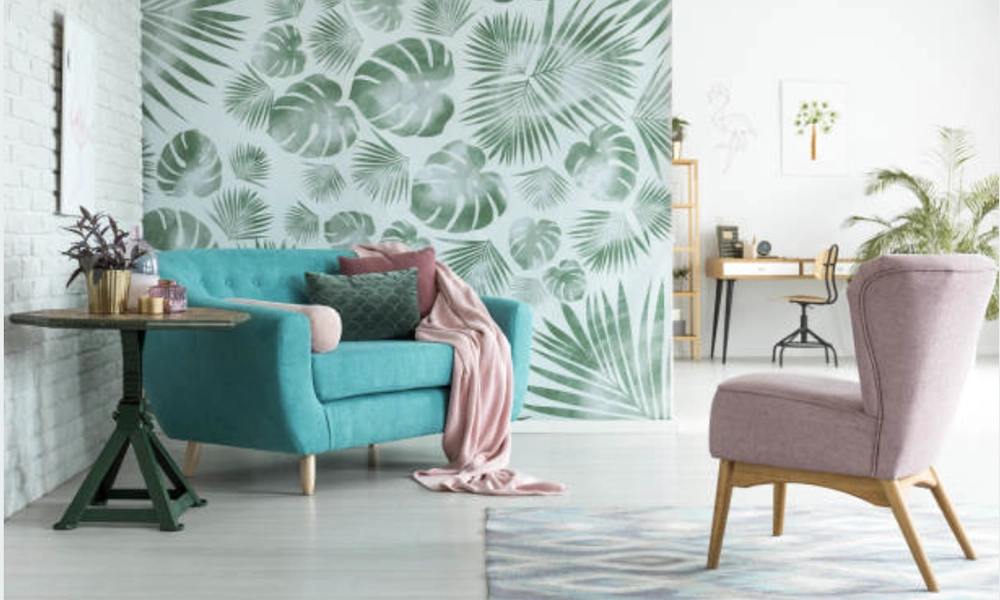
That same thinking applies to feature pieces. Adding a large range of botanical wall art prints, sculptural lighting, a textured rug, ceramic accents, or timber furniture can help tie the room more closely to its landscape influence. When these elements reflect tones, textures, and forms already present in the space, they feel integrated rather than distracting.
Use Texture to Add Environmental Depth
Landscapes are rarely defined by colour alone. What gives them depth is texture, and the same principle applies indoors. Timber grain, linen, wool, clay, stone, and aged metals all introduce variation that keeps a room from feeling flat or overly polished. These materials create a more tactile environment, which is often essential when you want a space to feel calm and believable rather than staged.
This is where materiality matters. A room that draws from nature should not rely on one dominant finish repeated everywhere. Instead, combine smoother and rougher surfaces in a controlled way, much like the contrast between rock, water, leaves, and earth in an outdoor setting. That layered approach gives the interior more visual credibility.
Let the Layout Follow Natural Flow
Natural landscapes do not feel rigid, and interiors inspired by them should avoid overly forced arrangements. Furniture placement should support movement, openness, and a sense of ease. This does not mean a room has to be informal, but it should feel intuitive to move through. Clear sightlines and sensible spacing help create that effect.
Curves, asymmetry, and soft transitions can also help a room feel less mechanical. You might use a rounded coffee table, a gently arched mirror, or an arrangement that avoids lining everything up too perfectly. These details echo the irregularity of natural settings without making the design look unfinished.
Layer Light Like It Changes Outdoors
Light is one of the strongest links between interiors and landscape. Outdoors, light shifts throughout the day, softening, brightening, and changing the way surfaces appear. Indoors, you can reflect that quality by avoiding a single harsh lighting source and instead using layered lighting that creates variation and mood.
Natural light should be used wherever possible, but artificial lighting also plays a major role. Wall lights, table lamps, and warm ambient fittings can help mimic the softer transitions found in nature. This layered method supports biophilic design, where the built environment is shaped to feel more connected to natural conditions and human comfort.
Keep Decorative Choices Selective
A landscape-inspired interior works best when decorative elements feel purposeful. Too many competing motifs, colours, or statement pieces can weaken the effect by making the room feel busy rather than grounded. The strongest schemes usually rely on restraint, where each item contributes to the overall atmosphere rather than demanding separate attention.
That means choosing fewer, better-considered objects. Ceramics, textured textiles, natural artwork, and sculptural forms often work well because they suggest landscape without spelling it out too literally. The aim is to create an impression of place, not a themed room.
Shape a Mood, Not a Replica
Designing interiors that echo natural landscapes is really about capturing qualities, not reproducing scenery. You are drawing on balance, softness, depth, and variation to make a room feel more connected to the environments people naturally respond to. When colour, texture, layout, light, and decoration all support that idea, the result is an interior that feels calm, resolved, and lasting rather than trend-driven.
Filed underNature, Home & garden sanctuary