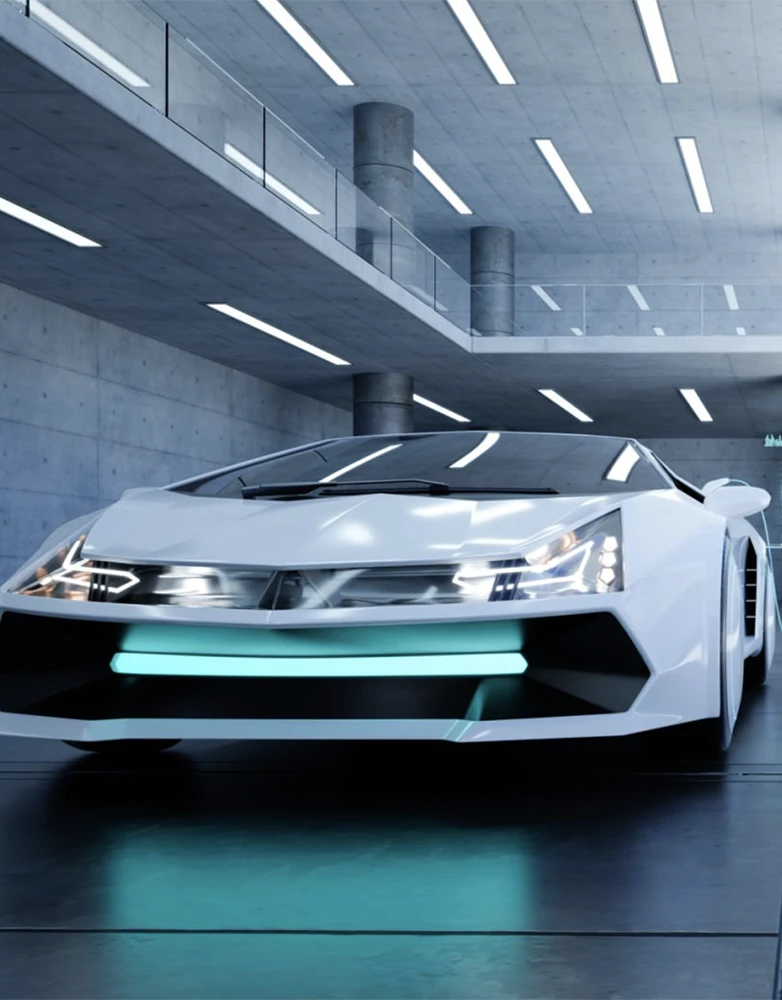
Young professionals are reshaping the luxury auto landscape fast. Instead of waiting until midlife, people in their late twenties and early thirties are stepping confidently into premium car ownership. Recent trends show Millennials and Gen X leading the luxury market, with Gen X buying at rates higher than their population share. This shift is powered by digital fluency, stronger eco-conscious values, and modern financial strategies that break from traditional Boomer-era thinking. The result? Younger buyers are redefining what luxury looks like, and when you’re “supposed” to enjoy it.
Who’s Actually Behind the Wheel Now?
The premium vehicle landscape barely resembles what it looked like ten years back. Younger folks are jumping into luxury ownership sooner, bringing priorities and shopping habits that caught traditional dealerships completely off guard.
Millennials Rewriting When “Success” Happens
That conversation about millennials buying luxury cars has done a complete 180. These shoppers, now squarely in their late twenties through early forties, aren’t pushing luxury off into some distant future the way older generations did. Here’s their logic: experiences and quality matter more than checking boxes like homeownership first.
Plenty put off starting families or decided kids weren’t their path, unlocking serious spending flexibility. Think about it, two incomes, zero dependents? That’s buying power their parents couldn’t touch at comparable ages. They’ve also made peace with extended financing that keeps monthly hits reasonable.
Gen Z’s Already Knocking on Premium’s Door
Gen Z may start with non-luxury cars, but many are stepping into premium models far earlier than expected. Career-established Gen Z buyers want seamless digital shopping, instant information, and brand authenticity. Social media heavily shapes their choices; one honest review can make or break their interest in a model.
Where Young Buyers Are Actually Purchasing
Texas has become an unexpected powerhouse for young luxury car buyers, with metros seeing remarkable spikes in premium sales. San Antonio’s luxury segment has blown up, fueled by the city’s exploding tech scene and that beautiful absence of state income tax. Younger professionals there are gravitating toward premium badges that deliver status without sacrificing practicality.
Dealerships, including mercedes san antonio are meeting this wave head-on by beefing up digital offerings and hand-picking inventory that speaks directly to tech-comfortable demographics. They’re rolling out virtual tours, doorstep delivery, and financing processes that match exactly how this generation wants to shop.
The Digital Revolution That’s Changing Everything
How do younger shoppers research and buy luxury vehicles? Completely transformed. They’re investing weeks online before stepping into a showroom—if they bother showing up at all.
Research Happens on Screens, Not Lots
Data shows 65% of car shoppers dig into their current vehicle’s trade value during the hunt. Young buyers? They take that ten steps further, devouring reviews, comparison content, and owner communities before pulling any triggers. They’ll burn hours building vehicles online, testing every paint and package combo imaginable.
VR showroom experiences aren’t gimmicks anymore—they’re baseline expectations. Shoppers want full interior walkthroughs, AR apps that drop vehicles onto their actual driveway, and granular specs available instantly. Social platforms like TikTok and Instagram function as primary research hubs now, with influencer takes carrying surprising weight.
Texting Replaced Phone Calls Years Ago
Text negotiations have murdered phone calls for most young shoppers. They’d rather chat via WhatsApp, SMS, or platform messaging than pick up the phone. Electronic document signing cuts dealership visits completely for some deals. Instant financing green lights through smartphone apps seal the mobile-first experience they expect.
Why Own When You Can Subscribe or Swap?
Traditional ownership leaves younger buyers cold—they value flexibility above everything else. They’re testing alternatives their grandparents never dreamed about.
Monthly All-Access Luxury Programs
All-inclusive monthly subscription deals from brands like Porsche and BMW are capturing real market share. These typically run $1,500 to $3,500 monthly, bundling insurance, maintenance, registration, everything. Members swap vehicles several times monthly, sampling different models without any long-term anchor.
Super-Short Leases Are Trending
Six to twelve-month lease structures offer that sweet spot between subscriptions and traditional three-year commitments. Young buyers love the freedom to pivot as their lives shift. Usage-based pricing lets them pay precisely for miles driven, nothing extra.
Electric Isn’t Future, It’s Right Now
Emerging trends in the luxury automotive industry increasingly orbit electrification. Young buyers aren’t casually interested in EVs, they’re demanding them.
How Fast Young Shoppers Are Going Electric
Gen Z and Millennials are claiming growing chunks of EV registrations. Tesla’s impact here? Absolutely game-changing, having completely rewired how people perceive luxury EVs. Traditional manufacturers’ electric lines like Mercedes EQ and BMW i are snagging buyers who want established badges with zero tailpipe emissions.
Environmental Values Actually Drive Decisions
Eco-consciousness genuinely shapes brand choices for younger shoppers. They investigate manufacturing ethics, supply chain openness, and corporate responsibility track records. Vegan leather cabins and sustainable materials aren’t bonus features; they’re make-or-break factors.
How They’re Actually Affording Premium Rides Earlier
Smart financing tactics are unlocking luxury ownership years ahead of previous timelines.
Creative Money Moves
Smaller down payments and stretched 72 to 84-month terms distribute costs across longer windows. Alternative credit models factor in rent history and utility payments, helping first-time luxury shoppers with thin credit files. Co-signer flexibility opens additional doors for younger purchasers.
The CPO Market’s Exploding
Three to five-year-old luxury vehicles deliver massive depreciation discounts while keeping premium appointments. CPO programs throw in warranty protection that calms worries about pre-owned reliability. Online CPO platforms with nationwide shipping blow past geographic barriers.
Breaking Down Your Options
| Option | Monthly Cost | Flexibility | Best For |
| New Purchase (72-mo) | $800-1,200 | Low | Long-term owners |
| CPO Purchase (60-mo) | $550-900 | Low | Value seekers |
| Subscription | $1,500-3,500 | High | Frequent changers |
| Short-term Lease (12-mo) | $650-1,100 | Medium | Commitment-averse |
The Bottom Line: This Is Just the Beginning
Younger generations aren’t tweaking luxury automotive ownership—they’re rebuilding it from scratch through digital-native behaviors, sustainability requirements, and creative financial approaches. They’re refusing to wait for traditional life checkpoints before claiming premium vehicle ownership.
Dealers and manufacturers who embrace these preferences, delivering seamless digital touchpoints, robust electric options, and innovative financing, will own this expanding market segment. The luxury automotive industry’s future belongs squarely to buyers demanding more convenience, sustainability, and customization than any generation that came before. And honestly? That future’s already here.
FAQs
1. At what age do millennials typically buy their first luxury car?
Most grab their first luxury vehicle between 27 and 35, averaging around 31 years old—way younger than previous generations who held off until their forties.
2. Do young buyers prefer leasing or buying luxury vehicles?
Roughly 65% of millennial and Gen Z luxury shoppers lean toward leasing or subscription models, prizing flexibility and tech updates over traditional ownership.
3. Which luxury brands attract the most young buyers?
Tesla absolutely crushes it among under-40 luxury shoppers with 42% market share, followed by BMW, Mercedes-Benz, and Audi, especially their electric and performance variants.