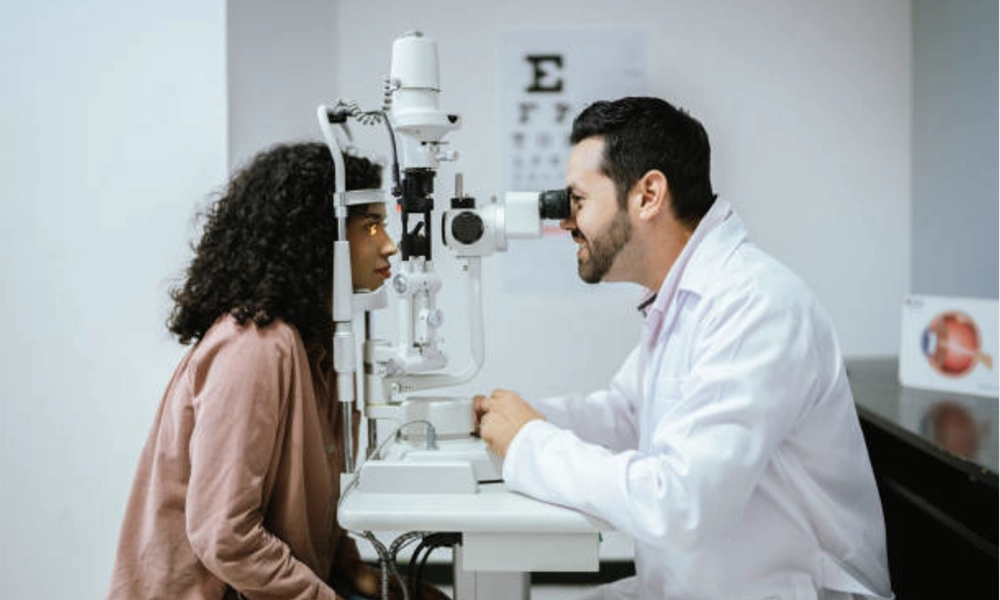
Eye Allergies: Are They Becoming More Common?
Are eye allergies becoming more common? Discover causes, symptoms, treatments, and expert tips to protect your eyes from pollen, pollution, and seasonal…
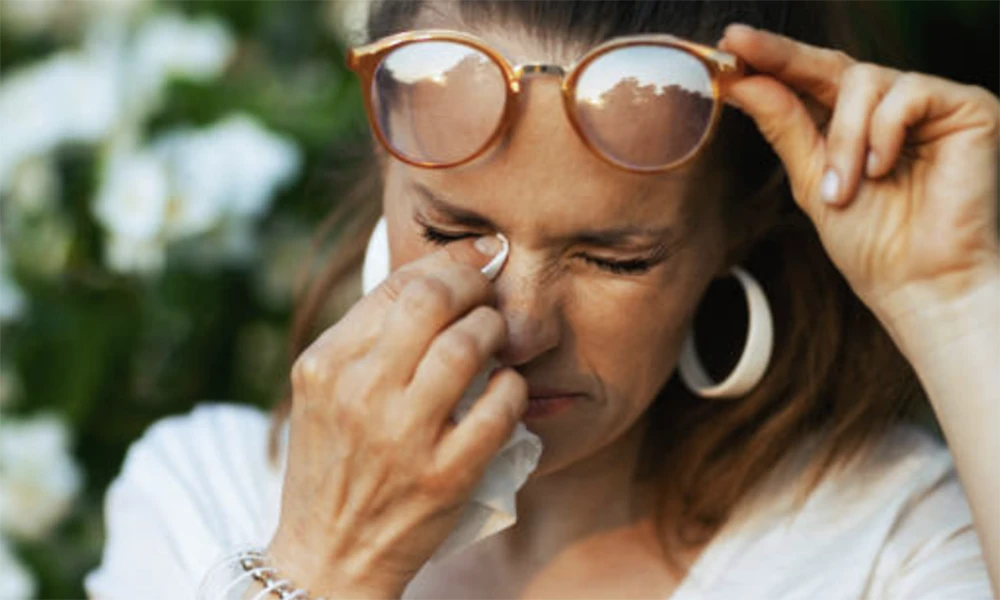
If your eyes have been feeling watery, itchy, and red more often, you are not alone. Eye allergies are on the rise across the UK, with increasing pollen levels, air pollution, and climate changes contributing to a growing public health concern.
For many people, this means more frequent and intense irritation—particularly during allergy season. Understanding the causes, symptoms, and treatments can help protect your eye health and improve daily comfort.
What Are Eye Allergies?
Eye allergies—also known as allergic conjunctivitis—occur when the eyes react to allergens such as pollen, dust, mould, or pollution. When these irritants come into contact with the eyes, the immune system releases histamine, triggering inflammation.
Common Symptoms of Eye Allergies
- Itchy eyes
- Redness
- Excessive watering
- Burning or stinging sensations
- Swollen eyelids
- Sensitivity to light
- A gritty feeling in the eyes
These symptoms can range from mild discomfort to persistent irritation that interferes with everyday life.
Why Are Eye Allergies Becoming More Common?
1. Air Pollution
Air pollution is a major contributor to rising allergy rates. Outdoor pollutants from traffic and industry, as well as indoor irritants such as dust mites, mould, cleaning products, and pet dander, can aggravate sensitive eyes.
Research indicates that air pollutants can bind to pollen, intensifying allergic reactions. They may also lower the threshold at which individuals react, meaning even small amounts of allergens can trigger symptoms.
2. Longer and More Intense Pollen Seasons
Climate change has extended the UK’s pollen season. It now starts earlier in the year—sometimes as early as March—and lasts longer, with higher concentrations of airborne allergens.
Key facts include:
- Nearly 49% of the UK population report experiencing hay fever symptoms.
- Studies suggest that hay fever cases have tripled over the past two decades.
This surge significantly increases the likelihood of itchy, watery, and irritated eyes.
3. Environmental and Lifestyle Triggers
Additional factors can worsen eye allergies, including:
- Warmer temperatures
- Increased UV exposure and sunlight
- Dehydration
- Swimming pool chemicals
- Poor sleep quality
- Prolonged screen use
Together, these triggers highlight the importance of proactive eye care.
Potential Eye Health Complications
Allergic Conjunctivitis
Allergic conjunctivitis is one of the most common complications of airborne allergies. It occurs when allergens irritate the conjunctiva—the thin membrane lining the eyelids and covering the white of the eye.
Symptoms include:
- Red, itchy eyes
- Burning or watering
- A gritty or sticky sensation
Styes
A stye is a bacterial infection affecting an eyelash follicle or gland near the eyelid. It appears as a painful, red lump that may contain yellow pus.
Key Facts:
- Styes often take up to two weeks to heal.
- Eye rubbing during allergy season increases the risk.
- They are rarely serious but can be uncomfortable and unsightly.
Blepharitis
Blepharitis is a common inflammatory condition responsible for around 5% of eye-related GP visits.
Types of Blepharitis:
- Anterior Blepharitis: Affects the base of the eyelashes and is often linked to bacteria or seborrhoeic dermatitis.
- Posterior Blepharitis: Involves inflammation of the meibomian glands, which produce the oily component of tears.
Symptoms include:
- Itching and irritation
- Crusts around the eyelashes
- Sore, swollen eyelids
- A gritty sensation in the eyes
How to Protect Your Eyes During Allergy Season
Taking early action can help soothe symptoms and prevent complications.
Expert Tips for Managing Eye Allergies
- Avoid rubbing your eyes.
- Wash hands regularly to minimise allergen exposure.
- Keep windows closed during high pollen days.
- Wear sunglasses outdoors to shield against pollen and pollution.
- Use a cold compress to reduce irritation.
- Stay hydrated to support tear production.
- Maintain good eyelid hygiene.
- Use lubricating or medicated eye drops when necessary.
Noel Wicks, Pharmacist and adviser to GoldenEye®, highlights the importance of prompt treatment to prevent symptoms from worsening.
Treatments for Eye Allergies
GoldenEye® offers a range of treatments designed to soothe irritation and manage common eye conditions.
GoldenEye® Eye Drops
These drops help soothe and treat infections. They contain propamidine isethionate, which works by stopping bacteria from growing and multiplying. They also possess antifungal properties. Always read the label.
GoldenEye® Eye Ointment
Suitable for conjunctivitis, styes, and blepharitis, this treatment contains dibrompropamidine isethionate and antiseptics to control bacterial growth. Always read the label.
GoldenEye® Antibiotic Eye Ointment
Designed for acute bacterial conjunctivitis in adults and children aged two years and over, this ointment contains chloramphenicol. It should be reserved for acute infections to help limit antibiotic resistance. Always read the label.
Frequently Asked Questions (FAQs)
Are eye allergies becoming more common?
Yes. Rising air pollution, longer pollen seasons, and climate change are contributing to increased cases worldwide.
What is the main cause of eye allergies?
The most common triggers include pollen, dust mites, mould, pet dander, and pollution.
When is eye allergy season in the UK?
Symptoms can begin as early as March and continue through late summer, depending on pollen levels.
Can eye allergies lead to infections?
Yes. Persistent irritation and eye rubbing can increase the risk of conditions such as conjunctivitis, styes, and blepharitis.
How can I relieve itchy, watery eyes quickly?
Cold compresses, lubricating eye drops, antihistamines, and avoiding allergens can provide relief.
Conclusion
Eye allergies are becoming increasingly common, driven by environmental changes, pollution, and longer pollen seasons. While symptoms can be uncomfortable, early intervention and proper eye care can help prevent complications and maintain long-term eye health.
By recognising triggers and choosing appropriate treatments, you can protect your vision and enjoy clearer, more comfortable eyes throughout the year.
Filed underEye health