Breathing is something most of us rarely think about—until it becomes difficult. One condition that can significantly impact breathing is fluid in lungs, a potentially serious health problem that occurs when excess fluid accumulates either inside the lungs or in the space surrounding them. This fluid buildup can interfere with the lungs’ ability to deliver oxygen throughout the body, leading to symptoms that range from mild discomfort to life-threatening respiratory distress.
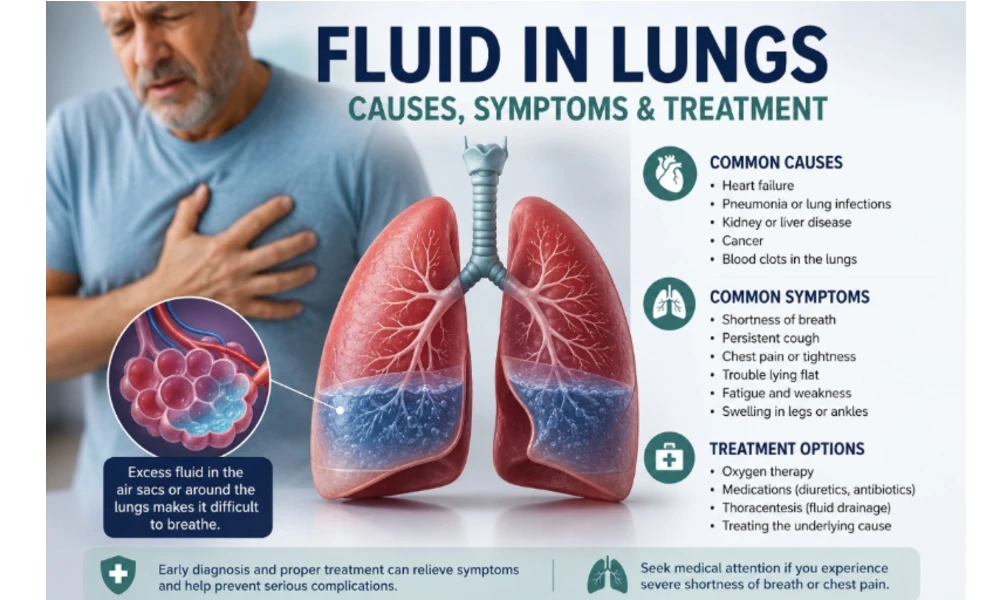
Whether caused by heart disease, infection, or another underlying condition, recognizing the warning signs early can make a significant difference in treatment outcomes. Understanding the causes of fluid in lungs, common symptoms, and available treatment options can help patients seek appropriate medical care before complications develop.
What Is Fluid in the Lungs?
The term fluid in lungs refers to an abnormal accumulation of fluid that affects normal lung function. This condition generally occurs in two forms:
Pulmonary Edema
Pulmonary edema develops when fluid collects inside the tiny air sacs (alveoli) of the lungs. These air sacs are responsible for exchanging oxygen and carbon dioxide. When they fill with fluid, breathing becomes increasingly difficult.
Pleural Effusion
Pleural effusion occurs when excess fluid builds up in the pleural space—the area between the lungs and the chest wall. This condition is often referred to as fluid around lungs and can place pressure on the lungs, limiting their ability to expand fully.
Although both conditions involve fluid accumulation, they affect different parts of the respiratory system and may require different treatment approaches.
Common Causes of Fluid in Lungs
There are numerous causes of fluid in lungs, ranging from heart conditions to infections and chronic diseases.
Heart Failure
Congestive heart failure is one of the leading causes of fluid buildup in the lungs. When the heart cannot pump blood efficiently, pressure increases in the blood vessels, causing fluid to leak into the lung tissue.
Pneumonia
Pneumonia is a lung infection that causes inflammation and can lead to fluid accumulation within or around the lungs. Severe cases may result in pleural effusion and significant breathing difficulties.
Kidney Disease
The kidneys help regulate fluid balance in the body. When kidney function declines, excess fluid may accumulate in various tissues, including the lungs.
Liver Disease
Advanced liver disease can affect the body’s ability to regulate fluids, contributing to fluid retention and pleural effusion.
Cancer
Certain cancers, particularly lung cancer, breast cancer, and metastatic cancers, can cause recurrent pleural effusion. In some cases, fluid accumulation may be one of the first signs of an underlying malignancy.
Pulmonary Embolism
A blood clot in the lungs can trigger inflammation and fluid buildup around the lungs.
High Altitude Exposure
People who rapidly ascend to high elevations may develop High-Altitude Pulmonary Edema (HAPE), a serious condition in which fluid accumulates inside the lungs due to decreased oxygen levels.
Symptoms of Fluid in Lungs
The symptoms of fluid in lungs can appear suddenly or develop gradually over time. The severity often depends on the amount of fluid present and the underlying cause.
Shortness of Breath
Difficulty breathing is the most common symptom. Many patients notice breathlessness during routine activities, while others may struggle to breathe even while resting.
Difficulty Breathing While Lying Down
Individuals with fluid accumulation often find it uncomfortable to lie flat and may need multiple pillows to sleep comfortably.
Waking Up Gasping for Air
Sudden nighttime episodes of severe breathlessness can occur, particularly in patients with heart-related fluid buildup.
Persistent Cough
A chronic cough may develop and sometimes produce frothy mucus. In severe cases, the mucus may contain traces of blood.
Chest Pain or Tightness
Many people experience chest discomfort or pressure, especially when taking deep breaths.
Fatigue and Weakness
Reduced oxygen delivery throughout the body can lead to low energy levels and persistent fatigue.
Swelling in the Legs and Ankles
When heart failure is involved, swelling in the lower extremities often occurs alongside breathing difficulties.
Understanding Pleural Effusion
Pleural effusion is one of the most common forms of fluid around lungs. Normally, a small amount of fluid exists within the pleural space to help the lungs move smoothly during breathing. However, when excessive fluid accumulates, it can compress the lungs and restrict normal respiratory function.
Pleural effusions are generally classified into two types:
Transudative Pleural Effusion
This type results from changes in pressure within blood vessels and is commonly associated with:
- Heart failure
- Kidney disease
- Liver cirrhosis
Exudative Pleural Effusion
This form develops due to inflammation or tissue damage and may be caused by:
- Pneumonia
- Cancer
- Pulmonary embolism
- Autoimmune diseases
Accurate diagnosis is essential because the appropriate pleural effusion treatment depends on the underlying cause and the severity of the condition.
How Doctors Diagnose Fluid in the Lungs
Healthcare providers use several tests to determine the cause and severity of fluid accumulation.
Physical Examination
Doctors listen for abnormal lung sounds and evaluate breathing patterns.
Chest X-Ray
A chest X-ray can identify fluid buildup and provide valuable information about its location.
CT Scan
A CT scan offers detailed imaging of the lungs and surrounding structures, helping physicians determine the cause of the fluid accumulation.
Ultrasound
Ultrasound imaging is often used to locate fluid and guide drainage procedures safely.
Thoracentesis
Thoracentesis involves removing a sample of fluid using a thin needle. The fluid is then analyzed to determine whether infection, cancer, or another condition is responsible.
Fluid in Lungs Treatment Options
The most effective fluid in lungs treatment depends on the underlying cause, the severity of symptoms, and the patient’s overall health.
Oxygen Therapy
Supplemental oxygen helps improve oxygen levels and reduce breathing difficulties.
Diuretics
Commonly known as “water pills,” diuretics help remove excess fluid from the body. They are especially useful in patients with heart failure.
Thoracentesis
When large amounts of fluid around lungs are causing symptoms, thoracentesis can provide immediate relief by draining the fluid.
Antibiotics and Antiviral Medications
If pneumonia or another infection is responsible, antimicrobial medications are used to eliminate the underlying infection.
Heart Medications
Patients with heart-related fluid buildup may require medications that improve heart function and reduce fluid retention.
Pleurodesis
For recurrent pleural effusions, especially those associated with cancer, physicians may recommend pleurodesis. This procedure seals the pleural space to prevent future fluid accumulation and is a common pleural effusion treatment option.
Surgical Treatment
In complex or severe cases, surgery may be required to address the underlying problem and prevent recurrent fluid buildup.
Patients experiencing persistent respiratory symptoms may benefit from comprehensive lung health services to identify the underlying cause and receive personalized treatment recommendations.
When Should You Seek Medical Care?
Because fluid accumulation in the lungs can become life-threatening, it is important not to ignore symptoms.

Seek immediate medical attention if you experience:
- Severe shortness of breath
- Sudden chest pain
- Blue or gray lips and fingertips
- Rapid breathing
- Persistent coughing with blood
- Confusion or dizziness
Early intervention often leads to better outcomes and reduces the risk of serious complications.
Conclusion
Fluid in lungs is a serious medical condition that can result from heart failure, infections, kidney disease, cancer, and other health issues. Whether the problem involves pulmonary edema or pleural effusion, recognizing the symptoms of fluid in lungs and understanding the causes of fluid in lungs can help patients seek timely care. Fortunately, modern medicine offers several effective fluid in lungs treatment options, ranging from medications and oxygen therapy to advanced pleural effusion treatment procedures. If you or a loved one develops symptoms suggestive of fluid around lungs, consulting a healthcare professional promptly is the best step toward recovery and improved respiratory health.
Author Bio
Lung & Sleep Health is dedicated to providing expert pulmonary and sleep medicine care through patient-centered treatment, advanced diagnostics, and comprehensive respiratory services. The practice helps patients better understand and manage a wide range of lung and sleep disorders through evidence-based care and education.
- About the Author
- Latest Posts

Our Editorial Team are writers and experts in their field. Their views and opinions may not always be the views of Wellbeing Magazine. If you are under the direction of medical supervision please speak to your doctor or therapist before following the advice and recommendations in these articles.