What if a loved one suddenly stops breathing or a friend gets hurt and needs help right away? Emergencies can happen at any moment, leaving no time to search for instructions.
Quick action can make the difference between life and death. Learning CPR and first aid skills provides the knowledge needed to act fast.
These skills are not just for medical professionals-they are for everyone. With proper training, anyone can step in and help.
This blog will guide you through the most important lifesaving techniques. Keep on reading!
Understanding the Basics of CPR
Heart and lung resuscitation, or CPR, is what you do when someone’s heart stops beating. To keep the blood and oxygen moving, chest compressions and rescue breathing are used together. This buys valuable time until help arrives from a professional.
With a few small changes, CPR can be done on adults, kids, and babies. It’s easier to stay calm and focused in an emergency if you know what to do ahead of time.
Performing Chest Compressions the Right Way
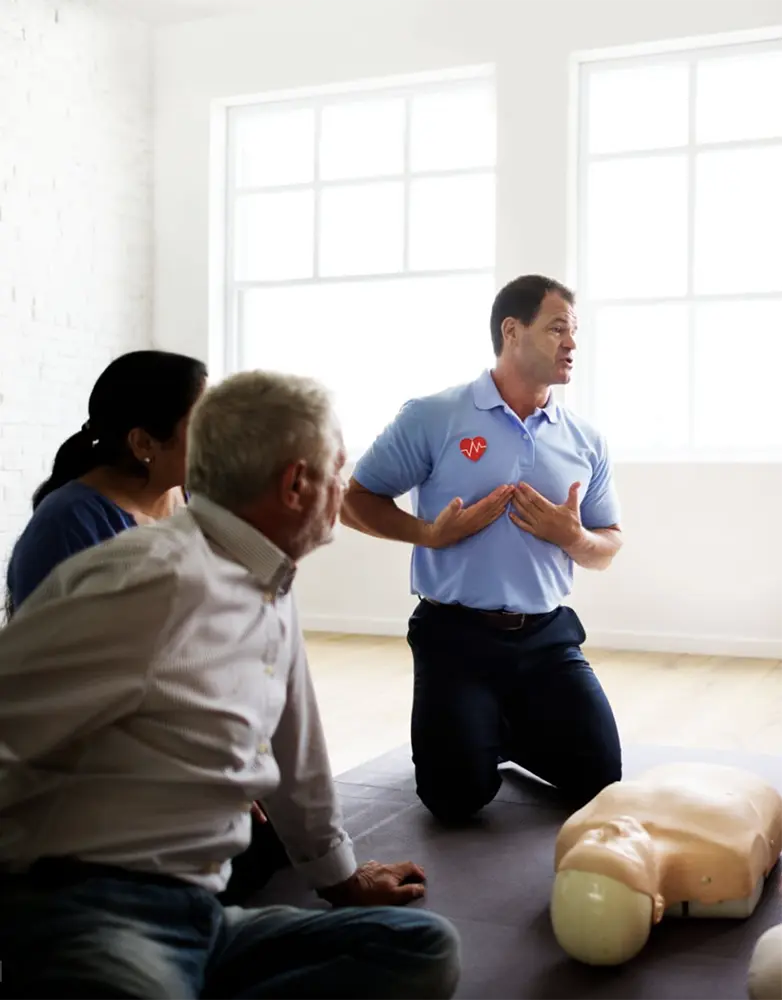
Chest compressions are the heart of CPR and must be done correctly. Hands should be placed in the center of the chest, pushing down firmly at least two inches for adults.
The rate should be about 100 to 120 compressions per minute, similar to the beat of a fast song. Each push should allow the chest to fully rise back before pressing again. Doing it right helps move oxygen-rich blood to the brain and other organs.
Rescue Breaths and When to Use Them
Rescue breaths provide oxygen when a person is not breathing. To give a breath, tilt the head back slightly, pinch the nose, and seal the mouth over theirs.
Blow just enough air to see the chest rise. Two breaths are given after every 30 chest compressions in standard CPR. In some cases, like with untrained rescuers, hands-only CPR is still better than doing nothing.
Essential First Aid for Cuts and Wounds
Knowing how to care for cuts and wounds can prevent infection and further injury. The first step is to wash your hands and stop the bleeding by applying gentle pressure.
Once the bleeding stops, clean the wound with mild soap and water. Apply an adhesive bandage or sterile dressing to protect it. Always seek medical help for deep or dirty wounds.
Helping Someone Who Is Choking
A choking person may clutch their throat, have trouble speaking, or make high-pitched sounds. If they can’t breathe or cough, the Heimlich maneuver can save their life.
Stand behind them, wrap your arms around their waist, and press inward and upward just above the belly button. Repeat until the object is expelled or the person becomes unresponsive. If they lose consciousness, begin CPR immediately.
Why Training and Certification Matter
Hands-on training ensures that lifesaving skills are done correctly when it counts. Practice helps build muscle memory, making it easier to respond under pressure.
Certification courses also teach the latest safety updates and techniques. They are widely available in local communities and online. For trusted options, visit https://cprcertificationnow.com/collections/cpr-and-first-aid-certifications to explore valuable training programs.
Learning Vital CPR and First Aid Skills To Respond in Emergencies
Knowing how to do CPR and first aid is very helpful and can produce big results in times of trouble. They give people the confidence to act quickly when someone’s life is in danger.
Every action, like pressing on the chest or stopping the bleeding, is important. You will be ready for anything if you take the time to learn and practice these skills.
Did you like this guide? Great! Please browse our website for more!