Look inside your bathroom cabinet. Now look in your refrigerator. You might find something surprising. Both places hold products made by tiny living factories. These products come from yeast and bacteria. They were designed by humans. They were built gene by gene. This is not a futuristic dream. It is happening right now. The stuff we use every day is changing. Science is making it better. It is also making it kinder to the planet. Let us explore how.

The Science of Redesigning Life
Nature is full of amazing molecules. Plants make them. Animals make them. Microbes make them. But getting these molecules is hard. Sometimes we destroy forests to find them. Sometimes we hurt animals to collect them. There is a better way. Scientists learned to copy nature’s recipes. They put these recipes into tiny organisms. Yeast and bacteria become living factories. This field is called synthetic biology. It lets us make things without hurting nature. We grow ingredients in big tanks instead. The results end up in products we use daily.
Your Yogurt Got an Upgrade
Gut health is a big deal now. People want happy stomachs. They want good digestion. Probiotics help with this. These are live bacteria that benefit your body. But not all probiotics are equal. Some die before reaching your gut. Stomach acid kills them. New probiotics are tougher. Scientists engineered them to survive. They added special coatings. They chose hardier strains. These improved bugs make it through. They settle in your intestines. They crowd out bad bacteria. They boost your immune system. Your morning yogurt now does more than taste good.
Better Vitamins from Bugs
Vitamins keep us healthy. We get them from food or pills. But making vitamins traditionally uses harsh chemicals. It creates pollution. It consumes energy. Synthetic biology offers a cleaner path. Companies now brew vitamins like beer. They feed sugar to engineered yeast. The yeast produces vitamin B12. Or vitamin D. Or riboflavin. This process is gentle. It uses less water. It creates less waste. The vitamins are identical to natural ones. Your body cannot tell the difference. Your multivitamin might come from a fermentation tank. It works just as well.
The Chocolate Problem Solved
Chocolate lovers face a crisis. Cocoa farms struggle with disease. Climate change hurts harvests. Demand keeps growing. Scientists found a solution. They make cocoa butter without cocoa. They put cocoa genes into yeast. The yeast produces the exact same fat. It tastes the same. It melts the same. It bakes the same. Chocolate companies use this in their products. It takes pressure off rainforests. It ensures steady supply. Your favorite chocolate bar might contain lab-grown cocoa butter. You would never know. It is that good.
Moo-Free Milk on Shelves
Milk is complicated. Some people cannot drink it. Some choose not to. But they miss cheese and yogurt. Dairy farming also has environmental costs. Cows produce methane. They need lots of land and water. Now we have another option. Scientists took cow genes. They put them into yeast. The yeast makes real milk proteins. Mix these with water and plant fats. You get real milk. No cows involved. This milk makes cheese that melts. It makes yogurt that tastes right. It has the same nutrition. It sits on store shelves next to regular milk. It is changing how we think about dairy.
Skincare That Grows Itself
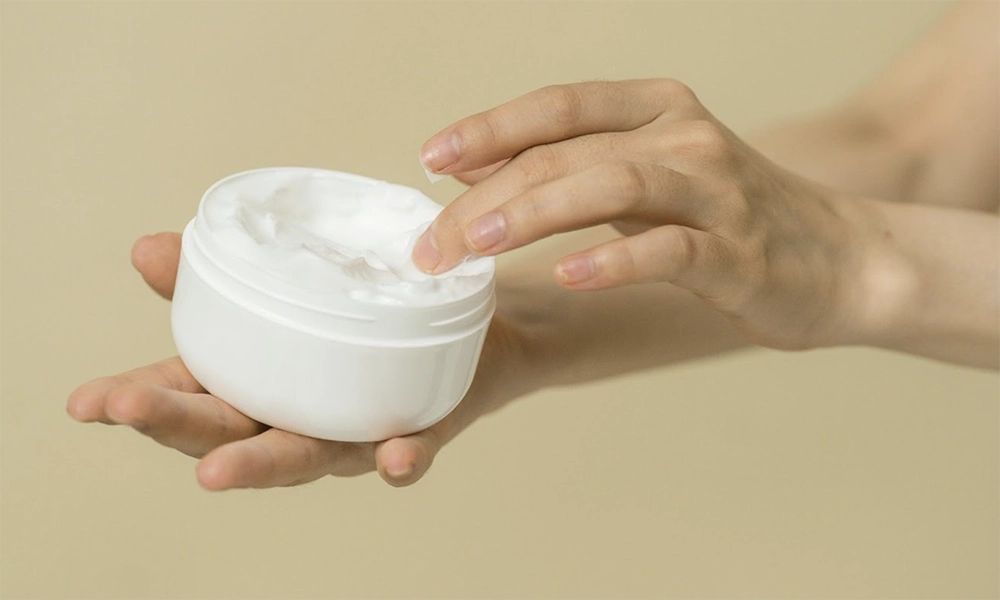
Your face cream might contain interesting ingredients. Some come from deep oceans. Some come from rare plants. Harvesting them damages ecosystems. Synthetic biology fixes this. Companies now grow skincare ingredients in labs. They make squalane from sugarcane instead of shark liver. They make retinol from yeast instead of chemicals. They make collagen without animals. These ingredients are pure and consistent. They work just as well. Your skin does not care where they came from. But the planet does.
Meat without the Animal
Burger lovers have new options. Plant-based meats are everywhere. But some want the real thing without the animal. Scientists grow meat in labs now. They take a few cells from a cow. They feed these cells in big tanks. The cells multiply into real meat. No slaughter needed. No methane produced. Less land and water used. This meat cooks like regular meat. It tastes like regular meat. It is real meat. Some restaurants already serve it. Soon it might be in grocery stores. Your dinner could change forever.
Natural Colors from Microbes
Food coloring has a bad reputation. Some artificial dyes cause problems. People want natural alternatives. But natural colors are hard to make. They fade quickly. They cost too much. Microbes solve this. Scientists engineered yeast to produce vibrant colors. Bright reds come from fermented sugar. Deep blues come from bacteria. These colors are stable. They are safe. They are natural. Food companies use them in candies and drinks. Your kids’ snacks might be colored by microbes. They look bright and fun. They are better for everyone.
Fragrance without Flowers
Perfumes often come from rare flowers. Harvesting them takes land and labor. Some flowers are endangered. Synthetic biologists found a workaround. They put flower genes into yeast. The yeast makes the exact scent molecules. Rose oil without roses. Jasmine without jasmine. Vanillin without vanilla beans. These scents are identical to natural ones. Your nose cannot tell. Perfume companies use them. They save money. They save resources. They protect rare plants. Your favorite fragrance might be grown in a lab. It still smells like a garden.
The world of everyday products is transforming. Synthetic biology makes this possible. It creates ingredients without harming nature. It makes things cheaper and more consistent. It opens doors we never imagined. From your morning yogurt to your evening face cream, these innovations touch your life. You might not see them. You might not know they are there. But they are working. They are making your world better. One tiny cell at a time.