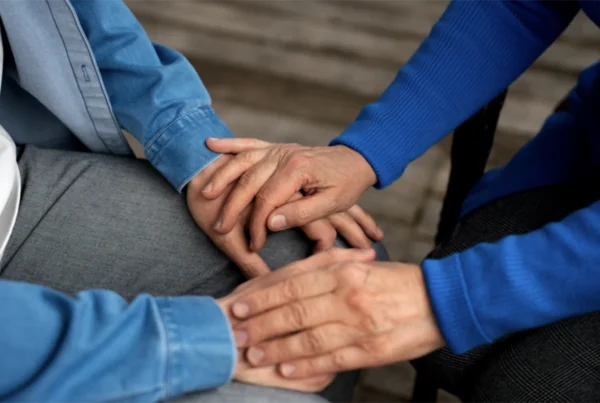
There’s a story a lot of people carry around quietly, tucked between obligations, behind work smiles, or beneath the surface of a seemingly normal day. It’s the one about drinking more than you meant to—again. The pills you told yourself were temporary. About using something to take the edge off until the edge became the only thing you could feel. For many, the hardest part isn’t the substance, it’s the shame of using them.
Shame is loud in its silence. It convinces people they’re too far gone, or not “bad enough” yet. It loves a loophole, thrives on comparisons, and tells you stories about failure dressed up as facts. But that weight doesn’t have to stay yours. Not now. Not with the kind of help that’s available today—and not when the cost of waiting keeps growing higher. The shift doesn’t start with fixing everything. It starts by not hiding anymore.
What You Think It Looks Like vs. What It Really Is
If your mental image of addiction help still involves a sterile hospital room or a Hollywood-style intervention, that picture could use an update. The modern approach to substance use recovery is more nuanced, more compassionate, and far more personalized than most people realize. Gone are the days when getting help meant disappearing from your life and returning weeks later with the weight of everyone’s questions.
Today, care options can flex around your reality. You can live at home and keep working while getting support. You can speak to someone in real time without sitting in a fluorescent office. And you can be struggling while still functioning—because functioning doesn’t mean fine. High-achievers, parents, healthcare workers, business owners, college students—no one has immunity. If anything, the ability to keep juggling makes it even easier to delay getting help. But addiction doesn’t care about your calendar. And thankfully, help doesn’t require you to blow everything up first.
The Laws Are Changing—And So Is the Culture
In the past, fear of judgment and legal consequences kept people quiet. But something’s shifted. More states are passing protections that prioritize recovery over punishment. More doctors are trained to spot early signs and treat them without moralizing. And while we’re not fully there yet, the cultural conversation has softened in all the right places. You no longer need to whisper about getting help. You can say it out loud and be met with support.
It helps to know where you stand legally too. Understanding California, Florida, West Virginia alcohol laws, wherever you live can give you some clarity on what your rights are if you do seek treatment. That kind of knowledge doesn’t just remove obstacles, it removes fear. A lot of people worry they’ll lose a job, custody, or credibility by coming forward. But those outcomes are far less likely than the reality of continuing down a path that isolates you from the life you actually want.
You’re Not “Too High Functioning” for This
One of the most common reasons people put off treatment is the belief that they’re doing well enough. You haven’t lost your house, your job, or your kids. You’re still showing up. Maybe no one knows anything’s wrong. Maybe even you aren’t sure anything is wrong. But here’s the thing—substance use doesn’t have to destroy your life before it starts stealing parts of it.
You can be productive and still be numbing out. You can be present and still be disconnected. High-functioning addiction is a quiet thief. It doesn’t shout. It just chips away—at your sleep, your clarity, your confidence, your relationships. And while things may not be falling apart yet, you know when they’re not exactly right. That low hum of unease? That’s worth listening to. Because catching it now means you can rebuild without losing everything first. That’s not a weakness. That’s wisdom.
There’s No One-Size-Fits-All Treatment Anymore
Old ideas about recovery used to sound like ultimatums: You either go away for 30 days, or you’re not serious. You either hit rock bottom, or you’re not ready. But today’s care isn’t built on extremes. It’s built on options. You can start with a conversation. You can choose an outpatient program that fits into your day. You can get matched with a provider who treats your history, not just your habits.
There are support teams who know how to untangle co-occurring issues like anxiety, trauma, or depression that might’ve been fueling the addiction in the first place. There are plans that adjust as you grow. There are even luxury rehab settings that don’t feel clinical at all—designed to reduce stigma by making care feel human, dignified, and even restorative.
Most importantly, there’s no single right time or method. There’s just the moment you stop waiting for perfect circumstances and start choosing the help that works for you.
You Deserve Help Without Apology
There’s no moral prize for toughing it out alone. No trophy for pretending everything’s fine. And there’s certainly no benefit to putting off support just because someone else might have it “worse.” Pain doesn’t need a hierarchy. You’re allowed to want better without things being catastrophic. In fact, that’s the best time to reach out.
The shame that’s kept people quiet for generations is losing its grip. Every person who speaks up, who shares their experience, who reaches out early instead of late, chips away at the outdated idea that getting help is something to hide. The new truth is quieter, but it’s stronger: you’re not broken, you’re human. And humans aren’t meant to carry this stuff alone.
Taking the First Step Forward
The world has changed. Help doesn’t mean vanishing into a facility, whispering your story to strangers, or rebuilding from absolute zero. It can mean one call. One conversation. One small yes to something different. Whatever you’ve been carrying, you don’t have to keep holding it by yourself.
- About the Author
- Latest Posts

Our Editorial Team are writers and experts in their field. Their views and opinions may not always be the views of Wellbeing Magazine. If you are under the direction of medical supervision please speak to your doctor or therapist before following the advice and recommendations in these articles.