
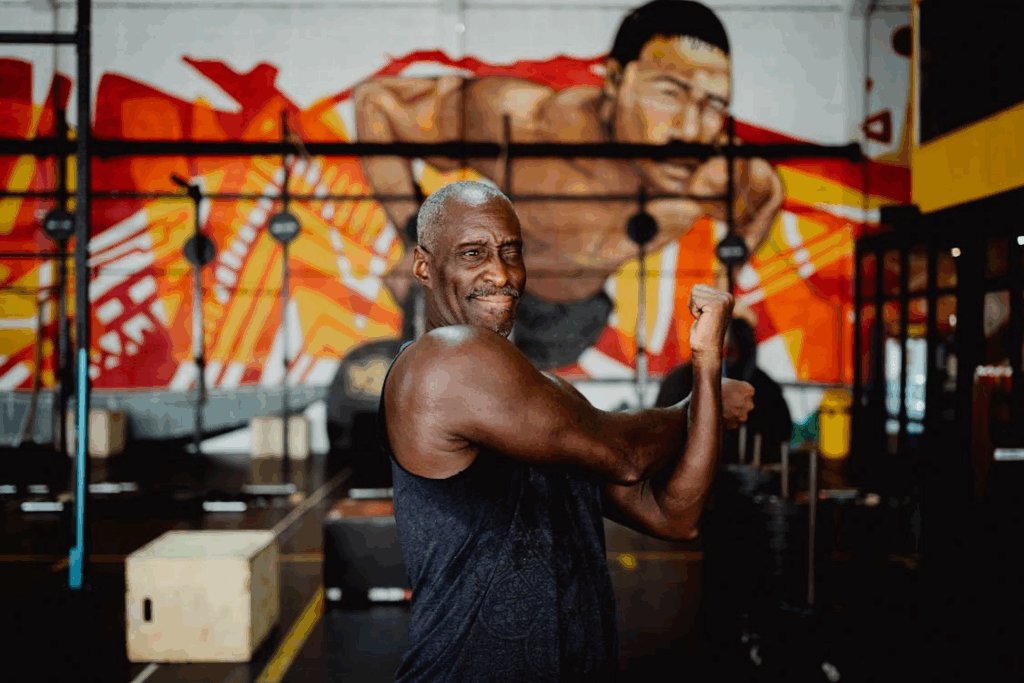
Residents in Clarksville value active lifestyles, and many locals see fitness as a foundation for long-term health. The community supports a growing interest in strength training because people want routines that build durability rather than short bursts of progress. Conversations in local gyms often highlight how consistent training improves daily movement, reduces discomfort and strengthens confidence. Coaches guide members toward simple principles that support aging with energy and stability. This approach encourages people to view strength not as an aesthetic pursuit but as a lifelong skill. That perspective sets a strong stage for understanding why muscle development shapes healthy aging more than any other factor.
1. Strength as the Cornerstone of Longevity
Strength training creates a powerful base for every physical function. Muscles support joints, improve balance and allow bodies to handle daily demands with less strain. Strong individuals move confidently because their bodies respond quickly and efficiently. This confidence reduces the likelihood of injuries and encourages people to stay active through every decade of life. Strength also stimulates bone growth and keeps bones dense. That density protects the body during slips or unexpected impact. When people commit to building and maintaining muscle, they gain an advantage that no supplement or short-term routine offers. Strength becomes the most reliable predictor of long-term vitality.
2. Community Support and Accessible Training Options
Clarksville residents appreciate fitness spaces that feel welcoming. Many locals build steady routines because supportive environments motivate them to stay consistent. Crunch Fitness Clarksville fits that need by offering approachable coaching and equipment that simplifies strength development. Trainers encourage steady progress rather than rushed results. This guidance helps members understand how targeted exercises strengthen the core, stabilize the hips and protect the spine. People in the city often talk about how accessible training boosts commitment. That mindset increases the likelihood of long-term consistency. When fitness feels like part of everyday life, strength naturally follows and continues to grow.
3. Muscle Mass and Its Direct Link to Healthy Aging
Muscle mass drives physical independence as people age. Strong muscles allow individuals to carry groceries, climb stairs and move freely without strain. Strength also improves metabolic health because muscle tissue burns more energy than fat. That efficiency supports steady blood sugar levels and lowers the risk of chronic conditions. Strong muscles protect the body during quick movements or unexpected shifts in balance. Training sessions that challenge major muscle groups reinforce stability and coordination. Adults who maintain muscle mass often report sharper confidence, improved posture and better daily performance. This combination creates a reliable foundation for long-term health.
4. Strength Training and Cognitive Benefits
Strength training enhances more than physical capability; it also supports clear thinking. Regular training improves circulation, which brings oxygen-rich blood to the brain. Better circulation strengthens focus, memory and reaction time. Many adults notice that workouts help them maintain calm, regulate stress and sharpen decision-making. Strength sessions also build discipline because they require consistency and attention to technique. This mental engagement supports resilience in both personal and professional settings. When people challenge their bodies with purposeful resistance, they stimulate the mind as well. The combined physical and cognitive benefits contribute to a healthier, more vibrant aging process.
5. Injury Prevention Through Stronger Movement Patterns
Strength training reinforces proper movement patterns that protect the body from injuries. When major muscle groups grow strong, joints track smoothly and motions stay controlled. Strong hips reduce lower back strain, while strong shoulders protect the neck and upper spine. Balanced muscle development keeps the body aligned during walking, lifting or exercising. Strength-focused routines prepare people for unexpected slips or quick directional changes by improving stability and control. Many adults discover fewer aches as their bodies learn to move correctly. These benefits build confidence. People feel more secure in daily activities because strong muscles support safer, more efficient movement.
6. The Role of Strength in Metabolic Stability
Strong muscles regulate metabolic health with remarkable consistency. Muscle tissue uses energy efficiently, which keeps blood sugar levels steady throughout the day. Strength-focused routines increase this efficiency because each rep forces the muscles to work, repair and grow. That cycle improves insulin sensitivity and supports long-term cardiovascular wellness. People who maintain strong muscles often find it easier to manage their weight because their bodies burn energy even during rest. This stability lowers the risk of age-related metabolic issues and helps individuals stay energized. When metabolism remains steady, daily activities feel easier, and long-term health becomes far more attainable.
Strength training stands as the most dependable predictor of healthy aging because it supports every major aspect of life. Strong muscles protect joints, enhance balance, improve metabolism and sharpen mental clarity. They help individuals avoid injuries, maintain independence and move confidently through daily tasks. Strength routines also support emotional stability, hormonal balance and long-term vitality. When people commit to building and maintaining their strength, they invest in a future defined by resilience rather than limitation. This commitment ensures that aging becomes an active, engaging experience filled with energy, capability and steady confidence.
- About the Author
- Latest Posts

Our Editorial Team are writers and experts in their field. Their views and opinions may not always be the views of Wellbeing Magazine. If you are under the direction of medical supervision please speak to your doctor or therapist before following the advice and recommendations in these articles.