
Being involved in a car accident can lead to various physical and emotional struggles that require attentive care and healing. Every year in New York City alone, statistics show that more than 100,000 motor vehicle collisions occur, according to the New York State Comptroller, which is a significant number for such a condensed area. This article outlines essential ways to nurture your well-being in the wake of such an event. Emotional and physical health should be prioritized to ensure a comprehensive recovery journey.
1. Prioritize Medical Attention
Immediately following an accident, it is crucial to seek medical care, even if you feel fine. According to the Office of the New York State Comptroller, the frequency of motor vehicle collisions highlights the need for consistent medical evaluations post-incident. Many injuries may not manifest immediately, so a thorough assessment is vital for your long-term health. Ensure that you document all your medical findings for any potential legal matters or insurance claims. Taking this step not only aids in physical recovery but also contributes positively to your peace of mind.
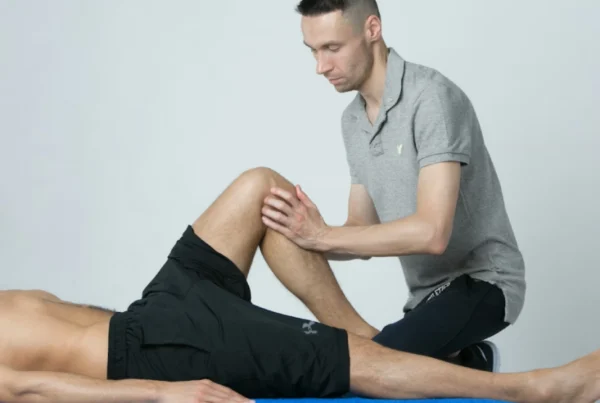
After a careful medical evaluation, you might be referred to specialists for further treatment. This could involve physical therapy sessions or consultations with orthopedic doctors, depending on the injuries sustained. Being proactive in obtaining follow-up care helps prevent chronic conditions that can stem from untreated injuries. Making these appointments a priority will build a foundation for your healing process. Remember that your body deserves the best attention as you recover.
2. Engage in Mental Health Support
Recovering from a car accident is not solely about addressing physical injuries; mental well-being plays a significant role too. Experiencing trauma can result in anxiety, depression, or even PTSD, necessitating professional support. Seeking counseling allows you to express your feelings and fears in a safe and constructive environment. Many therapists specialize in trauma recovery, providing tailored strategies to help you rebuild your mental resilience. Your emotional health is just as important as your physical recovery.
In addition to professional therapy, consider joining support groups. Connecting with others who have gone through similar experiences fosters a sense of community and understanding. Sharing stories can be cathartic and beneficial in recognizing that you’re not alone in your feelings. Moreover, these groups often share coping techniques that can be helpful as you navigate your recovery journey. By prioritizing mental health, you can enhance your overall healing process.
3. Establish a Healthy Routine
Creating a structured daily routine can help restore a sense of normality after a traumatic event. Health experts agree that maintaining a consistent schedule aids in emotional stability, allowing survivors to regain control over their lives. Incorporate plenty of water and nutritious meals into your diet to support healing; your body needs essential nutrients to recover. According to Field Camp, in the United States, Americans use around 88 gallons of water every day in their homes. Drinking plenty of water can help with your body’s healing process.
Exercise also plays a critical role in recovery and should be included in your daily routine, as permitted by your healthcare professionals. Physical activity releases endorphins, which can naturally elevate your mood and reduce feelings of anxiety. Even light exercises, such as walking or gentle stretching, can substantially improve your well-being.
4. Allow Time for Healing
Healing after a car accident is a process that varies from person to person; patience is essential. It’s important to recognize that both physical and emotional recovery can take time and may not follow a linear trajectory. Allowing yourself the grace to heal, without rushing the process, can lead to more effective outcomes. Those involved in major accidents may require more extended periods for full recovery, something that is essential to acknowledge. Remaining compassionate to yourself will help ease frustration during this transition.
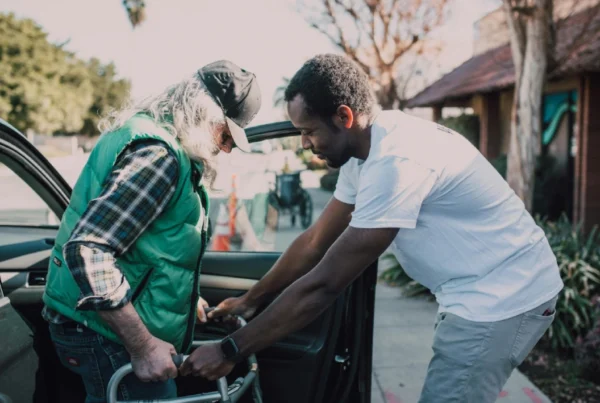
According to Grand View Research, there are about 310 million major surgeries performed globally every year. If you need surgery after a car accident, it’s important to listen to your body’s signals and respect its limits when you’re healing, which may include modifying activities or asking for assistance. Understanding that it’s okay to rely on others while healing can promote positive interactions with family and friends. Being open about your limitations fosters a support system that encourages your recovery.
5. Monitor Insurance and Legal Matters
Following an accident, ensuring that you address any insurance or legal concerns is crucial as it can impact your recovery. Transport accidents can lead to financial burdens, and having everything organized will alleviate some stress during your healing process. Communicate with your insurance provider promptly to understand what services or benefits are available to you. Keeping thorough records of your medical treatments and expenses will facilitate smoother interactions with your insurer. This preparation can help ensure that you receive the needed support for your recovery.
If there are grounds for a legal case arising from the accident, consult with a reputable personal injury attorney. They can provide valuable guidance on your rights and what compensation you may be entitled to. The legal process can be daunting, hence having professional help can be comforting and beneficial. Don’t hesitate to ask questions; a clear understanding of the process will empower you as you navigate through it. Your focus should remain on your health and recuperation.
6. Rebuild Your Confidence
After experiencing a car accident, rebuilding your confidence is vital in your healing journey. Many may face feelings of insecurity, especially when considering driving again. Take the time to process these emotions and seek supportive environments that nurture self-assurance. Through small, incremental steps, you can reclaim confidence in both your physical abilities and decision-making. Foster a positive mindset by setting achievable goals, marking progress along the way.
Participating in driving lessons or familiarizing yourself with the vehicle can aid in alleviating anxiety related to driving. Under the supervision of a trusted friend, you might find comfort in reacquainting yourself with the experience. The gradual exposure can help reduce fear and bolster confidence in your ability to navigate on the road again. Sometimes, talking through these experiences with a professional can further ease your concerns. With time and practice, regaining your confidence is entirely within reach.
7. Maintain Open Communication
Throughout your recovery journey, engaging in open communication with your support system is crucial. Sharing your feelings, concerns, and progress with family and friends can foster understanding and connection. This dialogue allows loved ones to offer the appropriate support and assistance needed during tough times. Many find that simply voicing their emotions can lighten their emotional burden. Regular conversations about your experiences can help you process what you are going through.
Further, maintaining dialogue with medical professionals provides valuable insights into your recovery plan, ensuring that you feel heard and understood. Don’t hesitate to ask questions or voice concerns regarding your treatment; transparency is essential in fostering strong medical relationships. Keeping these lines of communication open can help customize your recovery journey more effectively. Your care team is invested in your health and healing and seeks to provide the best assistance possible.
8. Focus on Future Goals
As you heal, it’s essential to begin envisioning your future. Utilizing the experience from the accident as a platform for growth can foster a positive mindset. Focus on setting realistic goals that inspire you to aim for a better tomorrow. For example, exploring new hobbies or interests can invigorate your life post-recovery. Your life after healing can include new opportunities where you embrace change and seek growth.
Healing after a car accident is a multi-faceted process that encompasses both physical and emotional recovery. By prioritizing medical attention, seeking mental health support, and creating a healthy routine, you can facilitate your healing journey. Establishing open communication and focusing on future goals will significantly impact your recovery experience. Remember that every small step contributes to greater resilience, and your health is ultimately a journey towards renewal. Taking care of yourself after an accident is both an act of self-love and a necessary path toward revitalization.