How Oral Health Affects Your Overall Wellbeing: The Mind-Body Connection
Most of us think about our teeth in a fairly narrow way. We brush, we floss (some days more than others), and we book the occasional cleaning.
Most of us think about our teeth in a fairly narrow way. We brush, we floss (some days more than others), and we book the occasional cleaning. The mouth gets treated as its own little department, sealed off from the rest of the body. But that separation is mostly a habit of how we talk, not how biology actually works.
Your mouth is one of the busiest border crossings in the body. Everything you eat passes through it. So does a fair amount of bacteria, both the helpful and the harmful kinds. And what happens there rarely stays there. The idea that oral health is somehow cosmetic, a matter of appearance and fresh breath, undersells how deeply it's wired into the way you feel day to day.
The Body Listens to Your Mouth
Researchers have spent years looking at the link between gum disease and conditions you'd never think to connect to your teeth. Heart disease is the big one. When gums become chronically inflamed, the bacteria involved don't always politely stay put. They can enter the bloodstream, and the low-grade inflammation in the gums appears to track alongside inflammation elsewhere in the body, including the arteries. Nobody is saying brushing prevents a heart attack. But the association is consistent enough that cardiologists and dentists have started paying attention to each other's work.
Diabetes has a two-way relationship with oral health that surprises a lot of people. High blood sugar makes gum infections more likely and harder to heal. Gum infections, in turn, make blood sugar harder to control. It's a loop, and breaking it at the dental end can genuinely help the rest of the picture. People who get their gum disease under control sometimes find their blood sugar becomes a little easier to manage too.
There's also growing interest in the connection between oral bacteria and the brain. The science is still young, and nobody is claiming flossing prevents dementia. But the pattern of findings is enough that scientists keep digging. The takeaway isn't alarm. It's simply that the mouth is plugged into systems far beyond itself.
Stress Shows Up in Your Teeth
Here's something dentists see constantly: people who are under pressure grind their teeth. Often at night, often without any idea they're doing it. They wake up with a sore jaw, maybe a dull headache, maybe a clicking sound when they open their mouth, and no clue why. Over months and years, that grinding wears enamel down, flattens the chewing surfaces, and can crack teeth outright.
So the mouth becomes a kind of readout for what's happening in your nervous system. A tense stretch at work, a hard year personally, a habit of clenching when you concentrate, all of it can leave physical marks on your teeth. That's the mind-body connection in its most literal, undeniable form. Your emotional state writes itself into enamel.
What Your Smile Does for Your Head
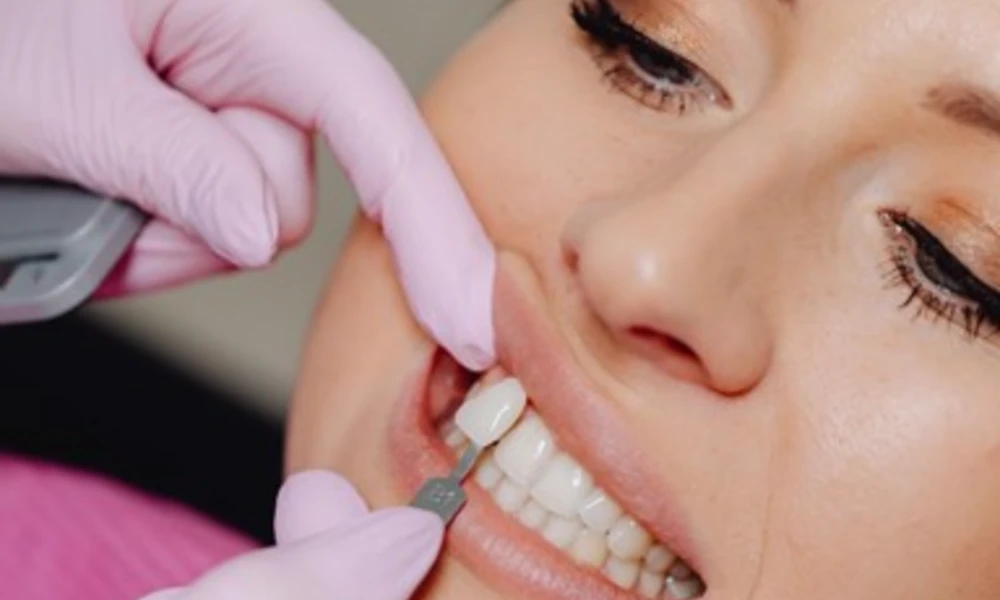
The connection runs the other direction too. People who feel self-conscious about their teeth often hold back in small, cumulative ways. They smile with their mouth closed. They cover their mouth when they laugh. Some avoid photos altogether, or untag themselves afterward. None of this sounds catastrophic on its own, but it adds up to a quiet, daily tax on confidence, paid in moments you'd otherwise enjoy.
When people address something that's been bothering them about their smile, the change in how they carry themselves can be striking. They aren't suddenly different people. They're just no longer spending a slice of energy on hiding. That freed-up attention goes back into the conversation, the meeting, the date, wherever it belongs.
Small Daily Habits That Matter
None of this requires a dramatic overhaul. The basics still do most of the heavy lifting, and they're unglamorous on purpose:
- Brush twice a day, but gently. Scrubbing hard wears down enamel and irritates gums. Technique beats force every time.
- Floss once a day. The point isn't to saw at your teeth, it's to clear the spaces a brush can't reach, where most trouble starts.
- Drink water through the day. A dry mouth lets bacteria multiply, which is part of why stress and certain medications quietly raise your risk.
- Go easy on constant snacking, especially sugary or acidic stuff. It's the frequency, not just the amount, that keeps acid attacking your teeth.
And then there's the part people skip most: regular checkups. A dentist catches the small problems while they're still small and cheap to fix. Waiting until something hurts almost always means waiting too long, because teeth are bad at early warnings. By the time there's pain, the simple fix has often become a complicated one.
Treating the Whole Picture
What's encouraging is that the dental field has gradually shifted toward this bigger view. Good practices ask about your sleep, your stress, your general health and medications, because they know it all connects. They're not being nosy. They're reading the same body you live in, from a different angle. Finding professional dental care that treats your mouth as part of you, rather than a set of teeth to be processed in fifteen minutes, makes a real difference over the long run.
Where to Start
If it's been a while, you don't need a grand plan or a wave of guilt. Book a cleaning. Mention anything that's been nagging at you, even if it seems minor or embarrassing. Pay attention for a week to whether you're clenching your jaw when you're stressed, and notice when it tends to happen.
Your wellbeing isn't built from one heroic decision. It's built from dozens of small, repeated ones, the kind that don't feel like much in the moment. Your mouth, it turns out, is a good place to notice them, because it's honest. It reflects how you're really doing, whether or not you've admitted it to yourself yet.