How to avoid the post-holiday thrush and BV infection spike
Sun, sand, sea and…BV? Here's why thrush and BV often strike after a holiday – and how you can avoid bringing them back home with you this year. It’s your…

Sun, sand, sea and…BV? Here's why thrush and BV often strike after a holiday – and how you can avoid bringing them back home with you this year. It’s your ultimate vaginal vacay guide.
Around three-quarters (75%) of women are plagued by thrush, and one in three suffer from bacterial vaginosis (BV) at some point*. And doctors see a spike in both complaints after the Summer. Why? And how can you avoid bringing either back as an unwanted holiday souvenir?

INTIMINA, a brand dedicated to women’s intimate well-being, is here with the low down on what your vagina wishes you did – and didn’t – pack for its holiday health.
WHY YOUR VAGINAL MICROBIOME MAY NOT LOOK FORWARD TO YOUR HOLS
Your vagina has its own delicate ecosystem, called the vaginal microbiome, which is made up primarily of Lactobacillus bacteria. These friendly bacteria keep the vaginal pH nicely acidic (between 3.8 and 4.5), which in turn keeps harmful bacteria and yeast in check.
It’s a finely tuned system. And summer is remarkably good at throwing it off balance. We’re talking hours in heat and humidity; warm, moist swimwear; chlorinated pools and the sea; scented hotel shower gels and more alcohol and sugary cocktails which feed the yeast that can cause thrush. Add in menstruation and the stakes get even higher: sanitary towels’ moistness and tampons’ liquid absorption can put extra stress on our all-important vaginal microbiome.
Any one of these on its own is manageable. But stack them all together over two or three weeks, and the microbiome can really struggle. Symptoms may not appear immediately: it can take days or even a couple of weeks for changes in the vaginal microbiome to result in a noticeable problem. And that’s why issues sometimes develop after you’ve come back home.
BV AND THRUSH: YOUR UNWANTED HOLIDAY COMPANIONS
BV happens when the balance of bacteria in the vagina shifts and the protective Lactobacillus bacteria get outnumbered by less welcome strains. Symptoms typically include a thin, greyish or white discharge and a fishy odour, and while it can be uncomfortable and embarrassing, it’s worth knowing that BV has nothing to do with being unclean.
Thrush is usually caused by an overgrowth of Candida species, most commonly Candida albicans, a type of yeast that naturally lives in the vagina in small amounts. When conditions shift - more heat, more sugar, less immune resilience - it gets the chance to multiply, resulting in that tell-tale intense itching, soreness, and thick white discharge.
Both are very treatable. The frustrating part is that, without addressing the underlying microbiome disruption, they often come back.
YOUR ULTIMATE VAGINAL VACAY GUIDE
Dr Susanna Unsworth, Intimina’s certified women’s health expert says: “The vaginal microbiome is generally very resilient, but summer can expose women to multiple factors at once that may disrupt its natural balance, including heat, prolonged moisture exposure, dietary changes, antibiotics, and disrupted routines. Understanding that connection is important because prevention is often much easier than treatment.”
With that in mind, here are Intimina’s top tips on how to look after your intimate health this summer:
- Swap synthetic underwear for cotton where possible and give the G-strings a rest
- Change out of wet swimwear promptly
- Choose breathable, loose-fitting clothing where possible during very hot weather, to reduce excess heat and moisture buildup
- Avoid using scented shower gels, washes or wipes on the vulval area
- Do not douche. EVER. It strips away the very bacteria you’re trying to maintain
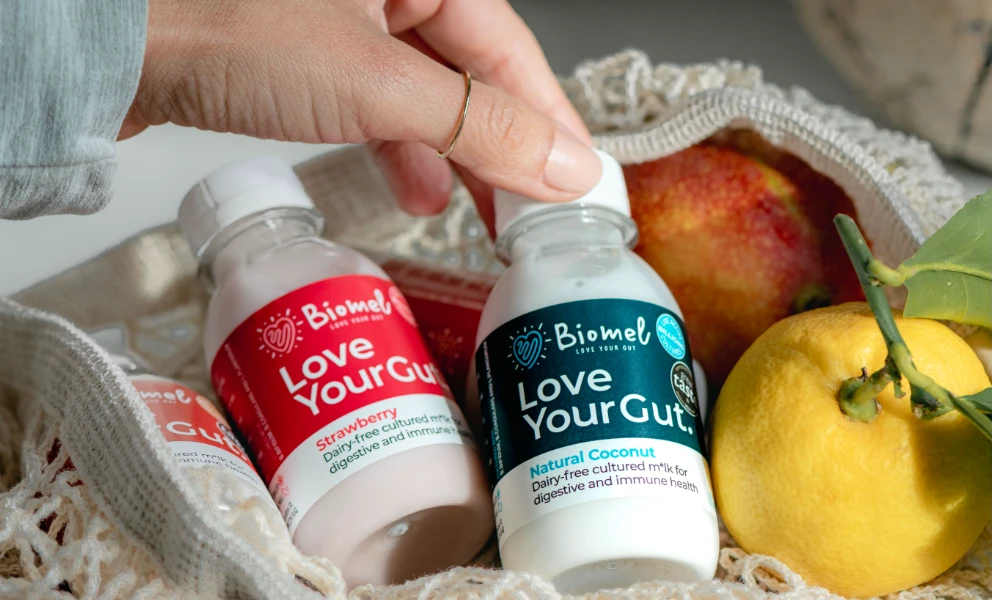
- Some women find probiotics containing Lactobacillus species helpful, although evidence is still evolving and products vary considerably. If you experience recurrent infections, it may be worth discussing probiotics or other preventative strategies with your doctor
- If you’re on your period, consider switching to a menstrual cup to avoid additional microbiome disruption
- Drink plenty of water, because dehydration affects immune function more than most people realise
- When you get back home, cut back on sugar and alcohol for a week or two: this helps starve the Candida overgrowth that leads to thrush
- If symptoms of BV or thrush develop, seek medical advice promptly - both are treatable, and early intervention matters.
Filed underGut health & IBS, Addiction & alcohol