
How Streamlining Health Operations Is Revolutionizing Patient Care
In today’s fast-evolving healthcare landscape, operational efficiency is more than a goal—it’s a necessity.
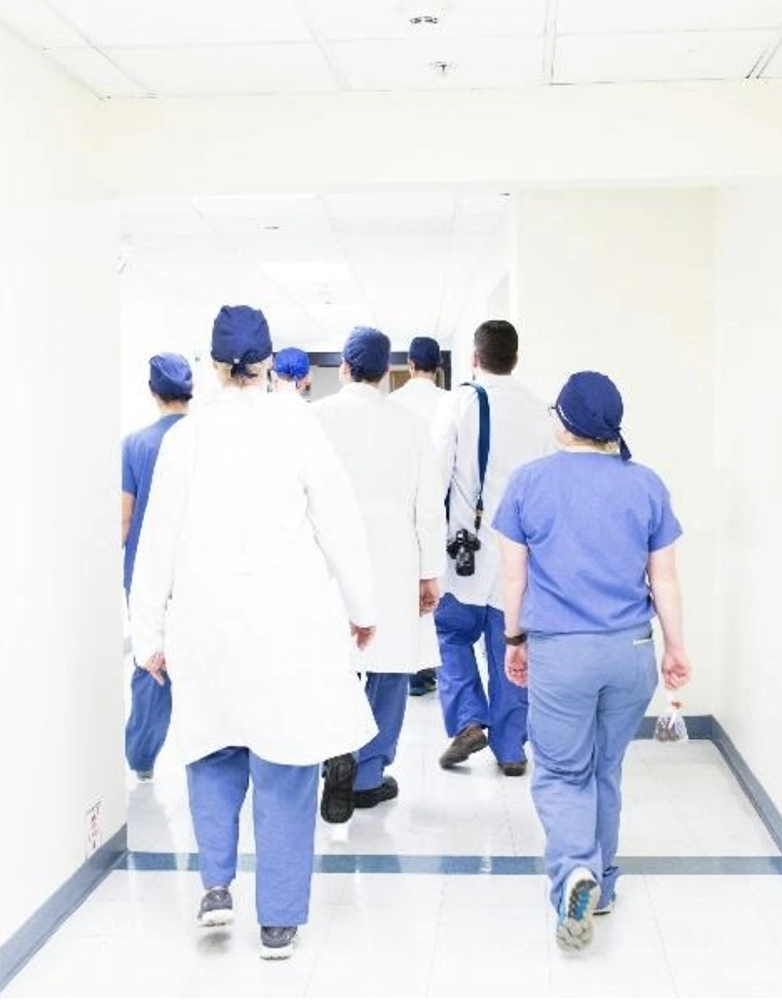
In today’s fast-evolving healthcare landscape, operational efficiency is more than a goal—it’s a necessity. As healthcare systems face increasing demands from patient volumes, administrative complexities, and technological advancements, the need to streamline operations has become critical.
Streamlining health operations is not just about optimizing workflows or cutting down on redundancies; it’s about transforming the way care is delivered. When hospitals and clinics improve their processes, patients benefit from more accurate diagnoses, shorter waiting times, and better overall experiences.
Modern healthcare organizations are realizing that operational excellence directly translates into improved patient outcomes. From automating administrative tasks to enhancing communication channels among healthcare teams, every improvement contributes to better patient care.
The revolution happening within healthcare operations is not driven solely by technology—it’s powered by strategic thinking, innovation, and a renewed focus on patient-centered care.
The Role of Higher Education in Advancing Healthcare Management
Behind the success of streamlined healthcare systems lies a growing community of skilled administrators, clinicians, and decision-makers trained to manage complex healthcare environments. The pursuit of an MHA online degree has become one of the most effective ways for healthcare professionals to gain the leadership, analytical, and operational expertise needed to drive this transformation.
Higher education programs focused on healthcare administration equip professionals with essential knowledge about healthcare systems, policy, and data-driven management practices. They prepare future leaders to analyze operational inefficiencies, implement evidence-based strategies, and foster interdepartmental collaboration.
Through such programs, professionals learn how to integrate clinical goals with administrative objectives, ensuring that every improvement made behind the scenes translates into meaningful benefits for patients.
The University of North Carolina Wilmington’s online programs uphold the same rigorous standards and personalized instruction as their on-campus offerings, while providing the flexibility to pursue educational goals without putting a current career on hold. No matter where you are in life, there is a program designed to fit your needs.
These programs span various disciplines; all centered on providing the best platform for aspiring students and professionals who aim to reach top leadership positions—without compromising on quality or convenience in their education.
Technology as the Cornerstone of Streamlined Health Operations
The digital transformation of healthcare has been a catalyst for operational improvement. Technologies such as electronic health records (EHRs), telemedicine platforms, and artificial intelligence (AI) are reshaping every aspect of healthcare delivery.
EHRs, for example, allow healthcare professionals to access patient data in real time, eliminating paperwork and reducing the risk of errors caused by miscommunication or lost records.
Telemedicine, on the other hand, extends care beyond the walls of hospitals, enabling patients to receive consultations and follow-ups remotely. These advancements not only save time but also help healthcare systems manage resources more effectively.
Data-Driven Decision Making for Improved Outcomes
Efficient healthcare operations rely heavily on the intelligent use of data. Hospitals and clinics collect vast amounts of information every day—ranging from patient demographics and treatment histories to operational metrics like bed occupancy rates and staff performance. When analyzed correctly, this data becomes a powerful tool for improvement.
Data analytics enables healthcare leaders to identify inefficiencies, monitor patient flow, and track key performance indicators in real time. For instance, analyzing admission patterns can help administrators predict peak hours and adjust staffing accordingly. Similarly, outcome tracking allows organizations to measure the effectiveness of treatments and refine protocols for better patient results.
Enhancing Collaboration and Communication Among Teams
One of the biggest challenges in healthcare has always been coordination among different teams—doctors, nurses, technicians, and administrators. Miscommunication or delayed information can lead to serious errors or patient dissatisfaction. Streamlining operations means creating systems that foster clear, consistent, and timely communication across all departments.
Integrated communication platforms now allow multidisciplinary teams to collaborate seamlessly. Whether it’s updating a patient’s status, sharing lab results, or coordinating discharge plans, information can be accessed instantly and securely.
Simplifying Administrative Processes to Free Up Clinical Time
Administrative tasks have traditionally consumed a significant portion of healthcare professionals’ time. Documentation, billing, insurance verification, and compliance reporting, while necessary, can often distract from patient care. Streamlining these processes through automation and process redesign allows clinicians to dedicate more attention to their patients.
For example, digital documentation systems reduce paperwork and eliminate redundant data entry. Automated billing and coding solutions minimize human error and speed up reimbursement cycles. Centralized scheduling systems prevent overbooking and reduce patient wait times.
Patient-Centered Care Through Operational Innovation
At the core of streamlining health operations is a fundamental goal—to enhance the patient experience. When systems operate efficiently, patients encounter fewer delays, better coordination, and more accurate care delivery. Operational innovation ensures that patients feel heard, valued, and supported throughout their healthcare journey.
For example, automated reminders and digital check-in systems simplify the patient’s experience from the moment they book an appointment. Improved resource management ensures shorter waiting periods, while digital portals empower patients to access their medical records, track progress, and communicate with providers easily.
These improvements not only make healthcare more accessible but also build patient trust. A well-structured system creates a sense of reliability, assuring patients that their well-being is the top priority.
The Future of Streamlined Healthcare
As healthcare continues to advance, the drive toward operational efficiency will only intensify. Emerging technologies such as machine learning, robotic process automation, and predictive analytics will play increasingly important roles in optimizing workflows.
However, true transformation will depend on human insight—the ability of healthcare leaders to understand, adapt, and lead change effectively.
Organizations that invest in both innovation and workforce development are best positioned to thrive. Healthcare professionals who combine technical expertise with strong leadership and strategic thinking will lead the charge toward a more efficient and patient-focused future.
Ultimately, streamlining health operations is not a one-time initiative but a continuous process of improvement. It represents a shift in mindset—one that views efficiency not merely as cost-cutting but as a pathway to compassion, accuracy, and better patient care.
As healthcare systems evolve, operational excellence will remain the cornerstone of patient well-being, driving the industry toward a future where care is not only faster but profoundly human.
Filed underIndia & Sri Lanka, Connection