Borderline Personality Disorder (BPD) has a mostly negative image among patients and mental health specialists. People with BPD can be perceived as manipulative, narcissistic, and self-obsessed. At least, it seems from the official BPD diagnosing criteria.
But for people who live with it, BPD is not a list of symptoms. Moreover, a list of symptoms that touches only the surface of what they have to go through every day.
The gap between clinical definitions and real life contributes to stigma and misunderstanding. Let’s look beyond the labels and focus on real people: what are the symptoms of BPD according to people who have it? How does it feel to experience BPD?
What Are the Symptoms of Borderline Personality Disorder?
According to the DSM-5, the most trusted manual for diagnosing mental health conditions, symptoms of borderline personality disorder manifest as:
- Desperate efforts to avoid real or perceived abandonment.
- Unstable relationships with other people tied to cycles of idealization and devaluation.
- Absent or constantly changing self-image.
- Impulsivity in two areas can be threatening.
- Suicidal or self-harming behavior or thoughts.
- Mood swings: switching between very intense emotions in short periods of time.
- Chronic feelings of emptiness.
- Inappropriate, dangerous, or hard-to-control feelings of anger.
- Dissociative symptoms.
Symptoms of borderline disorder actually exist on a spectrum and can vary in intensity and even presence. Therefore, a high-quality BPD test will require only 5 out of 9 criteria to be met to set this diagnosis. This practice is accepted from the DSM-5, which accounts for the unique differences and, hence, allows for variations.
Borderline Personality Disorder (BPD) only affects around 1-2% of the general population and is more frequently diagnosed in women, though this may partly reflect gender bias in diagnosis rather than true prevalence.
How BPD Symptoms Feel (Testimonies of People with BPD)
Clinical descriptions can explain what Borderline Personality Disorder is, but they rarely capture how it feels to live with it. And some people struggle to understand something if they can’t “try” certain feelings on.
In this section, we translate diagnostic language into lived experience. We collected the testimonies of people with BPD on forums, personal blogs, and books. While no two experiences are identical, many share common themes that reveal what BPD symptoms are and how they feel from the inside.
Fear of Abandonment
Everybody wants to be needed and feel important. However, individuals with BPD symptoms experience this symptom as a constant background alarm. Here is how they describe it:
- “I will die if I’m left alone.”
- “Sometimes I feel so needy, I feel close people to me find me too difficult to maintain.”
- “My partner gives me zero reasons to worry, but I still sacrifice my desires and put their needs first just in case.”
- “People who I live with live in the back of my head. I constantly think about them, and I believe they have to think about me too.”
- “I’ve felt misunderstood since childhood, so I feel so drawn to people who finally understood me.”
The fear can also manifest physically: racing heart, nausea, shaking, an urgent need to do something to prevent being left. And it’s also not about manipulation or attention-seeking. It’s rooted in a nervous system that equates emotional distance with danger.
Relationships on the Verge of Extremes
Problems with relationships in people with BPD come from cycles of idealization and devaluation, and fear of abandonment. Here’s a story of one Reddit user, “…if someone I love does something really great in my eyes (gives me attention is an example) I think they’re the greatest person in the world. As soon as I feel neglected by them […] I think they’re evil and the worst person and I will go to lengths to avoid them or protect myself from any further pain.”
When disappointment, misunderstanding, or perceived rejection appears (and it will, as in any relationship), the pain for people with borderline personality disorder is almost physical. Feelings may flip into anger, distrust, or emotional withdrawal that can be perceived as manipulation from the outline. However, shame often accompanies these extremes with questions like “Why can’t I just be normal?”

Unstable Sense of Self
An unstable sense of self is the least visible symptom of BPD. It may feel like:
- Not having distinct values or preferences.
- Constantly changing opinions on controversial topics.
- Changing opinions and values based on the circle a person with BPD is in.
- Lying about your opinion if it’ll make other people more likely to approve of you.
- Not being able to be alone, feeling the need to constantly be in relationships.
- Following other people or celebrities to the tiniest habits.
The most effective way to stabilize a sense of self is through Dialectical Behavioral Therapy (DBT), which was developed specifically to address BPD symptoms.
Self-Damaging Impulsivity
Impulsivity in BPD is disliked because people with BPD can seem “reckless.” But that’s their way to escape stress and extremely negative feelings they might bear with.
The most frequent impulsivity habits reported in questionnaires are:
- Impulsive self-harm and suicidal ideation
- Reckless driving
- Involving with dangerous people
- Constantly trying out extreme kinds of sports
- Risky sexual behaviors
- Impulsive buying
- Sudden decisions that change life (like marrying, moving, quitting the job, etc.)
Why do people with BPD do this? Firstly, they don’t really control their impulses. Secondly, impulsive actions are the brain’s way to quickly regulate and provide relief. Thirdly, rapid decisions give people with BPD the feelings of control they so desperately seek.
Self-Harm and Suicidal Thoughts
Self-damaging behavior is a result of emotional dysregulation and unhealthy coping strategies that usually form in childhood. In the moment, people with BPD can really believe that it’d be better if they didn’t exist. This inner pain can be so intense that they don’t see a foreseeable future, even though these thoughts may ease just in a few hours.
Suicidal or self-harming ideations might not be as straightforward. They can also be passive, for example:
- “I wish I had never been born.”
- Starving, not washing, not sleeping on purpose to punish yourself for something.
- “Why do people even live?”
- Wondering how you would like to pass away and how you would want your goodbye to look.
People describe these behaviors as a way to survive intense inner states, not as manipulation. Many individuals with BPD are painfully aware that these coping strategies are harmful, yet feel trapped without safer alternatives in moments of emotional crisis.
The most important thing to do if someone wonders about self-harm or suicide is to talk to someone. Believe that you won’t be too needy or too much for your close people. If you still feel hesitant to talk to them, try calling a hotline or writing in an anonymous chat. Help is always available, and you’re not alone.

Emotional Intensity
Emotional intensity is a foundational symptom of Borderline Personality Disorder. Feelings are quick and all-consuming. Joy is euphoric, sadness is devastating, anger is explosive, etc. Sometimes all of these highs happen in one day within the same day.
People with BPP symptoms usually complain of anger and sadness as being the most suffocating emotions. According to personal testimonies of those who were diagnosed with BPD, therapy and journaling were the most effective for them to understand emotions and, hence, control them.
Chronic Emptiness
Chronic emptiness can feel like:
- Physical hollow feelings in the belly.
- Seeing no sense in doing anything because of the belief that life’s pointless.
- Not knowing who you are and having no values or strong beliefs.
- Having no people with whom you can talk deeply and sincerely.
- Feeling bored because no work, hobbies, or meetings with friends can satisfy.
This emptiness can drive constant searching: for relationships, stimulation, validation, or meaning. When something temporarily fills the void, it may feel lifesaving.
Inappropriate Anger
Anger in individuals with BPD symptoms is sometimes called BPD rage because of how destructive and dangerous it might be. The dangers are rarely physical, but they put relationships under threat. And since the self-worth of BPDers is tightly connected to other people, their well-being declines as well.
BPD rage may look like a “classical” anger or other, more passive or concealed manifestations:
- Sarcasm
- Compliments that mean to offend
- Silent treatment
- Procrastination on promises
Afterwards, many people with BPD experience immediate regret, shame, and fear that they’ve damaged the relationship beyond repair. The anger itself isn’t the core problem. It’s usually a secondary emotion masking hurt, fear, or vulnerability that feels too unsafe to express directly.
Dissociation and Paranoia
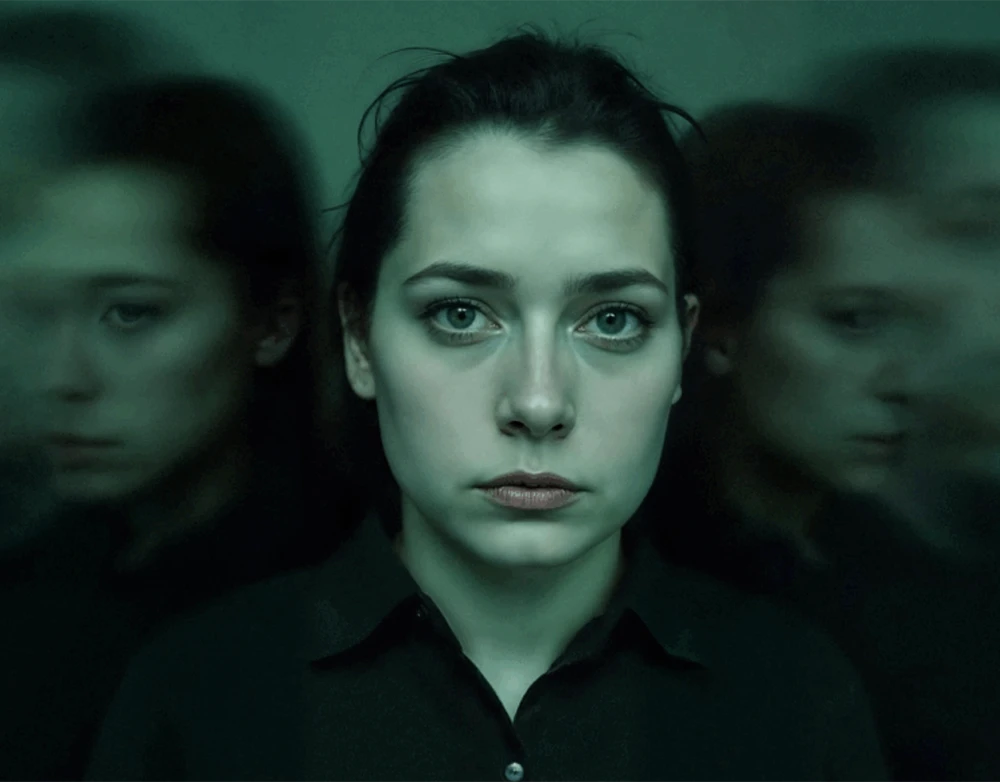
Under high emotional stress, some people with BPD experience dissociation or transient paranoid thoughts. Dissociation is a complicated phenomenon that is different for everyone, for example:
- Feeling like you’re in a video game.
- Feeling like somebody else controls you and you’re just a spectator.
- Not recognizing oneself in the mirror.
- Noticing dissociation only when it’s ended.
- Having blurry vision.
- Seeing everything through a brain fog.
Stress-related paranoia may involve briefly believing others are against you, lying, or planning to leave, even when part of you knows this may not be true. These experiences are usually short-lived and tied to overwhelming emotional states rather than fixed beliefs.