How to Determine Which Remodels You Need Most
Planning a remodel can feel overwhelming when multiple parts of your home seem ready for attention at the same time.
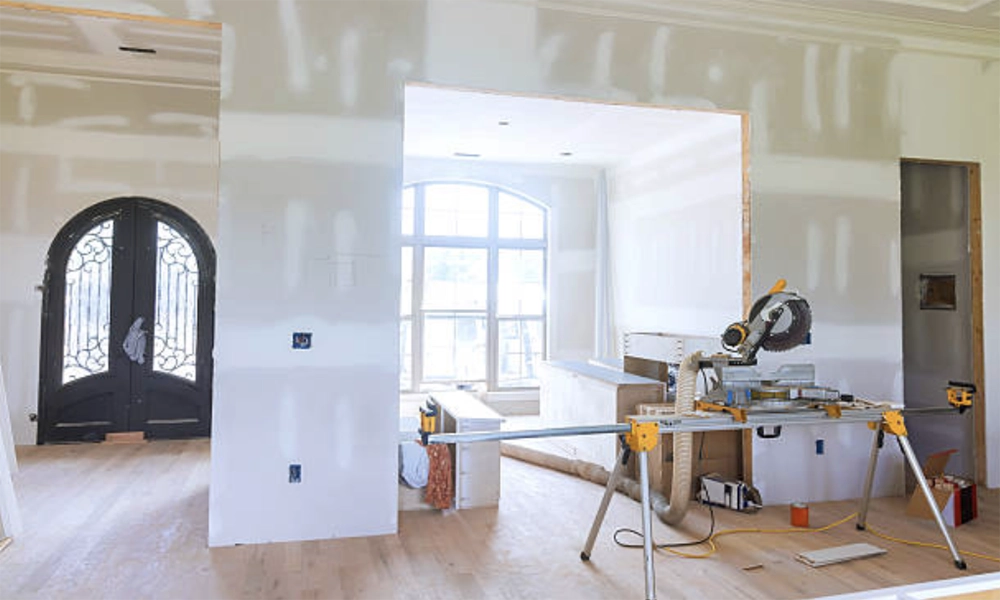
Planning a remodel can feel overwhelming when multiple parts of your home seem ready for attention at the same time. It is easy to get pulled toward the most exciting upgrades first, even when another area is causing bigger daily frustrations or setting the stage for future expenses. A better approach is to look at how each space functions, what is wearing out, and which improvements will have the biggest impact on comfort and long-term value. When you rank projects by need instead of impulse, the entire process becomes easier to manage.
Start With What Affects Daily Function
The best place to begin is with the parts of your home that interrupt everyday routines. A kitchen with limited storage, a bathroom with worn fixtures, or a layout that no longer supports how your household moves through the day should rise toward the top of the list. Remodeling decisions become clearer when you focus on friction points instead of just appearance. If a problem affects your schedule, comfort, or ability to use a room well, it likely deserves more attention than a purely decorative update.
Budget should also be part of that first review because remodeling demand has remained high across the country. According to Clever, homeowners were expected to spend $485 billion on renovations in 2024. That level of spending shows how important it is to prioritize carefully rather than commit to every possible update at once. A focused plan can help you direct money toward the changes that solve the most pressing issues first.
Look At Wear, Age, And Long-Term Performance
Some remodels become priorities because materials are simply reaching the end of their useful life. Cracked flooring, water-damaged cabinets, outdated finishes, and countertops with deep wear can all signal that a space is no longer serving you well. In other cases, the room may still function, but it requires constant workarounds that make it feel tired and inefficient. When that happens, the remodel is often less about style and more about replacing surfaces and features that are no longer pulling their weight.
Material lifespan can also help you decide whether to repair, refresh, or fully replace a feature. According to Bob Vila, granite countertops can last anywhere from 30 to 100 years. That wide lifespan means some surfaces may still have many useful years ahead if they are structurally sound, while others may justify replacement because damage, staining, or layout limitations have become too significant. Looking at durability this way can keep you from replacing solid features prematurely while helping you identify where a bigger investment truly makes sense.
Pay Attention To The Rooms That Shape Resale And Routine
Not every room carries the same influence when you are setting remodeling priorities. Kitchens and bathrooms often deserve an early spot on the list because they affect daily routines, guest impressions, and future resale appeal all at once. A cramped bathroom or one with dated storage may create frustration every single day, which gives that space more weight than a room you use only occasionally. When a heavily used room feels inconvenient, the value of improving it tends to show up quickly.
Bathroom updates also reveal what many homeowners see as worth prioritizing. According to Houzz, 76% of homeowners upgrade their vanity cabinets during a bathroom remodel. That suggests storage, organization, and visual improvement often go hand in hand when people decide what matters most in that space. If your bathroom lacks workable storage or feels worn around the vanity area, it may be a sign that this remodel would deliver both practical and visual benefits.
Separate Urgent Needs From Nice-To-Have Ideas
One of the most useful ways to set priorities is to create two categories: projects that solve a current problem and projects that would simply be enjoyable to have. Both kinds of remodeling can be worthwhile, but they should not carry the same weight when budget and timing are limited. A room with damage, outdated function, or poor use of space belongs in the first category. A room that looks acceptable but could be more stylish usually belongs in the second.
It also helps to think about whether one remodel should happen before another. For example, replacing cabinets, flooring, or plumbing access points may need to come before decorative updates in nearby areas. Sequencing projects well can prevent rework and help each dollar go further. Once you understand which remodels affect function, longevity, and future planning, the right order often becomes much more obvious.
Choosing the right remodels starts with asking which parts of your home need to work better, last longer, and support your routine more effectively. When you look at function, wear, material lifespan, and room importance together, you can sort urgent priorities from optional improvements with more confidence. That kind of planning helps you avoid scattered decisions and move forward with upgrades that truly matter. A thoughtful remodeling plan usually leads to better results, less stress, and a home that serves you more comfortably over time.