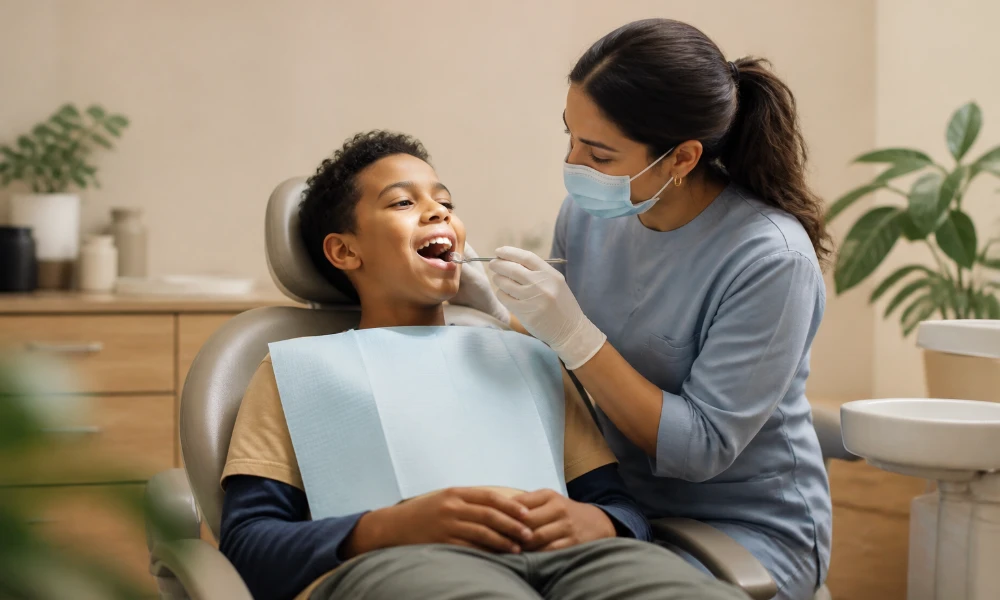
How to Make Your Child's First Dentist Visit a Success
The American Dental Association reports that children who have positive initial dental experiences are 70% more likely to maintain regular dental care into…
The American Dental Association reports that children who have positive initial dental experiences are 70% more likely to maintain regular dental care into adulthood — yet roughly one in four parents delay their child's first visit until a problem emerges. As pediatric dentistry increasingly emphasizes prevention over treatment, that first appointment has become more critical than ever for establishing lifelong oral health patterns. For families navigating this milestone, the difference between a smooth introduction to dental care and a traumatic experience often comes down to preparation and understanding what actually happens in that chair.
The stakes extend far beyond a single appointment. Children who develop dental anxiety early often carry those fears into adulthood, leading to delayed treatment and more complex oral health problems down the road. Meanwhile, parents who understand how to prepare their child — and what to expect during the visit — create the foundation for decades of proactive dental care.
Why Early Dental Visits Matter for Children
Most parents don't realize they're working against a biological clock when it comes to their child's oral health. By age three, a child's primary tooth structure is fully formed, and the bacterial ecosystem in their mouth is largely established. The patterns set during these early years — both in terms of oral hygiene habits and comfort with dental care — create ripple effects that last decades.
Here's what catches many families off guard: dental problems in young children progress faster than in adults. A small cavity in a baby tooth can reach the nerve within months, not years, because the enamel is thinner and the pulp chambers are larger. When children avoid dental care due to fear or anxiety, these problems compound quickly. What starts as a simple cleaning and fluoride treatment can escalate to more invasive procedures that reinforce negative associations with dentistry.
The early appointment window also serves a critical educational function. Pediatric dentists can identify developmental issues — like improper jaw growth, early signs of crowding, or harmful oral habits like thumb sucking — while they're still easily correctable. They also provide parents with specific guidance tailored to their child's current developmental stage, from proper brushing techniques for small hands to dietary recommendations that support healthy tooth development.
Research consistently shows that children who begin regular dental visits by age one experience 40% fewer cavities throughout childhood compared to those who delay care. But the benefits extend beyond cavity prevention. These early visits establish the dental office as a normal, non-threatening place, making future treatments more manageable and reducing the likelihood of dental phobia developing later.
How to Prepare Your Child for the First Dentist Appointment
The key to successful preparation lies in starting conversations about dental visits well before the scheduled appointment. Children process new experiences better when they have time to mentally rehearse what's coming, rather than learning about it on the drive to the office. Begin discussing the visit about a week in advance, focusing on the positive aspects of taking care of teeth and meeting a doctor whose job is to help keep smiles healthy.
Use age-appropriate language that emphasizes the routine nature of dental care. Instead of saying the dentist will "check for problems," explain that the dentist will "count teeth" and "take pictures of teeth to make sure they're growing strong." Avoid using phrases like "hurt," "pain," or "shot," even in reassuring contexts — young children often hear only those trigger words and miss the reassurance that follows.
Reading books about dental visits can help familiarize children with the process without creating anxiety. Look for stories that show children having positive experiences and emphasize the dentist as a helper rather than someone who fixes things that are wrong. Role-playing at home can also build comfort — let your child be the dentist and examine your teeth or a stuffed animal’s teeth using a toothbrush as a pretend dental tool. You can also simply bring their favorite turtle stuffed animal with them to the dentist if they are nervous.
Consider the timing of the appointment carefully. Schedule visits during times when your child is typically well-rested and cooperative, usually mid-morning for younger children. Avoid scheduling immediately before nap time or late in the day when patience tends to run thin. Some pediatric offices also offer shorter "happy visits" where children can meet the staff and see the office without having a full exam, which can be valuable for particularly anxious children.
Managing Dental Anxiety in Children
Children often pick up on parental anxiety more than parents realize, so managing your own concerns about the visit is just as important as preparing your child. If you have dental anxiety yourself, be mindful of your tone and word choice when discussing the appointment. Children are remarkably attuned to subtle cues — tense body language, hesitation in your voice, or overly enthusiastic reassurance can signal that something worrisome is about to happen.
Watch for signs of anxiety in your child during the preparation period: increased clinginess, changes in sleep patterns, or excessive questions about the visit. These are normal responses, but addressing them directly can prevent anxiety from escalating. Acknowledge that it's natural to feel nervous about new experiences and emphasize that the dentist and staff are specially trained to work with children and help them feel comfortable.
Avoid making promises you can't keep, such as "it won't hurt at all" or "we'll leave if you don't like it." Instead, focus on what you can control: "I'll stay with you in the room," "the dentist will explain everything before doing it," or "we can ask questions anytime we want." This builds trust while preparing your child for the reality that some parts of the exam might feel strange or uncomfortable without being painful.
Effective Behavior Management Techniques
The most effective approach combines clear expectations with choices that give children some control over their experience. Before the appointment, explain that listening to the dentist and keeping their mouth open when asked helps the visit go smoothly. Frame cooperation as a way to help the dentist do their best work, rather than as obedience for its own sake.
During the visit, offer choices whenever possible: "Would you like to sit up or lie back first?" or "Should we count your top teeth or bottom teeth first?" These small decisions help children feel less powerless in an unfamiliar situation. Many pediatric offices also use distraction techniques like ceiling TVs or allowing children to hold a special toy during the exam.
If your child becomes resistant during the appointment, avoid bribing with treats (especially sugary ones, given the dental context) or making threats about future consequences. Instead, acknowledge their feelings while maintaining expectations: "I can see you're feeling worried about opening your mouth. Let's take three deep breaths together, and then we'll help Dr. Smith see those important teeth." Most pediatric dentists are skilled at working with reluctant children and may suggest taking breaks or modifying the exam approach if needed.
What Happens During a Pediatric Dental Exam
Understanding the typical flow of a pediatric dental exam helps set realistic expectations and reduces anxiety about the unknown. Most first visits begin with a gentle introduction period where the child can explore the dental chair, hold some of the instruments, and get comfortable with the environment before any examination begins. Pediatric dentists often use this time to build rapport and assess the child's comfort level.
The actual exam usually starts with a visual inspection using just a small mirror and light. The dentist will count teeth, check for any obvious decay or developmental concerns, and examine the gums for signs of inflammation. For very young children or those who are particularly anxious, this might be the extent of the first visit — pediatric dentists prioritize building positive associations over completing every procedure.
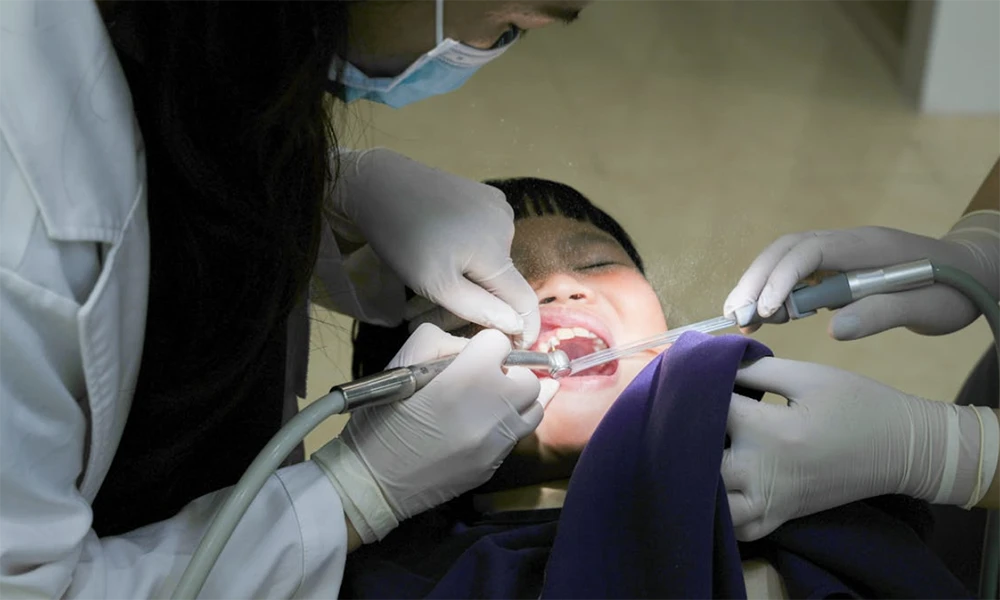
If the child is comfortable, the exam may progress to a gentle cleaning with a soft brush or rubber cup. This feels different from home tooth brushing but shouldn't be uncomfortable. The dentist or hygienist will explain each step and often let children feel instruments on their hand first so they know what to expect. Some offices use flavored polishing paste, which can make the experience more pleasant for young patients.
X-rays are typically not necessary for very young children unless there's a specific concern, but older children (usually around age 6-8) may need them to check for problems between teeth or to monitor the development of permanent teeth. Modern digital X-rays use significantly less radiation than older systems and can be completed quickly. Many pediatric offices use lead aprons designed for children and may allow parents to stay in the room during X-rays.
The visit typically concludes with a fluoride treatment, which involves applying a fluoride gel or varnish to strengthen the tooth enamel. This process takes only a few minutes and helps prevent cavities. The dentist will also discuss home care recommendations specific to your child's age and development stage, addressing proper brushing technique, appropriate toothpaste, and dietary considerations that support oral health.
Key Pediatric Dental Care Tips After the First Visit

The period immediately following your child's first dental visit offers a crucial opportunity to reinforce positive associations with dental care while implementing the specific recommendations provided by your pediatric dentist. Most children feel proud of completing their first dental appointment, and capitalizing on this sense of accomplishment can help establish long-term patterns of cooperative dental care.
Focus on implementing any new oral hygiene techniques gradually rather than overhauling your entire routine overnight. If the dentist recommended changes to brushing technique or toothpaste type, introduce these modifications one at a time over the course of a week. Children adapt better to gradual changes, and this approach helps you identify which specific modifications make the biggest difference in your child's oral health.
Many parents discover that comprehensive family dental services become more valuable as children grow and their dental needs evolve, particularly when coordinating care between siblings or addressing the transition from pediatric to adult dental care.
Pay special attention to dietary recommendations provided during the visit. Pediatric dentists often identify specific eating patterns that increase cavity risk, such as frequent snacking on crackers or sipping juice throughout the day. These habits create constant acid exposure that can weaken tooth enamel even when children brush regularly. Implementing structured snack times and encouraging water between meals can significantly improve oral health outcomes.
Document the specific recommendations from your child's first visit and track progress over the following weeks. Note any changes in your child's attitude toward brushing, their comfort level with oral hygiene routines, and any questions that arise as you implement new practices. This information becomes valuable for future dental visits and helps identify patterns that support or hinder your child's oral health.
Schedule the next appointment before leaving the office, typically six months out for most children. Having the next visit already planned removes the burden of remembering to schedule and reinforces that regular dental care is a normal part of maintaining health. Many children also find comfort in knowing when they'll see their new dentist again, especially if the first visit went well.
Final Thought
The foundation you build during your child's first dental visit extends far beyond that single appointment — it shapes their relationship with oral health care for decades. Children who learn early that dental visits are routine, manageable experiences approach future dental needs with confidence rather than fear, ultimately leading to better long-term oral health outcomes.
Filed underAnxiety, Dental, Family & parenting