Ever finish a workout and feel completely wiped out for the next two days? That soreness and fatigue doesn’t have to drag on forever. Your body has amazing healing abilities, but it needs the right support to bounce back quickly and get you ready for your next session.
Recovery isn’t just about sitting on the couch until the pain goes away. There are actually tons of natural methods that can help your muscles repair themselves faster, reduce inflammation, and get you back to feeling strong again. The best part is that most of these techniques are simple, don’t require expensive equipment, and you can start using them right away.
Why Your Body Needs Time to Bounce Back
When you exercise, especially during intense sessions, your muscles develop tiny tears. This might sound scary, but it’s completely normal and actually how you get stronger. Your body repairs these microscopic damages and builds the muscle back even better than before. The problem is that this process takes time, and without proper recovery support, it can leave you feeling sore and sluggish.
Your body also builds up waste products during exercise that need to be cleared out. Things get inflamed, your energy stores get depleted, and your nervous system needs a chance to reset. All of these factors contribute to that post-workout fatigue that can last for days if you don’t address it properly.
Cold Therapy: The Power of Chilling Out
One of the most effective recovery methods involves exposing your body to cold temperatures. Ice baths have been popular with athletes for decades, but newer forms of cold therapy are becoming more accessible to regular people. Cryotherapy adelaide treatments or other locations, offer a modern approach to cold therapy that can provide similar benefits in a more controlled environment. Cold exposure helps reduce inflammation, numbs pain, and forces your blood vessels to constrict and then dilate, which can improve circulation and speed up the removal of waste products from your muscles.
The cold essentially tricks your body into thinking there’s an emergency, which triggers a bunch of helpful responses. Your heart rate increases, endorphins get released, and your metabolism gets a boost. Many people find that just a few minutes of cold exposure can make them feel more alert and energized, while also reducing muscle soreness.
If professional cold therapy isn’t available in your area, you can get similar benefits from cold showers or ice baths at home. Start with just 30 seconds of cold water at the end of your regular shower and gradually work up to longer periods as your body adapts.
Fuel Your Recovery with Smart Nutrition
What you eat after a workout plays a huge role in how quickly you recover. Your muscles need protein to repair those tiny tears we talked about earlier, and they need carbohydrates to refill their energy stores. The timing matters too – try to eat something within about two hours after your workout when your body is most ready to absorb nutrients.
You don’t need fancy supplements or expensive protein powders. Simple foods work great. Chocolate milk actually has an ideal ratio of protein to carbs for recovery. Greek yogurt with berries, a turkey sandwich, or even eggs with toast can give your body what it needs to start the repair process.
Staying hydrated is just as important. When you’re dehydrated, everything in your body works less efficiently, including recovery. Water helps transport nutrients to your muscles and carries away waste products. If you’ve been sweating a lot, you might need to replace some electrolytes too, but for most workouts, plain water does the job.
Sleep: Your Secret Recovery Weapon
This might be the most important recovery tool you have, and it’s completely free. During sleep, your body releases growth hormone, which is essential for muscle repair. Your immune system also gets busy cleaning up damaged cells and fighting inflammation.
Most people need seven to nine hours of quality sleep to recover properly from workouts. If you’re not getting enough sleep, no amount of other recovery methods will make up for it. Your body simply can’t do its repair work without adequate rest.
To improve your recovery sleep, try to keep your bedroom cool and dark. Avoid screens for at least an hour before bed, and try to go to sleep around the same time each night. Your body loves routine, and a consistent sleep schedule can improve the quality of your rest.
Movement That Heals
This might seem counterintuitive, but gentle movement can actually speed up recovery. We’re not talking about another intense workout – light activity helps increase blood flow, which brings fresh nutrients to your muscles and helps clear out waste products.
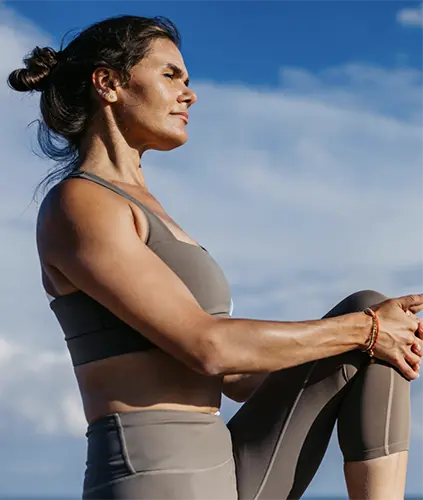
Walking is perfect for this. A 10-15 minute easy walk can help reduce stiffness without adding stress to your recovering muscles. Gentle stretching or yoga can also help, but avoid forcing anything. Your muscles are vulnerable right after a workout, so save the deep stretches for when you’re feeling better.
Swimming is another excellent recovery activity if you have access to a pool. The water supports your body weight while providing gentle resistance and massage-like pressure that many people find soothing.
Simple Techniques for Immediate Relief
Heat therapy can complement cold therapy nicely. While cold helps reduce inflammation right after a workout, heat can be helpful later in the recovery process. A warm bath or heating pad can help relax tight muscles and improve circulation. Some people alternate between hot and cold treatments, which can be particularly effective for reducing soreness.
Gentle self-massage or using a foam roller can help work out knots and tight spots in your muscles. You don’t need to be aggressive – light pressure is usually more effective and less likely to cause additional damage to already tender muscles.
Making Recovery a Habit
The key to effective recovery is consistency. Using these methods occasionally might help, but making them part of your regular routine will give you the best results. Pick a few techniques that fit easily into your schedule and lifestyle, then stick with them.
Recovery isn’t just about dealing with soreness after it happens – it’s about preparing your body to handle future workouts better. When you recover well, you can train more consistently, which leads to better results over time. Your body will thank you for taking care of it, and you’ll find that exercise becomes more enjoyable when you’re not constantly battling fatigue and soreness.
Remember that everyone’s body responds differently to various recovery methods. What works perfectly for your friend might not be the best option for you. Pay attention to how you feel and adjust your recovery routine based on what gives you the best results.