
No Backyard? No Problem. Here's How To Make Chaos Gardening Work in a Small Space
When Pinterest reported a 300% surge in searches for "chaos gardening" back in December 2024, it was clear the trend had moved well beyond a fleeting social…
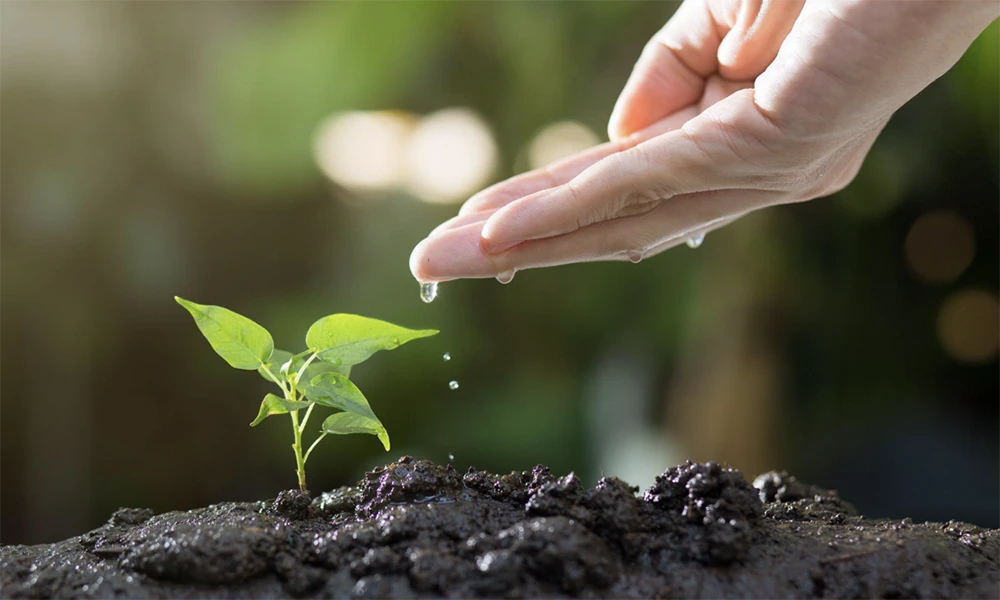
When Pinterest reported a 300% surge in searches for "chaos gardening" back in December 2024, it was clear the trend had moved well beyond a fleeting social media moment. And heading into 2026, the momentum hasn't faded. The appeal is easy to understand: scatter a mix of seeds, step back, and let plants grow as they please - no rigid rows, no obsessive spacing, no high-maintenance upkeep. Just a beautifully wild, organic result that feels genuinely joyful rather than manicured.
The problem, for the millions of people living in apartments or homes without a proper outdoor garden, is that chaos gardening can feel like it was designed for someone else entirely. Wide-open plots and sprawling flower beds are the images most associated with the trend. A small balcony, a narrow windowsill, or a compact patio doesn't exactly scream "let nature run free."
But according to Vince Braun, Founder, President, and CEO of HealthiStraw, a family-owned Canadian company specializing in premium, sustainable wheat straw products, that assumption undersells what a small space can actually do. Braun, who has spent years working with and observing how nature behaves in cultivated environments, believes urban gardeners are missing out - and that the fix is simpler than most people think.
"There's a misconception that trends like chaos gardening are only for people with big gardens or outdoor space to spare," says Braun. "That simply isn't true. Some of the most beautiful chaos gardens I've seen have been on balconies no bigger than a dining table."
Here's how to make it work.
Start With the Right Plants
Chaos gardening celebrates variety and abundance, but in a confined space, plant selection matters more than the name of the trend might suggest. The goal is to recreate that layered, tumbling, gloriously untidy look - and that requires choosing plants that are naturally suited to compact conditions.
"Think small but mighty," says Braun. "You want naturally compact plants that don't need a lot of root depth, but that will still give you that layered look chaos gardening is all about. Nasturtiums, violas, calendula, and dwarf cosmos are all fantastic choices. They're fast-growing, self-seed readily, and look gorgeous tumbling over the edges of a pot."
For gardeners who want to weave edibles into the mix, cut-and-come-again herbs like basil, cilantro, and dill work beautifully alongside flowers, adding to the wild, productive feel without requiring dedicated space. One rule that applies regardless of what you're growing: keep plants with similar light and water requirements together. Pairing sun-lovers with shade-seekers in the same container is one of the quickest ways to undermine an otherwise promising setup.
Get Your Containers Right
In a traditional chaos garden, the ground is the canvas. In an apartment or urban setting, the container takes on that role - and choosing the right one makes a significant difference to how the results turn out.
"Bigger is always better when it comes to containers for chaos gardening," Braun explains. "A larger pot gives seeds more room to compete and find their footing. A deep planter at least 30cm wide will give you far more interesting results than a cluster of small individual pots."
Drainage is equally critical. A dense sowing of mixed seeds in a container without adequate drainage holes will quickly become waterlogged, with predictably poor results. Braun recommends lining the base with an organic material - wheat straw works particularly well - to improve both drainage and moisture retention while keeping the growing environment healthy for roots.
For those working with very limited floor space, vertical options open up considerably more growing area. Wall-mounted planters, tiered stands, and hanging containers all add growing surface while contributing to the cascading, abundant aesthetic that makes chaos gardening so visually appealing in the first place.
Think About Layout Before You Scatter
One of the more persistent misconceptions about chaos gardening is that it requires no forethought whatsoever. The aesthetic is deliberately wild, but the best results tend to come from a small amount of planning upfront - particularly in compact spaces where every inch counts.
"Chaos gardening means working with nature's tendencies rather than fighting them," says Braun. "In a small space, think about height. Taller plants like dwarf sunflowers or snapdragons toward the center, trailing plants at the edges, and low-growing fillers in between. You're creating the conditions for a happy accident, not just hoping for one."
Timing matters too. Rather than sowing everything at once, try scattering seeds in batches - a first round in early spring, followed by a second sowing six to eight weeks later. This staggered approach keeps containers looking full and in flower for considerably longer than a single planting would.
Don't Underestimate Your Soil
Even the most relaxed approach to gardening still depends on a solid foundation. In containers, where multiple plants are competing for nutrients within a confined volume of growing medium, the quality of your soil has a direct impact on what comes up and how well it performs.
"A lot of people underestimate how much the substrate matters in containers," says Braun. "You want something that holds moisture without becoming waterlogged and has enough structure to support roots."
A good peat-free potting mix forms the base, with perlite mixed in to aid drainage. Topping containers with a thin layer of organic straw mulch - such as HealthiStraw's GardenStraw, made from 100% non-GMO wheat straw sourced from local farmers - helps retain moisture, regulate soil temperature, and suppress weeds as the garden fills in. It also adds nutrients gradually as it breaks down, supporting plants through the growing season without additional intervention.
The broader point Braun keeps coming back to is that small spaces aren't a disadvantage for chaos gardening - they might actually be an asset.
"Small spaces actually have an advantage here. Everything is closer together, which means the layered, abundant look that chaos gardening is known for comes together faster and with less effort. If you approach it thoughtfully, even a single window box can stop you in your tracks. You don't need a garden to grow something worth looking at."
The secret, as with most things in gardening, lies in the preparation. Choose plants suited to your conditions, give them the right container and growing medium, apply a little structural thinking to your layout - and then step back and let nature do what it does best.
Filed underCosmetic & aesthetics, Nature, Spa, Home & garden sanctuary