
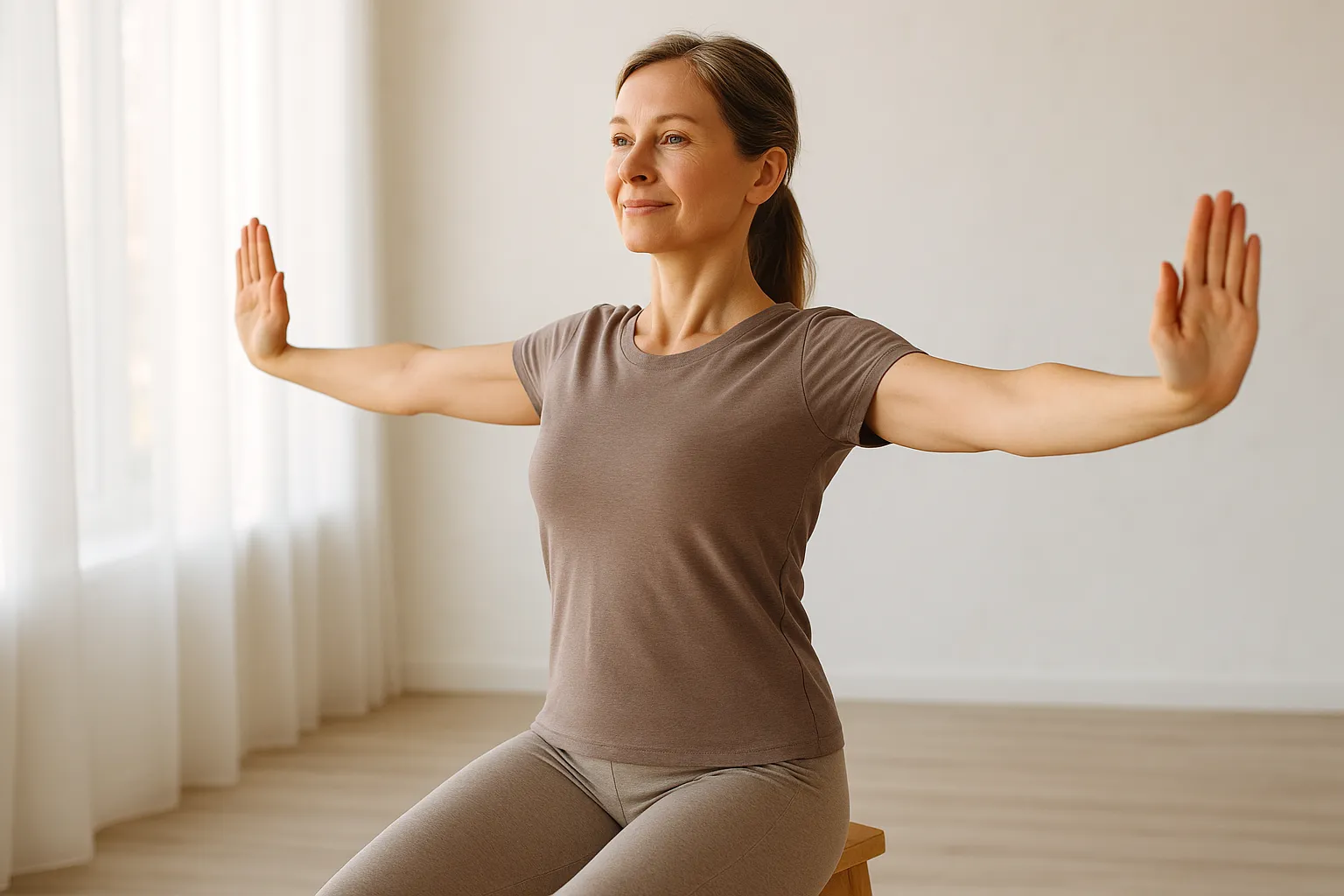
With sedentary lifestyles and screen-heavy routines becoming the norm, it’s no surprise that poor posture has become a modern epidemic. Forward head position, rounded shoulders, and upper-back stiffness are common complaints—but the good news is that posture is highly trainable.
Strengthening the upper-back muscles specifically the rhomboids, trapezius, and rear deltoids can help correct imbalances, support spinal health, and even alleviate tension headaches and neck discomfort.
Why Posture Matters
Your posture affects more than how you look in a mirror. It influences your:
- Breathing efficiency
- Circulation
- Digestion
- Mood and confidence
- Risk of injury during movement or training
Over time, poor posture can lead to chronic pain, reduced mobility, and even impact mental wellbeing.
5 Posture-Focused Upper-Back Exercises
- Wall Angels
Stand against a wall, arms bent 90 degrees, backs of hands touching the wall. Slide your arms up and down like a snow angel, maintaining contact. Focuses on scapular mobility. - Scapular Retractions
Using a resistance band or cable machine, draw your shoulder blades back and down, squeezing them together. Avoid shrugging the shoulders. - Reverse Flies
With light dumbbells or resistance bands, hinge forward at the hips and open the arms wide, squeezing between the shoulder blades. Control is key. - Thoracic Extensions over Foam Roller
Place a foam roller perpendicular to your spine, mid-back area. Gently extend over it to mobilize the thoracic spine. - Prone Y-T-Ws
Lie face down on a mat and lift your arms into a Y, then T, then W shape, squeezing the shoulder blades with each move. Bodyweight only.
“You don’t have to sit up straight all day just move smarter and strengthen deeper.” — Wellbeing Magazine
Tips for Success
- Perform 2–3 sets of 10–15 reps of each exercise, 2–3 times a week.
- Focus on slow, controlled movement rather than heavy resistance.
- Pair these with gentle chest-opening stretches to balance the front of the body.
- Set posture reminders if you work at a desk or use a laptop frequently.
Maintaining upper-back strength is an investment in your long-term wellbeing. These exercises aren’t just about appearance they’re about function, energy, and confidence.
For more functional movement guidance, explore our Body category articles or our features on mindful strength training.