With the school holidays just around the corner, many parents are already wondering how to keep children entertained without relying on tablets, televisions or mobile phones. While screens undoubtedly have their place, the long summer break offers the perfect opportunity to swap scrolling for sunshine and discover the wellbeing benefits of spending time outdoors.
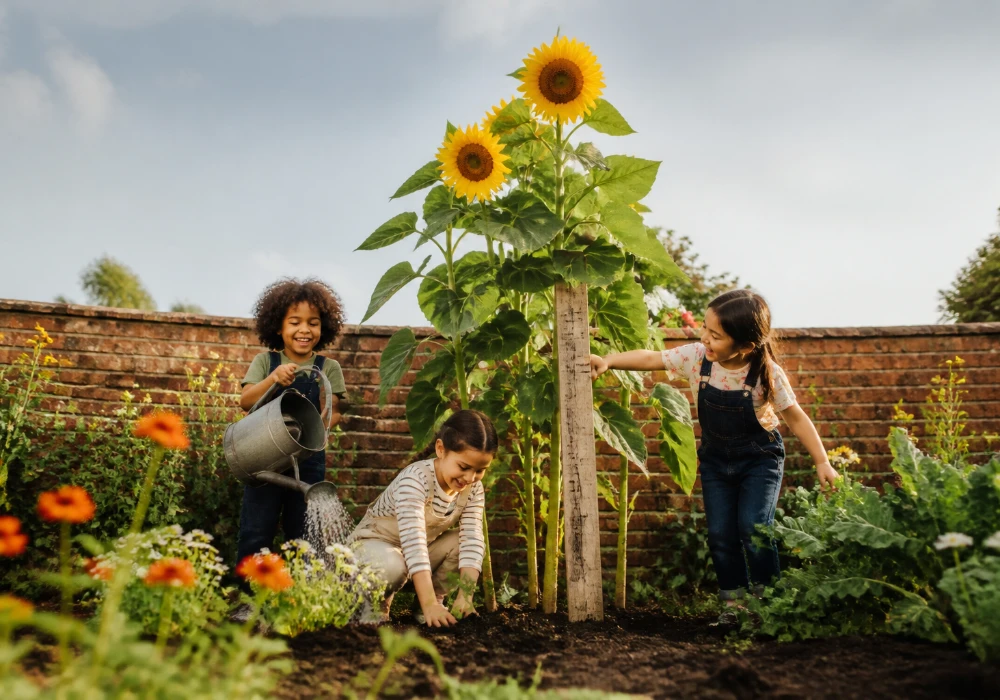
According to the team at STIGA, the garden is one of the easiest places for families to reconnect. Whether it’s growing colourful flowers, harvesting homegrown vegetables or simply exploring the wildlife living among the plants, gardening encourages children to slow down, be curious and enjoy the world around them.
Time spent outside offers far more than just fresh air. Gardening naturally combines gentle physical activity with creativity and problem-solving, helping children develop patience, confidence and resilience. Watching seeds transform into flowers or vegetables also teaches valuable lessons about responsibility and the rewards of caring for something over time.
For adults, gardening provides an opportunity to switch off from everyday pressures, while children benefit from activities that stimulate the imagination without the constant notifications and distractions that often come with screen time. Sharing these moments together creates lasting family memories and encourages conversations that don’t revolve around digital devices.
This summer, why not challenge the whole family to put the phones away for an afternoon and enjoy one of these simple garden adventures?
Travel the World Through Herbs
Many of the herbs we use every day have fascinating origins. Basil has its roots in tropical Asia, oregano comes from the Mediterranean, while coriander has been cultivated across parts of southern Europe, North Africa and Asia for centuries.
Turn your garden into a geography lesson by printing or drawing a world map and asking children to match each herb to its country or region of origin. They can sketch the plants, label the map and then grow a small herb garden together. Once the herbs are ready to harvest, use them to prepare a family meal inspired by the places they came from, bringing gardening, learning and cooking together in one enjoyable activity.
Grow a Smiling Sunflower
Sunflowers have long been a favourite for family growing competitions, with children eagerly measuring who has produced the tallest plant. This year, add a creative twist.
As the flower begins to form its seed head, carefully tease a small number of developing seeds into the shape of a smiling face. As the sunflower matures, the design becomes more noticeable, giving children something exciting to check each day. It’s a fun way to combine creativity with nature while encouraging regular time outdoors.
Become a Garden Bug Detective
Every healthy garden is home to an incredible variety of insects, many of which play an important role in pollination and maintaining a balanced ecosystem.
Create a temporary bug observation box using a recycled clear plastic container with small ventilation holes. Add a few leaves, twigs and grass before gently collecting a couple of insects for a closer look. Children can observe how different bugs move, what they eat and where they like to hide before safely returning them to the same spot where they were found.
Activities like this help children develop an appreciation for wildlife while encouraging respect for the natural environment.
The school holidays don’t have to be filled with expensive days out or endless hours indoors. Sometimes the best adventures can be found just outside the back door.
Whether it’s growing herbs from around the world, nurturing a smiling sunflower or discovering the miniature wildlife living in the garden, spending time together outdoors offers simple but meaningful benefits for both physical and mental wellbeing. By making room for creativity, curiosity and fresh air, families can enjoy a healthier balance between technology and nature…and create memories that will last long after the summer holidays have ended.
To read more about STIGA’s gardening products go to www.stiga.com/uk/
- About the Author
- Latest Posts

Our Editorial Team are writers and experts in their field. Their views and opinions may not always be the views of Wellbeing Magazine. If you are under the direction of medical supervision please speak to your doctor or therapist before following the advice and recommendations in these articles.