SENSE: A Retreat for Deeply Sensitive People
SENSE Retreat — a groundbreaking gathering at Broughton Sanctuary this October designed for those who experience the world in a deeply sensitive way.
Kirsty L Allan, a transpersonal psychologist and parapsychology researcher, and Catherine Asta, psychotherapist, author, and founder of the Late Discovered Club, have come together to create SENSE Retreat — a groundbreaking gathering at Broughton Sanctuary this October designed for those who experience the world in a deeply sensitive way. We spoke about the power of sensitivity, why inclusivity is at the heart of their work, and how rest can be the gateway to rediscovering our innate magic.
What first inspired your work with sensitivity and consciousness?
Kirsty: I’ve always been deeply sensitive. As a child, teachers would tell me I carried “the weight of the world on my shoulders.” I was “too sensitive” and needed to “toughen up”. At times this idea of being somehow flawed for feeling so much, was overwhelming and even shameful but I later realised it was actually a gift — I could sense subtleties others missed, whether in people, places, unfolding events or the habits of the world around me. That sensitivity is what drew me into psychology and consciousness research. I wanted to understand it, and also to help to others to embrace it as a strength - rather than see it as a limitation.
Why create a retreat specifically for deeply sensitive people?
Catherine: With SENSE, we wanted to build something different: a place where all deeply sensitive people feel welcomed, honoured, and safe and we pride ourselves on being neuroinclusive by design. Retreat culture often overlooks those who experience the world deeply and differently. We wanted to create a place where everyone is met exactly where they are. Where diversity is welcomed, and labels, where used, are not dismissive but honoured as ways of understanding and affirming identity. Where small talk is optional, silence is respected, and there is dedicated space for all forms of rest – especially sensory rest.
Kirsty: Exactly. Sensitivity is a continuum — we all fall somewhere on it. But those of us who live at the more intensely sensitive end often carry a lot of shame or self-doubt. The retreat is about resting the nervous system so that our deeper gifts — intuition, imagination, creativity and more — can come through. We landed on the term ‘deeply sensitive people’ to be inclusive because we both know that language can be exclusionary. Together, we wanted to create a gathering for a journey of restoration, exploration and personal empowerment – with each of us arriving as we are, with our own way of being, feeling and sensing in the world.
How did the two of you come together to create SENSE?
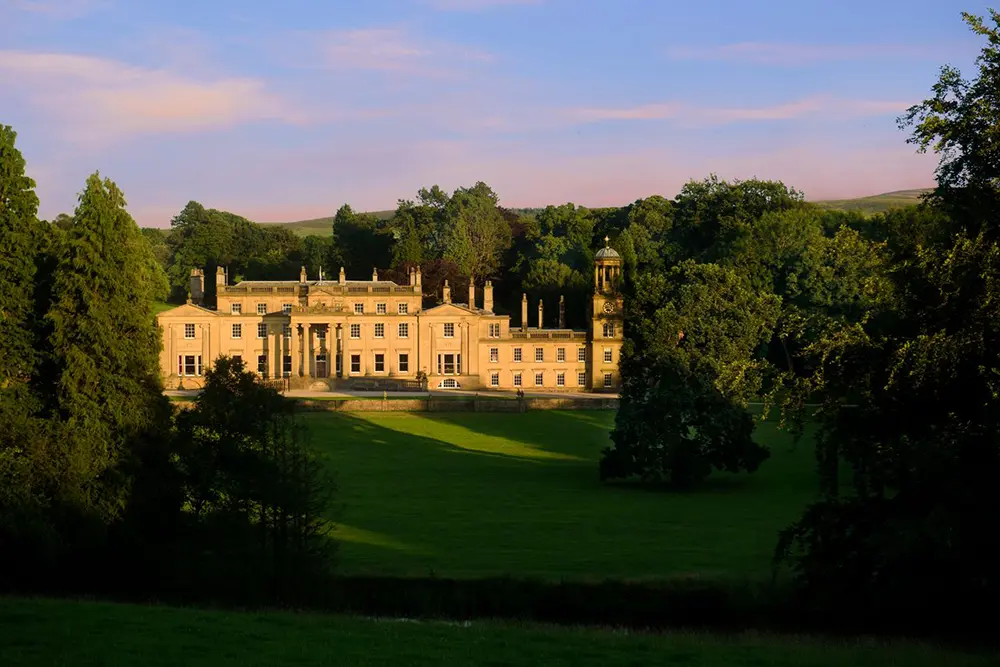
Catherine: In the most serendipitous way — in a hot tub at the Avalon Centre at Broughton Sanctuary in Yorkshire! I’d been using float tanks to help with pain during my cancer treatment, and Kirsty was conducting research into flotation and sensory rest (as a means of supporting precognition, no less!). We got talking and realised we shared a passion for inclusivity and creating spaces where sensitivity is celebrated and honoured.
Kirsty: Upon invitation from the custodians of Broughton Sanctuary, to create a truly innovative retreat, I had made some headway into creating SENSE as an initial concept for what’s known as ‘highly sensitive people’ - and yet, I was on a learning curve too about how sensitivity as an identity might be better understood, honoured and celebrated. I wondered what this could really mean for the future by virtue of that inclusivity. Thanks to that serendipitous moment of hydrotherapy, Catherine came on board as co-creator and friend. I’m truly grateful for this ‘stars aligning’ moment - that Broughton magic!
Why do you feel the world needs sensitive leaders now more than ever?
Kirsty: Sensitive people notice patterns and nuances others miss. We process deeply, which often leads to innovative and creative solutions. Historically, we’ve been told to “toughen up” or “stop being weird,” but it’s precisely in that vulnerability where our true strength lies. The world needs that kind of foresight, empathy, and creativity right now.
Catherine: Yes — deeply sensitive people bring gifts that are especially vital now: we see patterns, connections, and creative pathways that conventional thinking misses - we can often dive deep to places others can’t. Together, these gifts invite us to slow down, to rethink what resilience and intelligence look like, and to design systems that are more compassionate and sustainable. That’s a form of leadership the world is hungry for.
What makes SENSE different from other retreats?
Catherine: Choice, agency and autonomy. If a morning nap is needed over an embodied movement session, we encourage guests to prioritise and honour what they need. As a power chair user myself, I also recognise the co-occurrence of chronic illness and pain in deeply sensitive and neurodivergent communities. For this reason, the retreat offers a blend of science, art, gentle somatics, and philosophical soul, rather than a rigid schedule of exercise or meditation based offerings. At SENSE, we encourage participants to tune into what they really need in the moment. Rest, discover, belong — that’s our framework.
Kirsty: We’ve also built deep sensory rest into the schedule — optional silent retreat spaces, one-to-one therapeutic support, flexibility in mealtimes, adaptations for mobility needs. Nothing is prescriptive. It’s about creating conditions where people feel honoured, however they show up.
What will people take away from the retreat?
Kirsty: A deeper sense that their sensitivity is not a weakness, but a strength. By resting first, then exploring, participants can rediscover their innate beauty and brilliance — and once seen, it cannot be unseen.
Catherine: We want people to leave with belonging, community, and the knowledge that their deep sensitivity can be nurtured, honoured, and carried into their lives as a source of strength exactly as they are.
Finally, what simple practice can readers try at home?
Catherine: Start by asking yourself each day: What do I need right now? Not what’s expected of you, not what’s prescribed, but what your body and heart truly need in the moment. It might be rest, self-discovery, or connection. Honouring that simple question is a powerful practice of sensitivity.
SENSE Retreat takes place 10–14 October 2025 at Broughton Sanctuary, Yorkshire.
SENSE Retreat, Broughton Sanctuary Facilitators
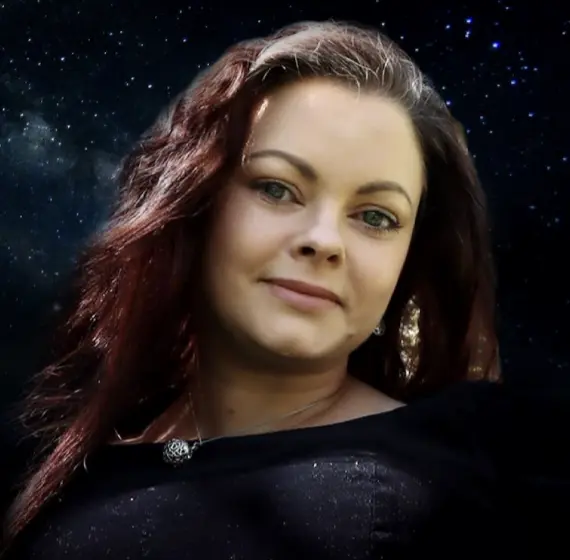
Kirsty Allan
Psychologist • Researcher • Coach • Consciousness Explorer
Kirsty is a professional coach, transpersonal psychologist and parapsychology researcher specialising in Highly Sensitive People and consciousness studies. A PhD candidate with academic and lived experience, she’s on a mission to help HSPs move from overwhelm to empowered impact.
- Creator of The HSP Retreat, The HSP Membership Club, and a self-help book for sensitive souls
- Scientific research focus: sensory processing sensitivity, parapsychology, and the generative power of consciousness for wellbeing and flourishing. This field of research is considered ‘frontier’ as it is helping to shape our collective understanding of who we are as human beings – and what we are really capable of
- Experienced educator, speaker and community leader with a background in arts and social impact
- Passionate about empowering HSPs as the natural visionaries, healers and change-makers of our time
🔗 https://kirstylucindaallan.com/
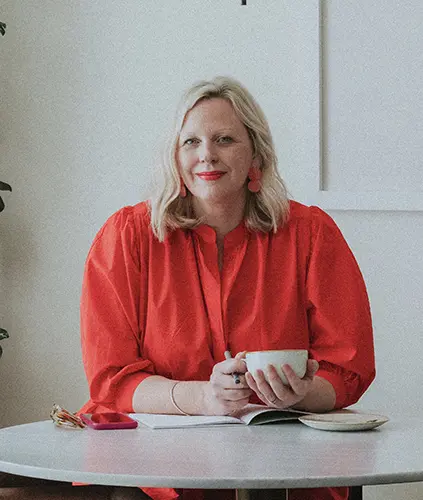
Catherine Asta
Therapist • Speaker • Author • Neurodiversity Advocate
Catherine is a trailblazer in the field of neurodivergent mental health, blending evidence-based psychological insight with intuitive, nature-rooted wisdom. Her work integrates mindfulness, compassion, storytelling and somatic practices across 1:1 therapy, group work and public platforms.
- Author of Rediscovered (published Feb 2025), a powerful exploration of late-discovered identity and personal transformation. "To be sensitive is not to be broken – it is to carry the capacity for deep, quiet power." (Rediscovered)
- Founder and host of The Late Discovered Club, the #1 ranked podcast for ‘Female Autism’ (FeedSpot, 2025), amplifying voices of late-discovered autistic women and people
- Created training for the NHS National Autism Programme, guest lectures at UCL, and recently led a 7,500-person panel for Neurodiversity Celebration Week
- Twice breast cancer survivor and nationally recognised voice featured by CNN, Financial Times, Daily Telegraph, Radio 5 Live, Women’s Health, Marie Claire and more
Filed underCancer, ADHD & neurodiversity, Meditation & mindfulness, United Kingdom, Nature, Retreat, Connection

About the author
Sarah YearsleySomatic Coach and Health and Wellbeing Writer
Sarah has been an ICF Accredited Body-Oriented Coach and Bowen Technique Therapist for more than 20 years. Her journey began in her youth when she eventually overcame a long-term critical illness. This life-changing experience ignited her passion for supporting others to navigate life’s challenges. She has built a reputation for her empathetic, professional approach and her ability to foster positive change in the lives of her clients.