
Green Living: Eco-Friendly Roof Care to Reduce Landfill Waste
Maintaining a home comes with many heavy decisions. Roof maintenance often gets ignored until a leak appears in the ceiling.
Maintaining a home comes with many heavy decisions. Roof maintenance often gets ignored until a leak appears in the ceiling. Traditional options usually mean ripping off old materials and throwing them away.
This common habit creates an enormous burden on local disposal sites. Homeowners can choose a different path by adopting eco-friendly habits. Sustainable care keeps your home safe and protects the environment.
The Scale of Construction Waste
Every year, thousands of tons of building materials end up buried in the ground. A report by a national environmental group showed that construction and demolition debris totals roughly 332 billion pounds each year. Much of this volume comes from standard home renovation projects.
Disposal sites face extreme pressure from these heavy materials. Old beams and shingles take up valuable space that cannot be recovered easily.
When people replace a roof too early, the old components fill up local dump sites. An industry study found that asphalt shingles make up about 8% of all building-related waste in the country. These materials do not disappear quickly when left in the soil.
Extending Lifespans to Prevent Discard
Homeowners can interrupt this waste cycle by choosing maintenance over replacement. When minor wear appears, scheduling a trusted roof restoration Iowa team protects the underlying structure from moisture. This simple choice saves hundreds of pounds of shingles from entering local trash facilities. Taking care of small leaks keeps the existing materials functioning for several more years.
Regular checkups stop minor damage from turning into a total loss. Property owners who track their roof health avoid contributing to the heavy pile of household garbage. Simple preventive care forms the foundation of sustainable property ownership.
The Problem with Asphalt Longevity
Asphalt shingles are popular since they are affordable and easy to install. They present a major challenge once their useful life ends. Data published by a waste management group indicates that 15 million tons of shingle waste accumulate annually in the United States. These pieces can sit in the earth for hundreds of years before breaking down completely.
The long decomposition process means today's discarded materials will impact future generations. Choosing to repair rather than replace cuts down on this permanent trash. Many people do not realize how long these products linger in nature.
Local Success in Trash Reduction
State efforts show that careful monitoring yields positive changes. An environmental department tracking study showed that landfilled roofing shingles in one state dropped from 29.5% to just 10% over 11 years. This progress proves that community awareness makes a real difference in trash reduction.
When local governments offer recycling options, contractors participate more frequently. This shift helps keep thousands of pounds of heavy items out of the local ground. Communities experience cleaner surroundings as trash trucks divert bulk materials away from normal dump stations.
The Financial Perks of Restoring
Choosing eco-friendly options provides direct advantages for your wallet. A regional building association highlighted that restoration work offers cost savings of 20 to 25% compared to complete replacements. These projects wrap up much faster, meaning less noise and disruption for your neighborhood.
Lower expenses make sustainable care attractive for property owners on a budget. Spending less money and helping the planet is a winning strategy for any household. Homeowners can use these extra funds for other smart property improvements to lower utility bills.
Applying Liquid Coatings for Protection
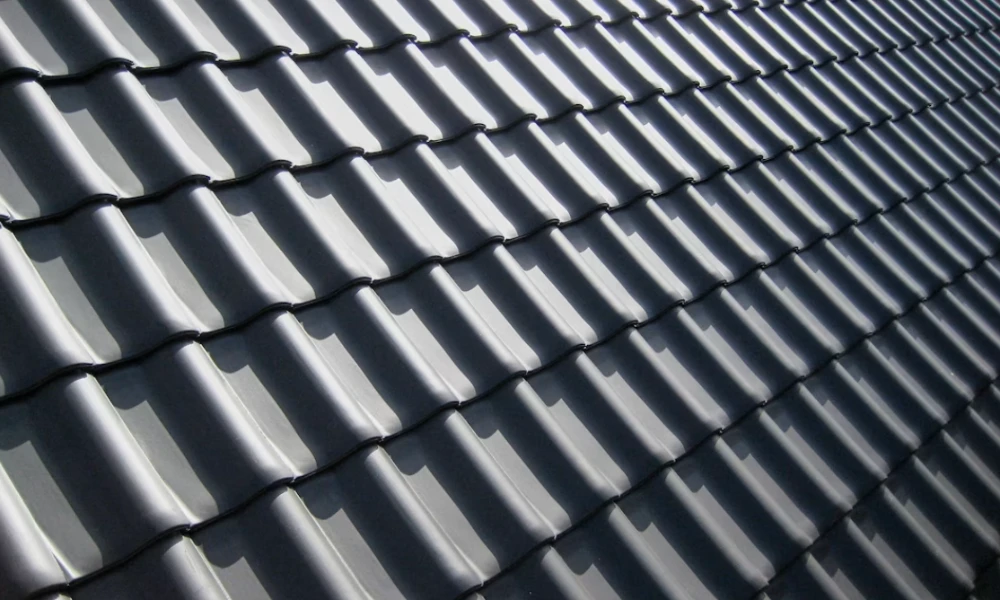
Special coatings act as a defensive shield for older roofs. An industry publication pointed out that roofing materials rank as the third largest source of landfill waste. Applying a liquid layer prevents the need for a messy tear-off process.
These liquid barriers reflect sunlight and lower home energy bills - a benefit that helps both your budget and the environment. Keeping the existing roof intact keeps heavy debris away from municipal dump yards. Property owners notice immediate comfort during hot summer months as indoor temperatures stay stable.
Recycling Shingles into Infrastructure
When a total replacement becomes unavoidable, recycling offers a secondary solution. An asphalt manufacturing group reported that the industry recycled enough residential roofing material to build 256,400 paved roads in 2024. This practice turns old shingles into smooth highways instead of leaving them in trash heaps.
Reusing these components has a massive effect on air quality and carbon emissions. A recycling data sheet revealed that shingle recycling removes the emission equivalent of 327,000 cars from roads each year. This massive reduction supports national green goals without hurting regional transportation budgets.
Simple Actions for Green Roofing
Homeowners can follow certain steps to maximize their roof life. Simple habits prevent premature aging and protect the environment.
Here are a few ways to practice eco-friendly roof care:
- Clean out gutters twice a year to stop water backup.
- Trim overhanging tree branches to prevent physical scratching.
- Inspect the attic for proper ventilation to reduce heat buildup.
- Fix missing shingles immediately after heavy windstorms.
Making sustainable choices for your home protects both your wallet and the planet. Taking care of your roof prevents unnecessary waste from piling up in local communities. Small maintenance tasks add up to big environmental benefits over the years. Every shingle saved from the landfill helps build a cleaner future for everyone.