Sports Injury Rehabilitation Makes the Difference Between Sitting Out and Getting Back In
It happens suddenly. A twist, a pull, a snap, and then that unmistakable ache that tells you something is wrong.
It happens suddenly. A twist, a pull, a snap, and then that unmistakable ache that tells you something is wrong. Whether it is a strained muscle, a sprained ankle, or something more serious, a sports injury can stop you in your tracks. At first, it might feel like a temporary setback. A few days of rest, a bit of ice, and you will be fine. But as the pain lingers or the stiffness refuses to fade, a quiet realization sets in. This will take more than rest.
That is where sports injury rehabilitation becomes essential. It is not just about recovery. It is about rebuilding, retraining, and returning to your sport stronger and more resilient than before.
Why Rest Alone Is Not Recovery
The common response to injury is to stop moving and wait for healing. Rest feels safe, logical, even comforting at first. But rest only addresses the surface level of recovery. While the body needs time to repair damaged tissues, too much rest can lead to stiffness, weakness, and loss of coordination.
When you stop using the injured area, the surrounding muscles begin to compensate. Over time, this creates imbalances that make reinjury more likely. You might feel “better” for a while, but the body remembers the weakness. The next time you push yourself, the same pain may return, often worse than before.
Rehabilitation bridges that gap between passive healing and active recovery. It teaches your body how to move again, not just how to stop hurting.
What Sports Injury Rehabilitation Really Means
Sports injury rehabilitation is a structured and science-based approach to healing. It combines medical knowledge, movement training, and strength conditioning to restore normal function. The process is guided by professionals who understand how the body heals and what it needs to perform safely again.
This type of care is not reserved for professional athletes. It is just as critical for the weekend runner, the amateur cyclist, or the parent who injured a shoulder during a workout. The principles are the same: targeted exercise, gradual progression, and a plan designed specifically for you.
If you have been injured and want to recover properly, sports injury rehabilitation can provide the expert guidance you need to regain strength, mobility, and confidence.
Understanding How the Body Heals
To appreciate why rehabilitation matters, it helps to understand what your body does after an injury. Healing happens in three main stages: inflammation, repair, and remodeling.
Inflammation occurs immediately after injury. The body sends blood, nutrients, and immune cells to the area to clean out damaged tissue. This stage causes swelling, redness, and heat, but it is necessary for healing to begin.
Repair follows, as new tissue starts forming. This phase can last several weeks. The new tissue is fragile and needs gentle movement to align properly. Without it, the fibers can form irregularly, creating stiffness and weakness.
Remodeling is the final stage, when the tissue matures and strengthens. This is when rehabilitation becomes vital. Structured exercises encourage the new tissue to adapt to real-life movement, improving flexibility, strength, and resilience.
Skipping this stage means the tissue remains weak and vulnerable. Rehabilitation ensures that healing goes beyond “pain-free” and becomes “functionally strong.”
What Happens in a Typical Rehabilitation Program
While every injury is different, most rehabilitation programs follow a clear progression. The aim is always the same: to restore the body’s ability to move efficiently and painlessly.
1. Initial Assessment
The first step is a detailed evaluation. A physiotherapist looks at the injury, how it happened, your current range of motion, and any limitations. They may observe how you walk, stand, or lift to identify compensations. This information forms the blueprint for your recovery plan.
2. Reducing Pain and Inflammation
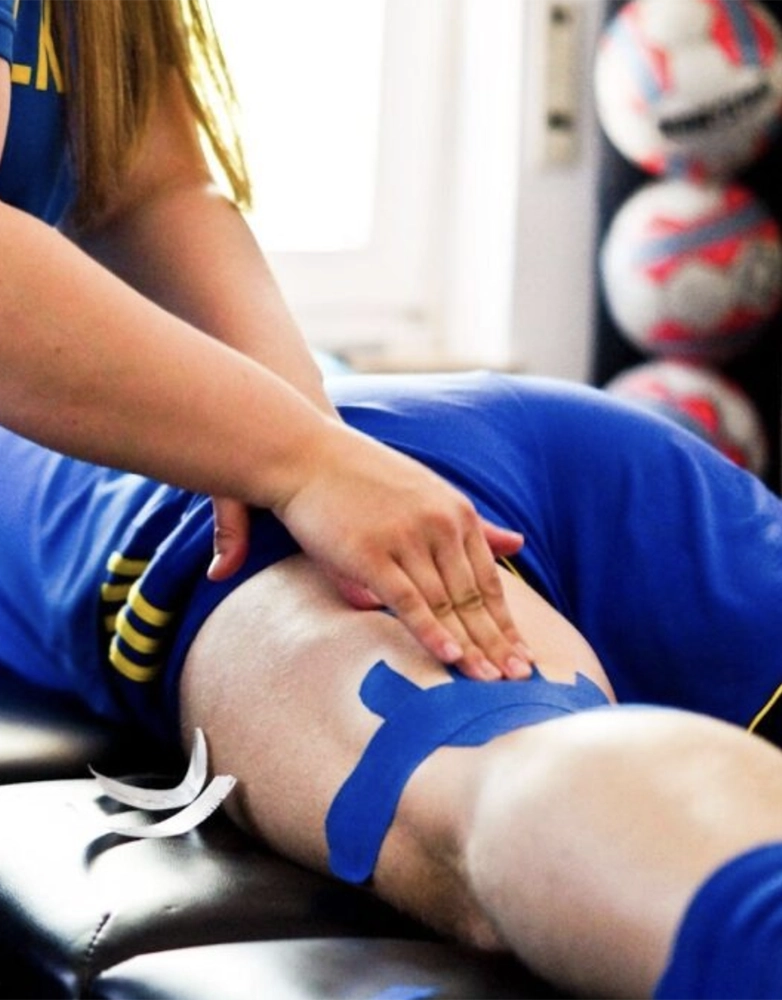
Early sessions often focus on managing pain and swelling through gentle exercises, manual therapy, and targeted movement. The goal is to reintroduce mobility without aggravating the injury.
3. Restoring Flexibility and Range of Motion
When an area has been injured, the muscles around it tighten to protect it. Over time, this limits movement. Stretching, guided mobility drills, and low-impact exercises help release that tension. Regaining range of motion is essential before strength training can safely begin.
4. Rebuilding Strength
Once mobility returns, strengthening exercises are introduced. These focus not just on the injured area, but on the surrounding muscles that support it. If you injured your knee, for instance, the program will strengthen your hips, glutes, and core to ensure stability.
This phase requires patience. Strength does not rebuild overnight. Each exercise prepares your body for the next level of challenge.
5. Improving Balance and Coordination
Injuries disrupt the body’s sense of balance, known as proprioception. You might not notice it consciously, but your body is constantly adjusting to maintain stability. Rehabilitation retrains this system through balance drills and controlled movement patterns.
This step is crucial in preventing future injuries. It ensures that your body knows how to respond automatically when you pivot, jump, or land.
6. Sport-Specific Conditioning
As strength and coordination return, your physiotherapist begins reintroducing sport-specific movements. Runners may work on stride patterns. Tennis players may practice lateral movement and shoulder control. The goal is to make sure your body can handle the exact stresses of your sport again.
7. Prevention and Maintenance
Rehabilitation does not end when you feel better. The final stage involves learning how to maintain your progress. Your therapist will teach you how to warm up properly, recognize early warning signs, and balance training with recovery. This education helps ensure you do not find yourself back in the same situation months later.
Why Professional Guidance Makes a Difference
It can be tempting to take recovery into your own hands. Online videos and generic workout plans promise fast fixes. But the truth is, without professional guidance, it is easy to do too much too soon or too little for too long.
A qualified physiotherapist understands the difference between discomfort that builds strength and pain that signals harm. They know how to adjust intensity, frequency, and load in ways that respect your body’s timeline.
Working with a professional also provides accountability. You are less likely to abandon your recovery halfway when someone is tracking your progress and helping you stay on course.
The Psychological Side of Injury
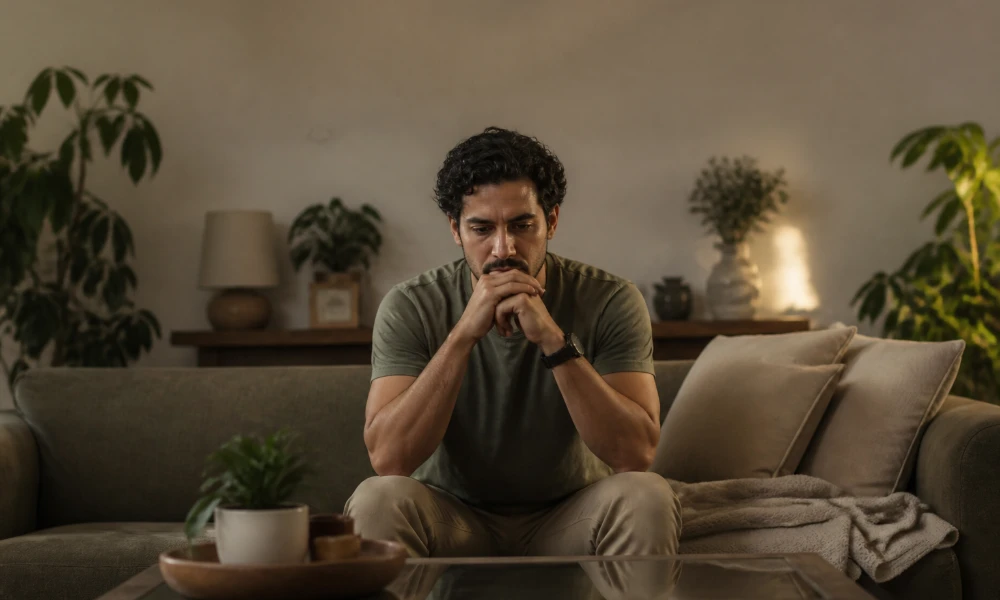
Sports injuries do not only affect the body. They take a mental toll. Athletes often experience frustration, anger, or even depression during recovery. Being sidelined from something you love can make you feel isolated or anxious.
Rehabilitation helps with this too. It provides structure and measurable progress, giving you something tangible to focus on. Small wins — like bending your knee a few more degrees or completing an exercise without pain — become powerful motivators.
As your body heals, so does your mindset. You begin to replace fear with confidence. That shift is as important as any physical milestone.
Common Mistakes During Recovery
Even with the best intentions, people often make avoidable mistakes during recovery. Some try to “push through” pain, assuming discomfort is part of progress. Others stop as soon as the pain disappears, thinking the problem is solved. Both approaches can delay healing.
Pain is a signal, not a challenge. Ignoring it can lead to chronic issues. On the other hand, stopping too early means the tissues never fully adapt to normal use, leaving them weak and vulnerable.
Another common mistake is focusing only on the injured area. The body works as a system. If one part is compromised, others will overcompensate. Proper rehabilitation restores balance across the whole body.
When to Seek Help
You do not have to wait for a severe injury to seek help. In fact, the earlier you begin rehabilitation, the better the outcome. Consider professional support if:
- Pain or swelling lasts more than a few days.
- Movement feels limited or unsteady.
- The same injury keeps returning.
- You are unsure how to exercise safely after injury.
- You have had surgery or a serious strain or sprain.
The sooner you begin rehabilitation, the sooner you can prevent chronic issues from developing.
What Progress Really Looks Like
Progress in rehabilitation rarely feels dramatic. You may not wake up one day completely healed. Instead, you will notice subtle but meaningful changes. Movements that once felt stiff become easier. Pain fades from sharp to dull, then disappears entirely. Strength and confidence slowly replace hesitation.
Each stage of progress builds on the last. It can be frustratingly slow at times, but it is steady. The real milestone is not just being pain-free but moving without fear.
That is when you know you are ready to get back in the game.
The Role of Rehabilitation in Prevention
One of the greatest benefits of proper rehabilitation is injury prevention. Once you understand how your body moves, you begin to recognize patterns of tension, imbalance, or fatigue before they become problems.
A good rehabilitation program does not just restore you to where you were before. It improves you. You come back with better movement mechanics, greater strength, and a clearer sense of your physical limits.
These lessons carry over long after the injury has healed. You warm up differently. You recover smarter. You respect your body’s signals. That is what longevity in sport truly looks like.
Building Resilience, Not Just Strength
Rehabilitation teaches resilience. You learn to be patient with your body and to trust the process. Injuries remind you that progress is not linear, and neither is healing. There are days when you feel strong and others when everything feels slow. Both are part of recovery.
This resilience often transfers beyond sport. The same discipline and awareness you develop during rehabilitation show up in other parts of life. You begin to approach challenges with steadier focus and less frustration.
Returning to Sport
When you finally return to your sport, it should not feel like starting over. It should feel like returning home to a body that now knows itself better. You will likely notice improvements you did not expect. Movements feel smoother. You control your balance with less effort. You react faster, move smarter, and recover more efficiently.
This is what proper rehabilitation gives you. It turns recovery into refinement.
Life Beyond the Injury
The best athletes are not the ones who never get hurt. They are the ones who recover well. Injury is not an ending; it is an opportunity to rebuild correctly. With professional rehabilitation, you gain more than a healed body. You gain awareness of how to protect it for years to come.
Even if you never return to competitive sport, the principles of rehabilitation continue to serve you. They help you move comfortably through daily life, maintain strength, and reduce the risk of age-related injuries.
Your body is designed to heal. Rehabilitation teaches it how.
Filed underAnxiety, Depression, Stress & burnout, Injury & recovery, Physiotherapy, Fitness & movement, India & Sri Lanka, Energy & vitality, Longevity