
By the time most people are figuring out their first job, Sanjeev Nachiappan was already structuring deals designed to pay him indefinitely.
At just 23 years old, Nachiappan is a multi-millionaire. Not because he became an influencer himself. Not because he chased attention or personal branding. But because he mastered something most people in the creator economy completely overlook: backend ownership, royalties, and leverage that compounds quietly over time.
His rise did not happen in public view. In fact, it was designed not to.
Seeing the Flaw in the Influencer Economy Early
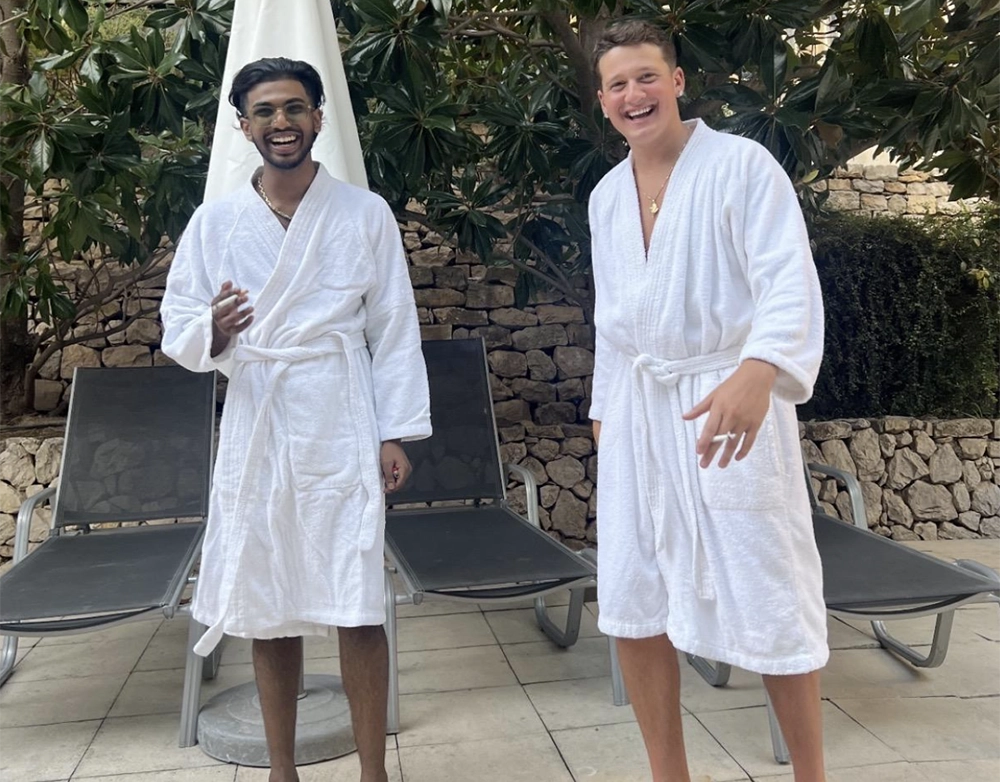
Sanjeev Nachiappan – Tanner Fox – Jack Doherty in West Hollywood, California USA
Long before influencer management agencies became saturated, Nachiappan identified a critical flaw in how value flowed through the creator economy.
Influencers were generating massive top-line revenue. Managers were collecting monthly retainers. Agencies were brokering brand deals. But very few people were thinking about perpetual ownership.
Nachiappan took a different approach early on. Instead of charging upfront fees, he structured agreements centered around revenue share, royalties, and equity. The premise was simple: if he helped build the infrastructure, monetization, and growth engine, he would own a piece of the outcome.
These were not short-term contracts. Many were designed to last indefinitely.
The NDA Wall No One Talks About
When asked directly about which influencers he works with, Nachiappan is careful. He has to be.
According to him, nearly all of his most lucrative arrangements are bound by strict non-disclosure agreements. Not just for him, but for the influencers themselves.
This has led to a fascinating dynamic behind the scenes.
As influencers grow and bring on new managers or agencies later in their careers, questions inevitably come up. New teams notice that 10% or more of top-line revenue is automatically paid to an outside company. When they ask why, the influencer cannot explain.
All they are allowed to say is that there is a pre-existing agreement with a company that invested in them early, and that continued revenue sharing is a non-negotiable part of their business.
That company traces back to Nachiappan.
The agreements are invisible, perpetual, and quietly enforced. And they continue paying regardless of who is “managing” the influencer at any given time.
Ownership Without Day-to-Day Involvement

While Nachiappan still provides value through his relationships with top talent agents and managers, he has intentionally distanced himself from daily influencer operations.
Between the ages of 18 and 21, he built a talent and influencer management operation from the ground up. That system still exists today, largely automated, but it is no longer where his focus lies.
He has been explicit about why.
He does not want a long-term career dealing with influencers on a daily basis. The volatility, the personalities, the constant communication cycles. For him, it was a means to an end, not the end itself.
Once the systems were built and the deals locked in, he stepped back.
The revenue continued.
From Royalty Cash Flow to Empire Building
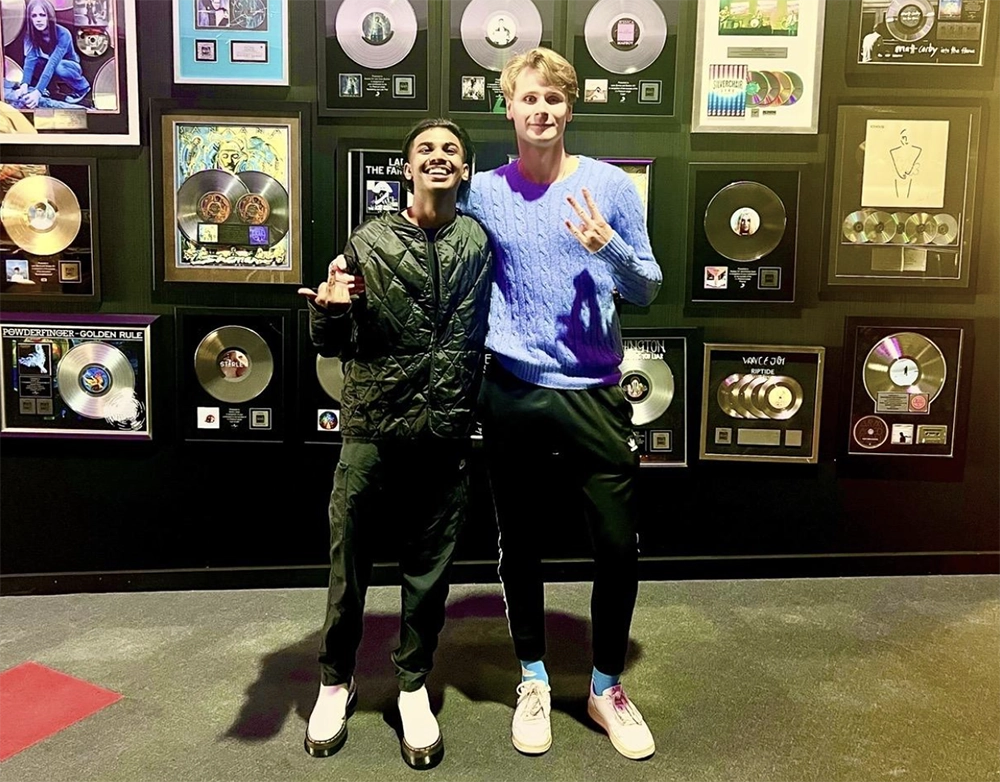
Sanjeev Nachiappan and Bobby Misner at Studios 301 in Sydney Australia
At the height of his influencer backend operations, Nachiappan experienced multiple $100,000 days. But what mattered more than the numbers was the nature of the income.
This was not income tied to time. It was income tied to ownership.
Those royalty streams became the financial base layer of his empire. Stable, predictable, and largely passive. Instead of scaling lifestyle expenses, he used that cash flow to fund his next phase of growth.
That phase is eCommerce.
Applying the Same Playbook to eCommerce Equity
Today, Nachiappan is expanding aggressively into eCommerce, using a similar but more lucrative model.
Rather than launching brands from scratch, he partners with existing eCommerce businesses that already have product-market fit but lack scale. He brings marketing systems, distribution, influencer access, and strategic partnerships. In exchange, he takes equity.
No retainers. No short-term consulting fees. Ownership only.
Because of his existing network of influencers, agencies, and media operators, growth can happen quickly. And unlike influencer income, these businesses offer higher margins and more control.
He sees brand building as the clearest path to nine figures.
The Long Game: Why It Was Never Just About Money

Despite the scale of what he has built at a young age, Nachiappan does not frame his ambition around wealth alone.
Before entering the business world, he attended film school. Even then, he believed filmmaking would ultimately be his life’s work. But he also believed something else just as strongly: creative freedom requires financial independence.
He dropped out with a clear plan. Build systems. Accumulate ownership. Create perpetual cash flow. Then fund his own creative vision without compromise.
Much like his business deals, the goal is permanence. To create work that exists independently of him, long after he steps away.
A Different Kind of Young Mogul
Sanjeev Nachiappan does not fit the typical image of a young entrepreneur.
He is not loud. He does not chase attention. He rarely appears in front of the camera.
Yet behind the scenes, he owns percentages of influence, brands, and revenue streams that most people would never imagine.
At 23, he is not chasing clout. He is compounding equity.
And while many influencer-driven fortunes rise and fall with algorithms, Nachiappan built something designed to endure.
Quietly. Permanently.
If this is what Sanjeev Nachiappan built quietly by 23, the most dangerous part of his story is how much leverage he hasn’t deployed yet.