Tissue engineering and regenerative medicine are groundbreaking biology, engineering, and medical domains. Regenerative medicine involves the use of natural healing processes in the body to regenerate the structure and functioning of the organ, whereas tissue engineering involves the creation of the functional biomaterial and scaffolds to re-establish or substitute the damaged tissue. These disciplines are essential to the present-day medical research, offering innovative ways of solving organ shortage, chronic illnesses, and disastrous tragedies. They offer personalized and regenerative medicines which enhance patient outcomes and quality of life by integrating ways to well stem cell, biomaterials, and biotechnology.
The unique properties of stem cells make them useful in tissue engineering and regenerative medicine. Their ability to repair and regenerate damaged tissues is because of their capacity to renew themselves and be differentiated into specialized cells. There are embryonic, adult and induced pluripotent stem cells (iPSCs), which possess varying characteristics and possible potential. The adult stem cell in most cases can only rejuvenate cells of the tissue of origin but the embryonic stem cell has the capability to form all of the cells of the body. Nevertheless, ethical issues do not arise as the reprogrammed adult cells or iPSCs can be used in the place of embryonic stem cells and provide a new approach. These varied stem cell types enable tissue engineering and regenerative medicine therapies to treat incurable diseases, traumas, and ailments.
Foundations of Stem Cells in Medicine
Embryonic Stem Cells (ESCs): Power and Ethical Concerns
Due to their pluripotency, embryonic stem cells (ESCs) are useful in tissue engineering and regenerative medicine. This provides the ESCs with immense potential in the creation of curative therapies that fix or replace destroyed tissues and body organs that hold promise in the treatment of the spinal cord, Parkinson diseases and heart diseases. The process of ESCs derivation occasionally involves the destruction of human embryos, which poses some ethical issue. Such conflicts have led to strict regulations in a majority of the countries that make a tradeoff between scientific advancement and righteousness. ESCs continue to play a role in the advanced biomedical research and are the foundations of the discoveries in regenerative medicine and the debate on their possible social and ethical impact.
Adult Stem Cells: Versatility and Limitations
Somatic stem cells or adult stem cells (ASCs) are located in the bone marrow, fat, blood, and the brain. The ASCs are more specialized than embryonic stem cells and have a specific range of cells in their tissue only. This restriction notwithstanding, ASCs are clinically relevant in maintaining and repairing tissues, given their significance. They are also under investigation in the regenerative medicine such as cartilage repair and even heart tissue regeneration after their extensive use in bone marrow transplantations in the treatment of blood diseases. ASCs facilitate the ethical use of stem cells in research and therapeutic applications, but their potential is less as compared to ESCs.
Induced Pluripotent Stem Cells (iPSCs): A Breakthrough Technology
One technological advance in stem cell technology is induced pluripotent stem cells (iPSCs). Such cells are made by reprogramming adult somatic cells such as skin or blood cells with the ability to form pluripotent cells with genetic factors. This procedure enables the use of iPSCs to emulate the embryonic stem cells (ESCs) without the ethical concern of embryos. Patient-derived ipSCs decrease immune rejection and enhance a personal therapy option. Their adaptability and similarity to ESCs make them potential instruments for tissue engineering and regenerative medicine, enabling new treatments for neurological illnesses, organ repair, and diabetes. IPSCs are leading the medical research in the sense that it is capable of generating pluripotent cells out of readily available tissues.
Mechanisms of Stem Cell Action
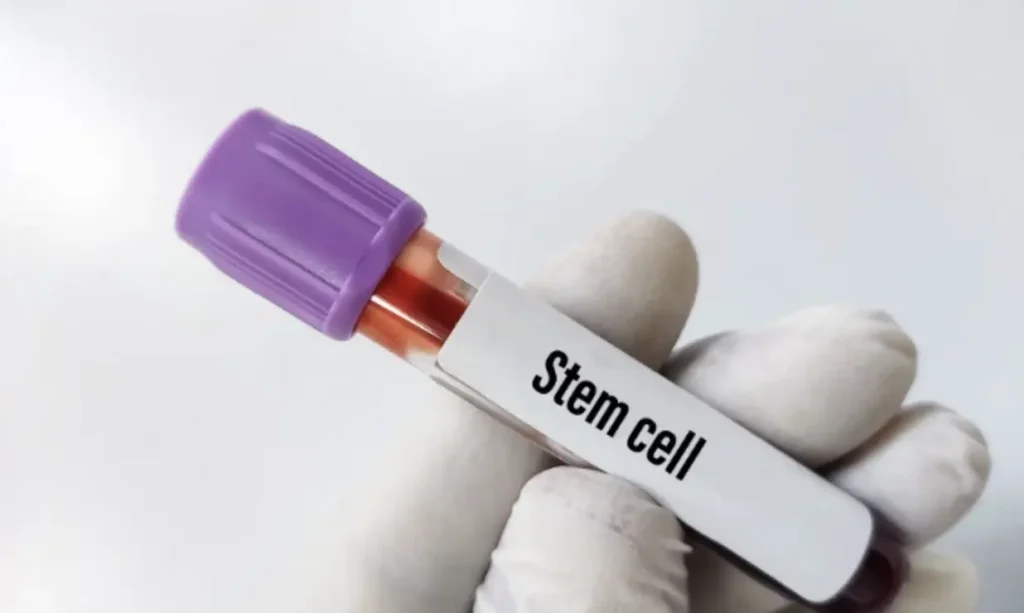
Cell specialization pathways are necessary to convert undifferentiated cells into tissue-renewing or repairing cell types in order to achieve tissue replacement. In tissue engineering and regenerative medicine, scientists use the body’s natural healing mechanism to develop viable tissue replacements. Knowledge of how stem cells differentiate into specialized cells would enable researchers to come up with new treatments to organ injury and degenerative diseases. This would enhance recovery and quality of life.
There are secreted factors that enhance repair and regeneration of tissues, which aid in healing. Stem cells among other therapeutic therapies form cytokines, growth factors and extracellular vesicles. They control immune response decreasing tissue damage and inflammation. These compounds have the property of decreasing the immunological reactivity, enhancing cellular communication, and attracting repair cells to the area of damage through the regulation of the immune system. They may help regenerative medicine interventions and patient outcomes with chronic or acute injuries because of their capacity to regulate inflammation and enhance regeneration.
Applications in Tissue Engineering
Stem cell-guided cartilage and bone regeneration could be useful in the repair of osteoarthritis and fracture repair. Researchers have used stem cells to repair damaged tissues and promote natural healing through tissue engineering and regenerative medicine. These cells may form osteoblasts to repair the bones or chondrocytes to regenerate cartilages thus it has an application in musculoskeletal issues. The region is still pushing the boundaries of using stem cells with scaffolds and biomaterials to repair skeletal traumas and degenerative joint issues.
Stem cell has enormous potential in cardiac repair particularly in regeneration of the heart after an attack. A heart attack will result in death of the cardiac muscle cells and scar tissue which will limit the pumping capabilities of the heart. Injured cardiac tissue can be regenerated using MSCs and iPSCs which is a feasible solution. Such cells will be able to transform into cardiomyocytes, or secrete bioactive chemicals that enhance angiogenesis and slow inflammation and facilitates healing. The technology of delivery by stem cell injectables like hydrogels and tissue engineered structures is being enhanced, and it would transform the prognoses of cardiac patients.
Tissue engineering and regenerative medicine are promising for spinal cord injuries and neurodegenerative illnesses like Parkinson’s and Alzheimer’s. Stem cells and bioengineered scaffolds help researchers to repair neuronal synapses and brain tissues. Biomaterials and 3D constructions are used to develop and improve neuronal functions and repair with advanced therapies. In Parkinson and Alzheimer, the use of stem cells is under investigation to treat dopamine production neurons that have been damaged or to decrease the amyloid-beta plaque. These groundbreaking applications result in how regenerative medicine can revolutionize challenging neurological diseases and improve patient outcomes.
Bioengineered skin graft with the help of the stem cells has enhanced the treatment of burns. These advancements are seeking to accelerate wound repair, reduce scarring and enhance healing of burns. Bioengineered grafts are like natural skin, and it is of the dermal and epidermal layer that is rebuilt with the help of the scaffolds that are seeded with stem cells. The stem cells enhance cell growth, angiogenesis and tissue repair as well as lower rejection. The findings give hope to patients that are undergoing a long and challenging process of recovery, through the personal and effective treatment of serious burns.
Challenges and Ethical Considerations
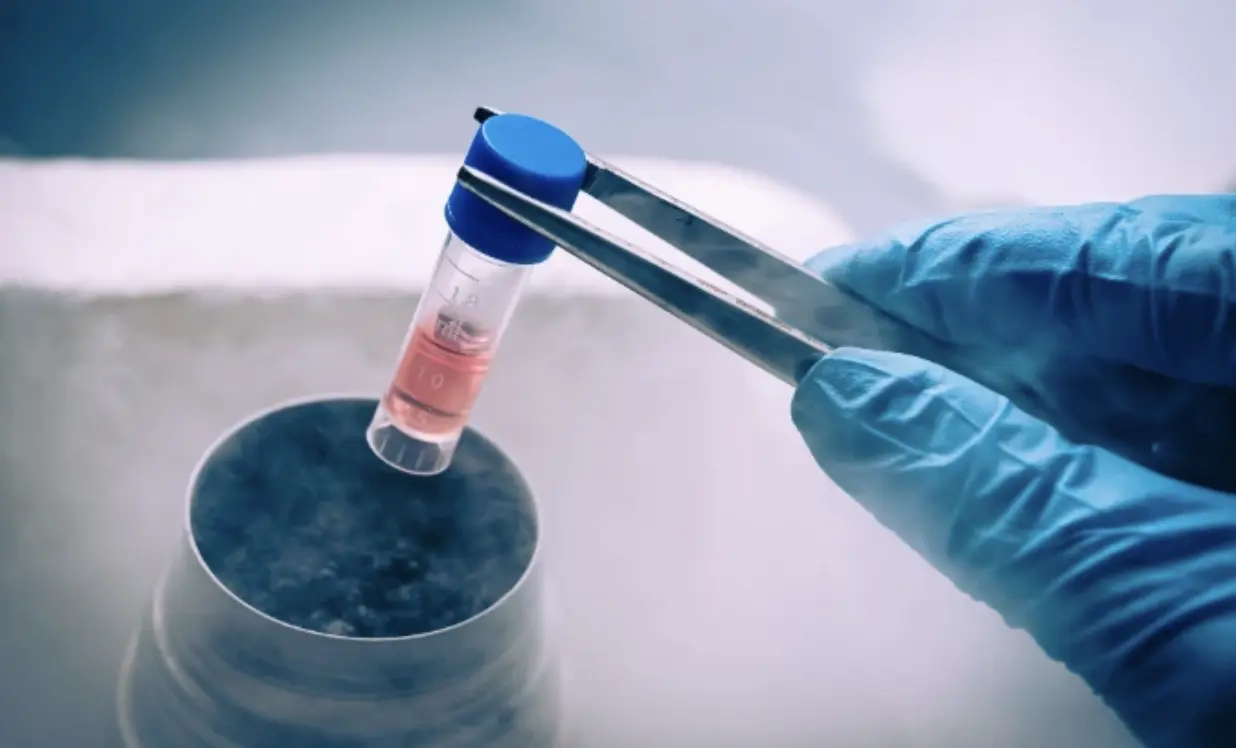
Ethics and social aspects leading to the exploration of embryonic stem cells research have raised issues of morality worldwide. Opponents argue that embryo stem cell research also has some fundamental issues about life and the ethics of such materials as research material. The differences in cultures and religion make these discussions hard and the global regulatory norms are challenging. However, embryonic stem cell research offers great promise to improve tissue engineering and regenerative medicine, offering hope for curing crippling diseases and injuries. Scholars and policy makers need to find a balance between science and morality.
Technical and biological problems need to be resolved although the potential of embryonic stem cell research is immense. The unregulated growth of the stem cells may lead to tumors particularly teratomas. This renders the safety of stem cell-based therapy challenging. The cells that are transplanted need to survive and communicate with the surrounding tissue to restore functioning thus functional integration is not easy. To overcome these challenges, improved cell differentiation, patient-specific delivery, and long-term monitoring are required to achieve the therapeutic efficacy and patient safety.
Future Directions and Opportunities
Personalized medicine and stem cells revolutionize tissue engineering and regenerative medicine. The personalization of the treatments based on the genetic makeup of a particular individual can be done using the patient-derived cells, thus reducing the chances of rejection and enhancing the effectiveness. Genetic profiling enables the physicians to attack diseases at their root. These findings make it possible to personalize therapy and hold a promise of restoring the lost tissues and organs, which was not possible to treat previously. Therefore, personalized medicine and stem cell research is transforming health care.
Stem cells have brought a revolution in medicine whereby numerous diseases and injuries are cured. Their self-renewable capacity and the development of specialized cells provides hope in curing diseases and restoration of the damaged tissues which cannot be replaced. The developments are favorable, with major issues still in place. The ethical concerns, technical difficulties such as cell behavior control, and safety of treatment are to be approached with care. It is a combination of optimism with these realities that promote tentative yet optimistic development. The future of regenerative medicine is bright as more accessible, safe, and effective medicines due to research and technological discoveries may transform healthcare.
- About the Author
- Latest Posts

Our Editorial Team are writers and experts in their field. Their views and opinions may not always be the views of Wellbeing Magazine. If you are under the direction of medical supervision please speak to your doctor or therapist before following the advice and recommendations in these articles.