
The Truth About Fixing Tired-Looking Eyes Without Surgery
You catch your reflection and wonder why you look so tired, even after a decent night's sleep. For many people, the answer sits just below the eyes, in the…
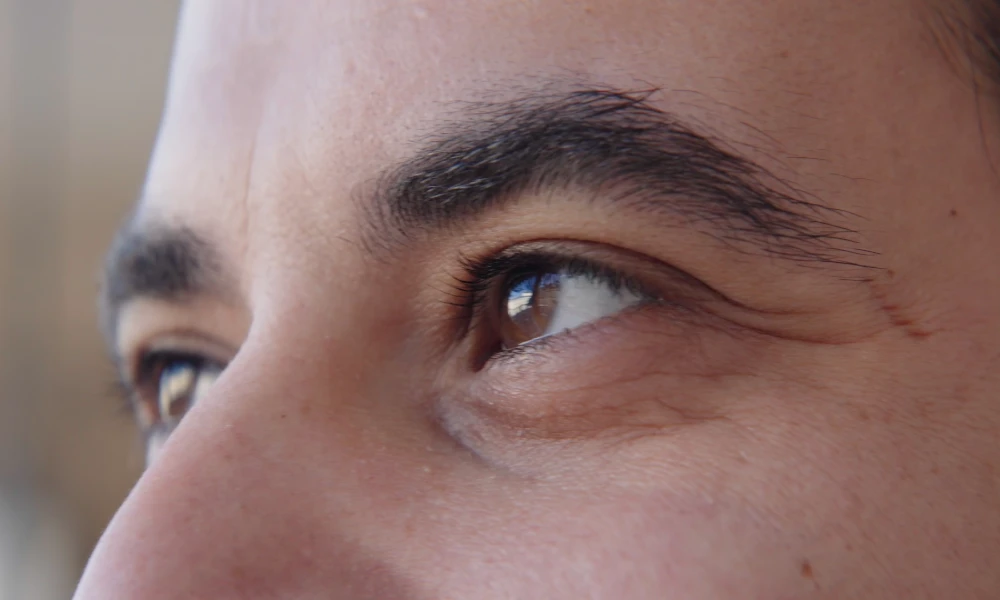
You catch your reflection and wonder why you look so tired, even after a decent night's sleep. For many people, the answer sits just below the eyes, in the hollow that creates shadows and gives the face a drawn, worn-out look. It's one of the most common cosmetic concerns, and one of the trickiest to address with creams alone.
Under-eye filler, often called tear trough filler, has become a popular non-surgical way to soften that hollow. Before you book anything, it's worth understanding what it actually does and where the limits lie.
Why the under-eye area looks tired in the first place
The tear trough is the groove that runs from the inner corner of the eye down along the top of the cheek. As we age, the fat pads that once sat plump beneath the eye shrink and shift, and the skin thins. Light falls into the resulting hollow and casts a shadow, which reads as tiredness or dark circles even when you're perfectly rested.
Genetics play a big role too. Plenty of people in their twenties already have a pronounced tear trough simply because of their facial structure, which is why this isn't only an age-related concern.
How tear trough filler works
The treatment uses a hyaluronic acid gel, the same family of substances the body produces naturally, carefully placed to restore volume in the hollow. By gently lifting the depression, the filler reduces the shadow and creates a smoother transition between the lower eyelid and the cheek.
It's a precise procedure. The under-eye area is delicate, with thin skin and important blood vessels nearby, so results depend heavily on the skill of the injector. This is not a place to chase a bargain.
Who it suits, and who it doesn't
The best candidates have genuine volume loss creating a hollow, rather than puffiness, pigmentation, or loose skin. If your dark circles come mainly from pigment or from the skin itself, filler won't fix them, and a good practitioner will tell you so.
People with significant under-eye bags or fluid retention may find that filler makes things look worse, not better. A thorough assessment before treatment is essential, and a reputable clinic will sometimes recommend against the procedure entirely.
What to expect and how long it lasts
Most people describe the treatment as quick, with mild discomfort rather than real pain. Some swelling or minor bruising in the days afterwards is normal. Results in this area tend to last a long time, often well over a year, because the tissue moves less than in other parts of the face.
One reassuring feature of hyaluronic acid filler is that it can be dissolved if you're unhappy with the outcome, which offers a safety net that surgical options don't.
It's worth going in with the right mindset. The goal of good under-eye treatment is to look rested, not overfilled. Placing too much product in this area can create puffiness or a bluish tinge known as the Tyndall effect, so a conservative, gradual approach almost always produces a more natural result than trying to correct everything in a single visit.
Choosing a practitioner you can trust
Because the under-eye is high risk and high reward, the credentials of the person holding the needle matter more than almost anywhere else on the face. Look for an experienced medical injector, ask to see genuine before-and-after photos, and be cautious of anyone promising to erase every trace of tiredness in one session.
Done well, under-eye filler can take years off a tired appearance and leave you looking refreshed rather than obviously treated. The key is realistic expectations and the right hands.
Filed underCosmetic & aesthetics