
Understanding Common Disabilities: What You Need to Know
Disabilities come in many forms and they touch the lives of millions of people every day. From physical limitations like mobility challenges to invisible…
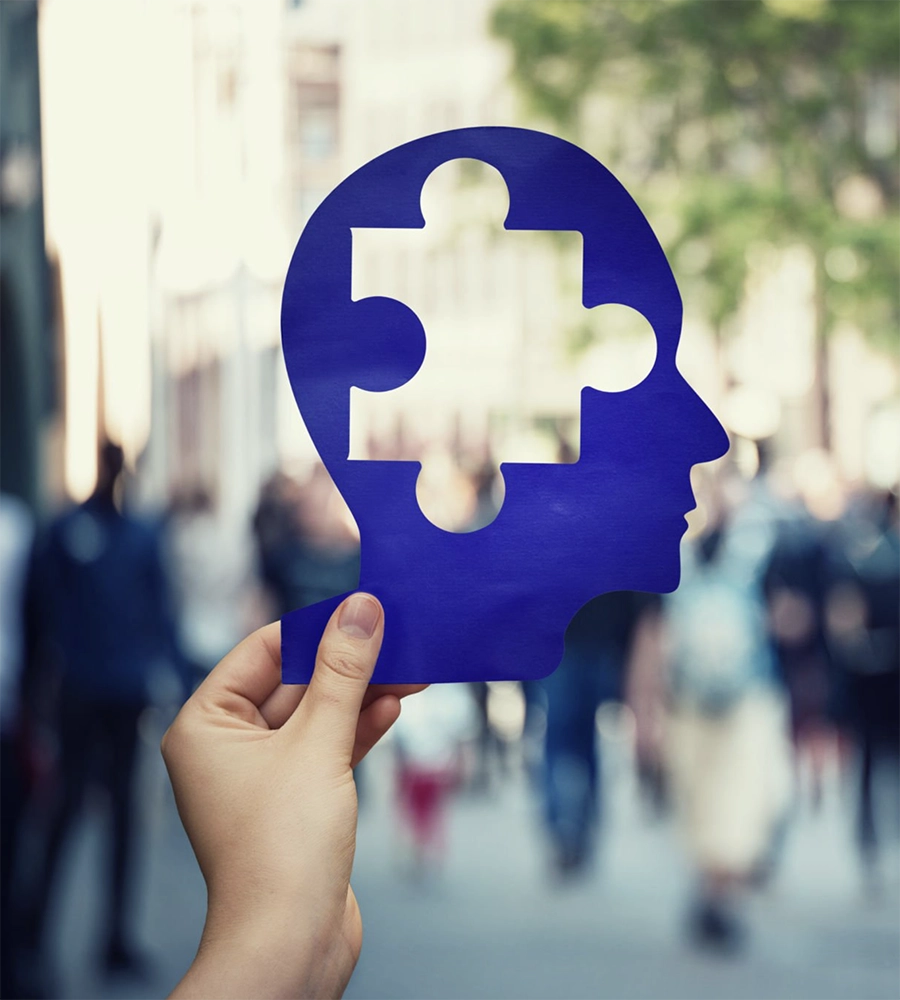
Disabilities come in many forms and they touch the lives of millions of people every day. From physical limitations like mobility challenges to invisible conditions such as anxiety or learning disorders, disabilities can impact how people work, communicate, and navigate the world.
Yet despite how common they are, there's still a lot of misunderstanding and stigma around what disabilities really mean. Understanding common disabilities and the ways they affect daily life is crucial for creating more inclusive communities and workplaces.
This guide will help you better understand common disabilities, the challenges people may face, and how we can all play a role in building a more accessible and compassionate world.
What Is Considered A Disability?
So what exactly counts as a disability? The Americans with Disabilities Act defines it as a condition that substantially limits one or more major life activities. But honestly, that's just the legal definition and it doesn't capture the full picture.
There's physical disabilities, which affect movement, coordination, or physical functioning. Mental health conditions impact emotional wellbeing and cognitive processing. Then you've got developmental disabilities that affect learning, communication, or social skills from early on.
Some people are born with disabilities, others develop them later in life through illness or injury.
Language really matters when we're talking about disabilities. Person-first language is usually best, saying "person with a disability" rather than "disabled person." It puts the person before their condition, which shows respect and recognizes their humanity first.
Physical Disabilities You Might Encounter
Physical disabilities are probably what most people think of first, but there's actually a huge range of conditions that fall into this category.
Mobility impairments are pretty common. This includes things like spinal cord injuries, cerebral palsy, or arthritis that makes walking difficult or impossible. Some people use wheelchairs, others might need canes or walkers, and some have good days and bad days.
Chronic illnesses like multiple sclerosis, Parkinson's disease, or muscular dystrophy can cause fatigue, pain, and mobility issues that change day to day. These conditions are often progressive, meaning symptoms might get worse over time.
Daily life looks different for everyone, but assistive devices and technology help tons of people stay independent. From screen readers to adaptive keyboards to service dogs, there's lots of tools that make things easier.
The Invisible Disabilities You Can't See
Mental health conditions are some of the most common disabilities, but they're often misunderstood because you can't see them. Depression, anxiety, PTSD, and bipolar disorder can seriously impact someone's ability to work, socialize, or handle daily tasks.
Learning disabilities like dyslexia, ADHD, or autism spectrum disorders affect how people process information. These aren't intellectual disabilities, people with learning differences are just as smart as anyone else, their brains just work differently.
The tricky thing about invisible disabilities is that people often don't get the support they need because others can't see their struggles. They might get judged for using accessible parking or needing accommodations at work when they "look normal."
How Disabilities Show Up at Different Ages
In kids, disabilities might show up as developmental delays, speech problems, or difficulty with social interactions. Early signs could be missing milestones, trouble communicating, or behavioral challenges that seem different from typical childhood behavior.
But not all disabilities start in childhood. Some people develop conditions later in life through accidents, illness, or just aging. A stroke might cause speech difficulties, or someone might develop arthritis that affects their mobility.
Early intervention makes a huge difference for kids with disabilities. The sooner they get appropriate support and therapies, the better their outcomes tend to be. But support shouldn't stop at 18, adults with disabilities need ongoing resources too. Early intervention makes a huge difference for kids with disabilities. A functional capacity assessment helps identify the type of support a child may need, making it easier to tailor therapies and interventions effectively. The sooner they get appropriate support and therapies, the better their outcomes tend to be. But support shouldn’t stop at 18, adults with disabilities need ongoing resources too.
How to Actually Support People with Disabilities
First off, just ask if someone needs help instead of assuming or jumping in without permission. Most people with disabilities know what they need and how to ask for it.
In the workplace, reasonable accommodations might include flexible schedules, modified equipment, or adjusted job duties. These changes usually aren't expensive and they help everyone do their best work.
Advocating for inclusion means speaking up when you see barriers or discrimination. This could be as simple as suggesting accessible meeting locations or as big as pushing for policy changes in schools and communities.
Building a More Inclusive World
Understanding disabilities means recognizing both visible and invisible challenges and appreciating the strength and resilience of those who live with them. Knowledge breaks down barriers, reduces stigma, and helps create more inclusive spaces where everyone can thrive.
Remember, small actions can make a big difference in helping people with disabilities feel seen, valued, and included in every part of society.
Filed underArthritis, Anxiety, Depression, Injury & recovery, ADHD & neurodiversity, Energy & vitality