Understanding Integrative Pain Management and How It Differs From Conventional Care
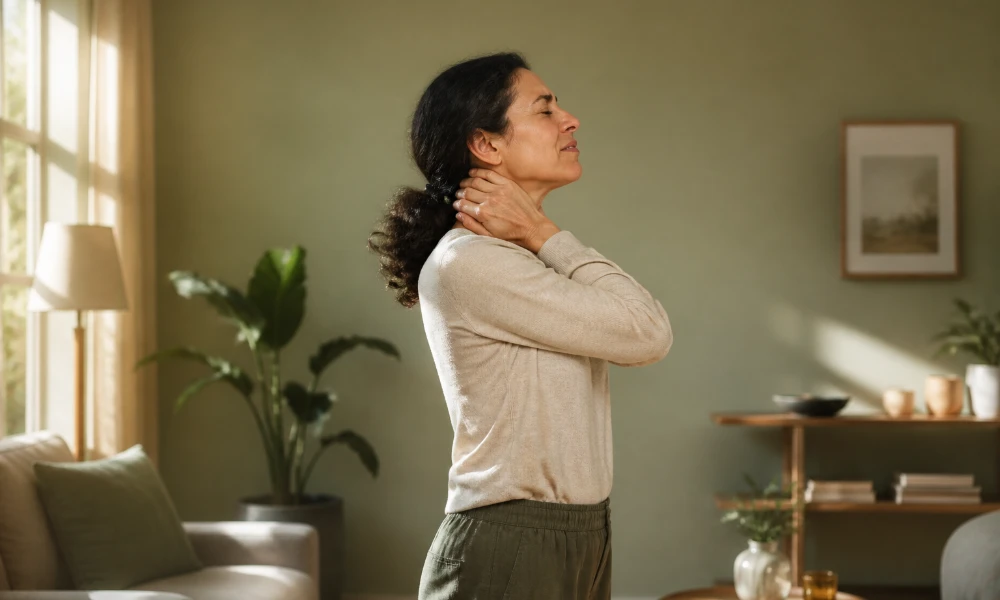
Chronic pain is experienced by around one in four US adults (24.3%), and 8.5% report having high-impact chronic pain that impairs daily activities and work.
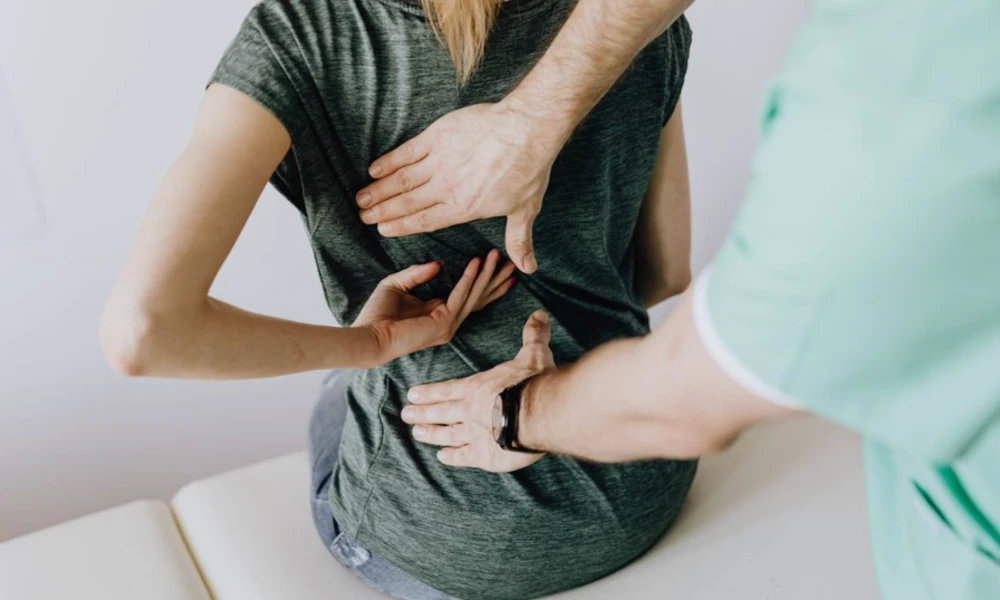
Chronic pain is experienced by around one in four US adults (24.3%), and 8.5% report having high-impact chronic pain that impairs daily activities and work. Yet traditional care tends to focus on symptoms and provide temporary solutions rather than holistic care.
Photo by Kaboompics on Pexels
As science continues to uncover more about the nervous system and wellness, more patients are seeking integrative care, which is a different philosophy of treating pain: not as something to be suppressed, but as a multifaceted signal. This article explores how integrative pain management provides a holistic, lasting path to relief.
The Core Philosophy of Holistic Care
Traditional pain management treats pain as a physical or anatomical problem. A patient with lower back pain may get an injection or a prescription, with minimal consideration for how stress, sleep, and diet could be contributing to their pain.
This isolated perspective fails to acknowledge that pain is seldom solitary. The biopsychosocial model influences chronic pain. This is a complex interplay of biological factors alongside social isolation that can exacerbate the pain signals and slow down the healing process.
In integrative pain management, the focus is expanded to consider the patient as a whole person. Providers spend time to get to know not only where it hurts, but how pain impacts daily function, mood, as well as relationships and quality of life.
This new perspective reveals root causes that standard exams often miss. Stress can tighten muscles, while poor diet can drive inflammation throughout the body. The goal is not just to reduce pain but to solve the root causes to restore patients’ lives.
How Integrative and Conventional Approaches Differ in Practice
The difference between these two models is not just philosophical, but also in terms of care structure. In traditional settings, visits are brief and focused on triage or prescriptions. Patients play a passive role, and providers rarely coordinate.
This leaves individuals to manage their own treatment. Integrative pain management, conversely, offers consultations that explore lifestyle and emotional health as well as personal goals. Patients become active partners and gain self-management skills that empower them well beyond the clinic.
The delivery model also looks remarkably different. Traditional healthcare is often fragmented. Your doctor, pain specialist, and counselor may not share information. Integrative care brings these providers together in one coordinated approach.
Providers convene frequently to review cases, modify treatments, and ensure that all are aligned with the same functional objectives. This partnership prevents conflicting advice and reduces unnecessary tests, and ensures that treatments don’t conflict but work together. This leads to less confusion and fewer appointments for patients alongside the reassurance that their care team is truly on their side.
Better Outcomes, Lower Costs, and Fewer Medications
Integrative pain management provides quantifiable outcomes. Multimodal care patients experience significant improvements in function, mood, and quality of life compared to patients receiving standard care. Pain scores alone do not measure success. Success is instead measured by markers like returning to work, playing with the children, or sleeping through the night.
This model also addresses two challenges: opioid overuse and healthcare costs. By combining non-pharmacological treatments with carefully managed medical treatments, patients may require fewer medications and face fewer side effects.
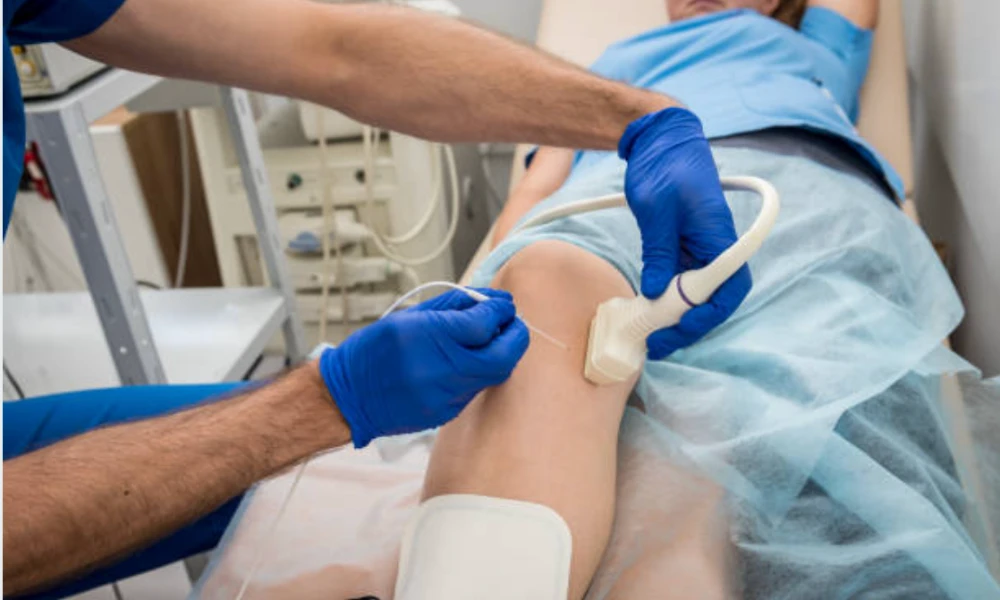
Those seeking integrative pain management in Tempe may, for example, receive physical rehabilitation, stress management, and nutrition support. These options work alongside other therapies to reduce reliance on high-risk medications. This leads to reduced emergency department admissions, hospitalizations, and repeat procedures over time, resulting in substantial cost savings to patients and the healthcare system.
Endnote
Integrative pain management is a major step forward in medicine. It shifts care from suppressing symptoms to treating the whole person. By recognizing the links between mind, body, and environment, it offers real hope for people living with the constant stress of chronic pain. Using this approach helps restore overall wellness.
Filed underBack pain, Chronic pain