
Ayurveda Explained: The Ancient Indian Approach to Health, Balance and Wellbeing
Discover Ayurveda, the ancient Indian health tradition. Explore Vata, Pitta and Kapha, Ayurvedic treatments, lifestyle practices and what science says.
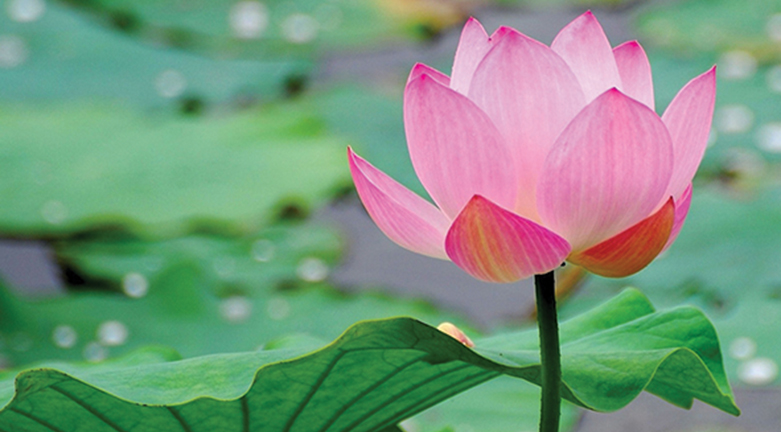
Rooted in thousands of years of Indian tradition, Ayurveda offers a distinctive perspective on the relationship between our bodies, minds, lifestyles and the natural world. But what exactly is Ayurveda, how do the three doshas influence its philosophy, and which aspects of this traditional approach can complement modern healthy living?
In a world increasingly interested in preventative health, mindful living and personalised wellbeing, ancient traditions are finding renewed relevance. One of the most enduring is Ayurveda, a system of traditional Indian medicine that places considerable importance on the relationship between our daily habits, our environment and our sense of physical and emotional balance.
The word Ayurveda comes from Sanskrit and is commonly translated as the knowledge of life or science of life. Its origins can be traced back more than 2,000 years, with teachings preserved in classical Indian medical texts and developed through generations of practitioners.
Unlike approaches that focus solely on individual symptoms, Ayurveda traditionally considers a person's lifestyle, diet, sleep, emotional state, environment and individual constitution when seeking to understand their wellbeing.
This philosophy reflects an idea that remains relevant today: our health is influenced by much more than the treatment of illness. How we eat, move, rest, manage stress and respond to the world around us can all contribute to our quality of life.
However, Ayurveda is a traditional medical framework rather than a scientifically validated replacement for conventional healthcare. Some of its lifestyle practices overlap with established health advice, while the clinical effectiveness and safety of specific Ayurvedic treatments vary considerably.
Understanding this distinction allows us to appreciate Ayurveda's cultural heritage and explore its approach to healthy living without overstating what science currently knows.
What is Ayurveda?
Ayurveda is one of the world's oldest surviving traditional medical systems and continues to play an important role in India's healthcare traditions. Its teachings are based on the belief that wellbeing depends on harmony between the body, mind, environment and patterns of everyday life.
In Ayurvedic philosophy, health is not simply the absence of illness. It also encompasses digestion, energy, sleep, emotional balance, mental clarity and a sense of connection with the wider world.
Traditionally, practitioners assess individuals according to their constitution, daily habits and perceived imbalances before recommending particular approaches to diet, movement, rest and other aspects of lifestyle.
Ayurvedic practice may include dietary recommendations, massage, yoga, meditation, breathing exercises and the use of herbal preparations. Some traditional treatments also involve cleansing procedures and products containing minerals or metals, which can carry significant risks.
The World Health Organization recognises Ayurveda as part of the wider field of traditional medicine and has published benchmarks intended to improve the quality and safety of its practice. It also emphasises the importance of evaluating traditional treatments using appropriate scientific evidence.
Understanding the three doshas: Vata, Pitta and Kapha
At the centre of Ayurveda is the concept of the three doshas: Vata, Pitta and Kapha.
According to traditional Ayurvedic teachings, these three principles describe different qualities and functions within the body and mind. Everyone is believed to possess all three doshas, although their relative proportions are thought to vary from person to person.
An individual's underlying constitution is known as prakriti, while their current state of balance or imbalance is described as vikriti.
Ayurvedic practitioners use these concepts to develop personalised recommendations intended to support wellbeing.
It is important to recognise that the doshas are traditional philosophical classifications. They are not medically established biological types, and there is currently insufficient reliable scientific evidence to show that dosha assessments can diagnose or predict disease.
Nevertheless, learning about the three doshas offers an insight into how Ayurveda approaches individual differences and encourages people to consider their habits, preferences and responses to everyday life.

Vata: The principle of movement
Air and space
In traditional Ayurveda, Vata is associated with movement, communication, creativity and change. It is linked symbolically with qualities such as lightness, dryness, coolness and mobility.
Individuals described as predominantly Vata are traditionally characterised as energetic, imaginative and quick-thinking, sometimes preferring variety and spontaneity. Ayurvedic teachings suggest that when Vata becomes imbalanced, a person may experience restlessness, irregular routines or difficulty settling.
Traditional lifestyle advice for Vata emphasises warmth, regular meals, adequate rest, gentle movement and calming activities. These can be useful general wellbeing habits, although the idea of correcting a Vata imbalance has not been clinically validated.

Pitta: The principle of transformation
Fire and water
Pitta represents transformation and is traditionally associated with digestion, metabolism, intensity and intellectual focus.
People described as having a predominantly Pitta constitution are often characterised in Ayurvedic literature as ambitious, analytical, organised and determined. Traditional descriptions also associate Pitta with warmth, sharpness and intensity.
When Pitta is believed to be out of balance, Ayurveda associates it with irritability, frustration or a feeling of excessive intensity.
Traditional Pitta-balancing recommendations include maintaining regular meals, allowing time for relaxation, avoiding excessive heat and incorporating cooling or refreshing foods into the diet.
These suggestions can provide inspiration for a more balanced lifestyle, but physical symptoms such as recurring heartburn, skin inflammation or digestive difficulties should be medically assessed rather than automatically attributed to Pitta.

Kapha: The principle of stability
Earth and water
Kapha is traditionally associated with structure, stability, nourishment and endurance. Its qualities are described as heavy, cool, steady and grounded.
People with a predominantly Kapha constitution are traditionally characterised as patient, compassionate, dependable and calm, with a preference for consistency and familiar routines.
Ayurvedic philosophy suggests that an excess of Kapha may be reflected in sluggishness, resistance to change or reduced motivation.
Traditional recommendations for balancing Kapha often focus on regular physical movement, variety, stimulating activities and maintaining an active daily routine.
While these may be positive lifestyle choices, medical conditions such as hypothyroidism, diabetes, asthma or depression cannot reliably be explained by Kapha imbalance and require appropriate clinical evaluation.
Can you have more than one dosha?
According to Ayurveda, every individual possesses qualities associated with all three doshas. Some people are considered to have one dominant dosha, while others may be described as having a combination of two or a relatively balanced distribution of all three.
This concept reflects Ayurveda's emphasis on individuality rather than a single lifestyle prescription for everyone.
However, online dosha quizzes should be approached as tools for exploring traditional ideas rather than as medical assessments. There is no widely accepted, clinically validated method for measuring the three doshas as distinct biological entities.
For those interested in Ayurvedic philosophy, the most constructive approach may be to use these descriptions as an invitation to reflect on personal habits rather than as fixed labels that determine what someone should eat, how they should exercise or which medical treatments they need.
Ayurvedic treatments: What does the tradition involve?
Ayurveda encompasses a wide range of practices, some focused on everyday wellbeing and others intended to treat particular symptoms or conditions.
Diet and mindful eating
Food plays a central role in Ayurvedic philosophy. Traditional recommendations often consider the seasons, the qualities of different ingredients, meal timing and the individual's perceived constitution.
Ayurveda also places importance on agni, commonly translated as digestive fire, which symbolises the body's capacity to digest and transform food.
Although agni is not a measurable physiological structure, the broader emphasis on eating regularly, paying attention to hunger and choosing a varied diet can align with aspects of contemporary nutritional advice.
A balanced diet containing vegetables, fruit, wholegrains, adequate protein, healthy fats and sufficient fibre remains important regardless of an individual's supposed dosha.
Restrictive diets or the elimination of entire food groups based solely on a dosha assessment may be nutritionally inappropriate.
Yoga, breathing and meditation
Yoga and meditation are closely associated with India's wider philosophical and spiritual traditions and are often incorporated into Ayurvedic wellbeing programmes.
Research suggests that appropriate yoga and mindfulness-based practices may help some people manage stress, improve flexibility and support aspects of mental wellbeing.
Breathing techniques, sometimes referred to as pranayama, are also commonly used to encourage relaxation and greater awareness of breathing patterns.
The suitability of particular techniques depends on an individual's health, physical ability and medical circumstances. Gentle practices may be appropriate for beginners, while intensive breathing exercises or physically demanding postures may require specialist guidance.
Ayurvedic massage and oil treatments
Massage is another familiar part of Ayurvedic practice. One traditional technique, abhyanga, involves applying oil to the body using rhythmic massage movements.
In Ayurvedic philosophy, oil massage is believed to support relaxation and balance particular doshas. From a modern perspective, massage may provide short-term relaxation or comfort for some people, although evidence for its effects varies according to the technique and condition being studied.
Specific claims that Ayurvedic massage removes toxins, cures disease or restores a measurable dosha balance are not supported by robust clinical evidence.
Herbal preparations and traditional remedies
Ayurveda has a long history of using plants and other natural substances as part of traditional treatment.
Well-known ingredients include turmeric, ginger, ashwagandha and triphala. Some have been investigated in modern clinical studies, but evidence varies considerably, and results for one preparation cannot be assumed to apply to all products containing the same ingredient.
Herbal remedies can interact with prescription medicines or cause adverse effects. Certain Ayurvedic products have also been found to contain potentially harmful quantities of lead, mercury or arsenic. For these reasons, herbal preparations should not automatically be considered safe simply because they are described as natural.
What is Panchakarma?
Panchakarma is a traditional Ayurvedic system of procedures intended, within Ayurvedic philosophy, to cleanse and rebalance the body.
Its name is commonly translated as five actions, referring to a collection of classical therapeutic procedures. Modern Ayurvedic retreats may offer adapted programmes that combine massage, dietary routines, rest and other wellness practices.
Although some retreats describe Panchakarma as a detoxification programme, there is insufficient reliable scientific evidence that these procedures eliminate unspecified toxins or provide the broad medical benefits sometimes claimed.
The body already has highly developed systems for processing and eliminating waste, principally involving the liver, kidneys, digestive tract and lungs.
Some traditional cleansing practices, including induced vomiting, purgation or enemas, can cause dehydration, electrolyte disturbances or other complications. Fasting may also be unsuitable for people with certain medical conditions or those taking particular medicines.
Anyone considering an intensive Ayurvedic treatment programme should understand exactly what procedures are involved, their potential risks and whether they are appropriate for their health.
What does modern science say about Ayurveda?
Scientific interest in Ayurveda continues, particularly in relation to individual plant preparations, lifestyle interventions and certain approaches to long-term health conditions.
However, evidence supporting Ayurveda as a complete medical system remains limited.
The US National Center for Complementary and Integrative Health notes that some small studies have suggested potential benefits from particular Ayurvedic preparations for conditions such as osteoarthritis and type 2 diabetes. Nevertheless, many studies have methodological limitations, and the findings are insufficient to establish Ayurveda as an effective treatment for these conditions.
It is also important to distinguish research into yoga, meditation or specific herbs from research validating the wider Ayurvedic theory of doshas and disease.
A practice can provide benefits without every aspect of the traditional explanation behind it having been scientifically established.
Ayurveda can therefore be appreciated as a historical and cultural approach to wellbeing while recognising that its treatment claims require careful, individual evaluation.
How can you explore Ayurveda safely?
For readers interested in the philosophy of Ayurveda, there are ways to engage with its lifestyle traditions without making significant or potentially risky changes to their healthcare.
Build a regular daily routine. Consistent sleep and meal times can help support everyday wellbeing.
Eat a varied, nourishing diet. Explore traditional Indian ingredients and cooking methods while ensuring meals meet your nutritional needs.
Make time for gentle movement. Yoga, walking or other enjoyable physical activities can form part of a balanced routine.
Develop moments of mindfulness. Meditation, quiet reflection and comfortable breathing exercises may help with stress management.
Pay attention to the seasons. Adapt clothing, activity and routines to changes in temperature, daylight and personal comfort.
Seek professional advice before using remedies. Speak to a pharmacist or GP before taking Ayurvedic herbs or supplements, particularly if you use prescribed medicines.
In the UK, the NHS advises checking whether an applicable herbal medicine has a Traditional Herbal Registration (THR) and avoiding unlicensed products from unreliable sources. A THR indicates that certain standards have been met, but it is not proof that the product is effective for every claimed use.
Is Ayurveda right for everyone?
Ayurveda's broader emphasis on mindful living, routine and individual preferences may appeal to people seeking a more reflective relationship with their health.
However, traditional treatment is not appropriate for every condition, and not all Ayurvedic practices are suitable for everyone.
Pregnant or breastfeeding women, children, people with liver or kidney conditions and those taking regular medication should be particularly cautious about herbal preparations. People living with diagnosed medical conditions should continue recommended treatment and discuss complementary therapies with their healthcare team.
A responsible practitioner should be transparent about qualifications, treatment methods, risks and the limitations of available evidence. They should not promise to cure serious diseases, discourage necessary medical investigations or advise patients to discontinue prescribed medication without their doctor's involvement.
Finding balance in modern life
Perhaps one of Ayurveda's most enduring ideas is that wellbeing deserves attention throughout everyday life, not only when we become unwell.
The traditional framework encourages reflection on how our habits, environment, emotions and routines influence the way we feel. While modern medicine does not recognise dosha imbalance as an established cause of disease, the value of considering lifestyle and individual circumstances is increasingly familiar within preventative healthcare.
Good health is rarely determined by one particular food, treatment or routine. It emerges from the interaction of many influences, including genetics, access to healthcare, social conditions, nutrition, movement, sleep and emotional wellbeing.
Ayurveda offers one historical perspective on these connections, inviting us to think more deliberately about how we live.
For modern readers, its most accessible lesson may be the importance of paying attention: noticing when we need rest, recognising the value of nourishment, making time for movement and allowing ourselves moments of calm in an otherwise demanding world.
By approaching Ayurveda with curiosity, cultural respect and an understanding of the scientific evidence, we can explore its traditions while making informed choices about our health.
Research and further reading
National Institutes of Health – Ayurvedic Medicine: In Depth. An overview of Ayurveda, research findings and safety considerations.
World Health Organization – Benchmarks for the Practice of Ayurveda. International guidance on practice standards and safety.
WHO – Traditional Medicine. The role of traditional medical systems and the importance of scientific evaluation.
NHS – Herbal Medicines and Complementary Therapies. Guidance on safety, interactions and seeking professional advice.
Cancer Research UK – Ayurvedic Medicine. Explanation of Ayurvedic practices and limitations of evidence for treating serious illness.
Medical disclaimer: This article is intended for educational purposes and explores Ayurveda as a traditional system of health and wellbeing. Ayurvedic concepts and treatments should not replace evidence-based medical assessment or treatment. Consult a qualified healthcare professional before taking herbal preparations, undertaking restrictive diets or fasting, or beginning intensive cleansing treatments, particularly if you have an existing medical condition or take prescribed medication.
Filed underInsomnia & sleep problems, Gut health & IBS, Herbal medicine, India & Sri Lanka, Energy & vitality

About the author
Rachel BransonFounder & Editor in Chief
With over 30 years in publishing and a background in Naturopathic Medicine, she has made it her mission to challenge mainstream health narratives and empower people to take control of their wellbeing. Now expanding her vision across the Atlantic, Rachel is bridging UK and US audiences with inspiring stories, trusted insights, and pioneering partnerships that align with a new era of health innovation.