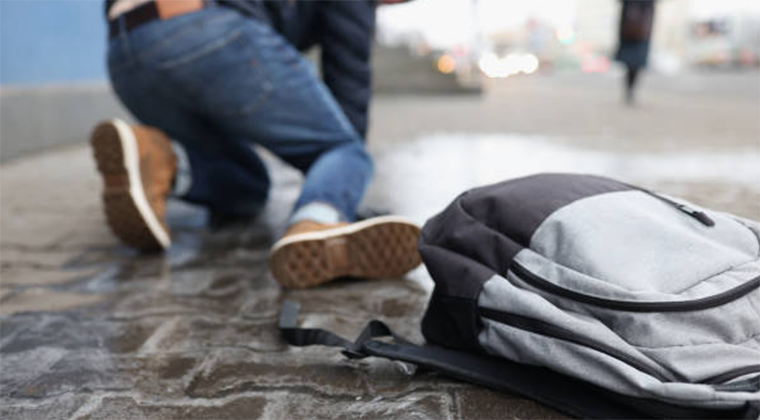
A fall looks small from the outside. Someone loses footing, there’s a quick scramble, maybe an embarrassed laugh, maybe a little dusting off. Then the real part starts.
Because the body does not always react on the spot. Adrenaline shows up and plays bouncer. Pain gets waved away at the door. Hours later, the ankle swells like a grapefruit. The back tightens. A wrist that “seemed fine” starts throbbing. And suddenly it’s not just a clumsy moment, it’s missed work, medical appointments, and that nagging thought: should this have happened at all?
In Detroit, these situations pop up everywhere. Grocery aisles with a quiet leak. Apartment stairs with a loose edge. Sidewalk patches that turn into ankle traps after a rough winter. Add Michigan’s legal rules, and what feels obvious emotionally can get weirdly technical fast. Who knew the difference between “should have known” and “actually knew” could matter so much?
So here’s the practical, real-world walkthrough. Not a sales pitch. Just the stuff that tends to matter.
The first 30 minutes matter more than people think
Right after a fall, the brain usually wants to do one of two things: minimize it or get out of there. Totally normal. Also… not ideal.
If it’s safe to stay put, a few moves can quietly protect both health and options later.
Start with the basics:
- Check for injury before standing. Sounds obvious, but people pop up on autopilot and make things worse. If there’s sharp pain, dizziness, or numbness, slow down. Ask for help.
- Report it immediately. Store manager, property manager, event staff, whoever is in charge. Not as a dramatic announcement. Just a clean, simple statement that it happened.
- Get the scene on your phone. Take photos or video of what caused it, from a few angles. Zoom out to show context. Zoom in to show detail. Lighting matters too. A hazard that disappears later is a classic problem.
- Grab witness info if anyone saw it. Names, numbers. Nothing fancy. People drift away quickly, and memories get fuzzy.
And then there’s the medical piece. Even if it feels “not that bad,” getting checked out sooner helps in two ways: it protects the body, and it creates a timeline that makes sense. Waiting a week because it “might get better” is how minor injuries become major headaches.
Somewhere in that early window, it can also help to talk with a professional who understands how Michigan premises cases actually work. That’s where a resource like a slip and fall attorney can fit naturally into the process, especially when the property owner’s insurance company starts asking questions that sound friendly but feel oddly specific.
Because yes, those calls come faster than expected.
Why do these cases get argued, even when the hazard feels obvious
Here’s the frustrating truth: property injury claims often turn into debates about details most people never notice until they’re forced to.
The usual questions sound like this:
- Was the condition actually dangerous, or just annoying?
- How long was it there?
- Did the property owner know about it, or should they have?
- Was there a warning, even a bad one?
- Was the injured person paying attention?
- Was it “open and obvious”?
That last one matters a lot in Michigan conversations. The idea is that some hazards are so visible that a visitor should reasonably avoid them. But real life is messy. A hazard can be technically visible and still dangerous in practice. Poor lighting, crowd flow, distractions, a similar-colored floor, weather, and a sudden elevation change. It adds up.
And then Michigan’s comparative negligence rule can show up. If someone is found partially at fault, compensation can be reduced by that percentage. It’s not always fair-feeling, but it’s part of the landscape. So it becomes important to document what happened in a way that explains why the fall wasn’t just “carelessness.”
That’s also why language matters. Saying “It was probably my fault” in the moment, out of politeness, can get repeated later like it’s a sworn statement. Wild, right? Better to keep it factual. “There was water on the floor near the cooler.” Clean. Simple. True.
The quiet evidence people forget to collect
A lot of strong cases are lost, not because the fall wasn’t real, but because proof fades. Fast.
Here are the big ones that tend to matter in Detroit-area claims:
1) Surveillance video
Many businesses overwrite footage quickly, sometimes in days. If a video exists, it often needs to be requested early. Waiting too long can mean it’s gone.
2) Incident reports
If a store or building creates a report, get the basics. Date, time, location, who took it. Even if they refuse a copy, knowing it exists can be useful later.
3) Shoes and clothing
It sounds silly until it isn’t. Keep the shoes in the same condition as the day of the fall. Don’t scrub them. Don’t toss them. Same with clothing if it shows damage or wetness. That physical detail can matter.
4) Medical notes that match reality
When getting evaluated, describe symptoms accurately, even the weird ones. Tingling. Headache. Balance issues. Pain that moves. Those first notes often become the foundation of the injury story.
5) A simple day-by-day journal
Not poetic. Just practical. “Couldn’t drive. Missed shift. Slept on the couch. Needed help carrying groceries.” These details show impact in a way a medical code doesn’t.
And yes, all of this can feel like overkill for “just a fall.” Until it isn’t.
Timing and deadlines: the part nobody wants to think about
The calendar is not emotionally sensitive. It does not care that recovery takes time.
Michigan personal injury claims often run under a three-year statute of limitations in many situations, meaning the lawsuit must be filed within that window. That sounds generous until it’s not. People wait because they hope things resolve. They get busy. Medical care drags out. Then suddenly the deadline is close and the case feels rushed.
And if a fall involves a government-related property like certain public sidewalks or municipal buildings, special notice rules can apply. Those can be much shorter and more technical. This is one of those “don’t guess” moments.
So even if the plan is to handle things calmly and thoughtfully, it helps to understand what clock is running in the background.
Prevention is not just a safety talk, it’s a strategy
It’s easy to treat prevention like a separate topic, like it belongs in a wellness blog instead of a legal conversation. But prevention connects to real-world claims in two ways:
First, it reduces risk, obviously. No one wants to deal with months of back pain because of a patch of ice.
Second, the habits that prevent falls also tend to create awareness. People who notice lighting, traction, clutter, and uneven surfaces tend to describe hazards more clearly when something does go wrong. And clarity is power.
For seasonal conditions, especially, it’s worth keeping a few practical reminders in rotation. Things like slowing down on wet tile, using handrails even when it feels unnecessary, and choosing footwear that actually grips. There are also simple home and routine changes that lower risk, particularly for older adults or anyone rehabbing an injury. If winter is a regular culprit, these tips for avoiding slips and falls this winter are a solid checklist to keep in the back pocket.
And if a fall already happened? Prevention shifts into recovery. Balance work, strength rebuilding, and gait stability. Not glamorous. But it’s how people get their confidence back.
The insurance call: friendly tone, sharp purpose
At some point, an adjuster may call. They often sound kind. Casual, even. Like they’re just trying to “get the story.”
But those conversations have a job: minimize payout and assign responsibility wherever possible.
A few protective habits help:
- Don’t guess. If something is unknown, say it’s unknown.
- Don’t overshare medical history. Keep it focused on the injury and event.
- Don’t agree to a recorded statement without understanding the implications.
- Don’t let politeness turn into blame.
Here’s the sneaky part. Many people think honesty means answering every question fully, immediately, on the spot. Real honesty can also look like: “Not comfortable answering that right now.” Or: “Need to review the details first.” That’s not evasive. It’s careful.
And care is allowed.
So what’s the point of all this?
A fall can be just a fall. Or it can be the moment that kicks off a long stretch of doctor visits, lost income, and lingering pain that changes routines in ways nobody expects.
The best approach is oddly balanced: take it seriously, but stay calm. Document what’s real. Get medical care early. Keep the story factual. Pay attention to deadlines. And if the situation starts feeling bigger than it should, get guidance sooner rather than later.
Because a messy situation doesn’t need to become a confusing one. And it definitely doesn’t need to become a lonely one.
- About the Author
- Latest Posts

Our Editorial Team are writers and experts in their field. Their views and opinions may not always be the views of Wellbeing Magazine. If you are under the direction of medical supervision please speak to your doctor or therapist before following the advice and recommendations in these articles.