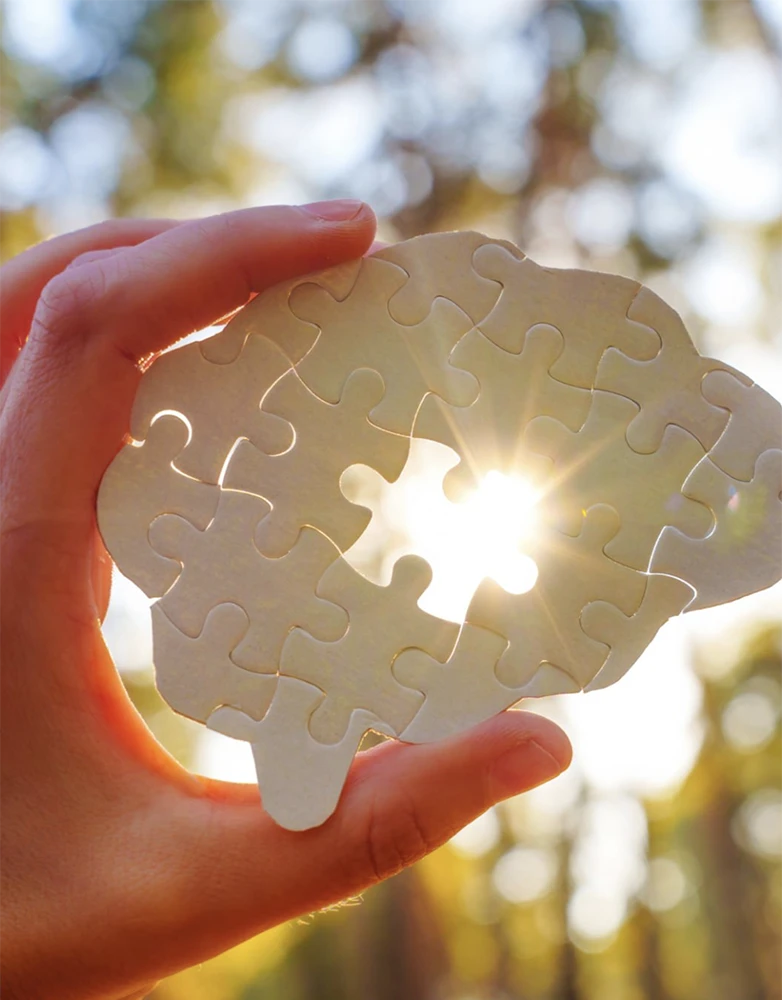
Mental health care keeps evolving, and the pace can feel both reassuring and a little dizzying. People want options that fit their lives, not just checklists of symptoms and steps. The broader landscape now includes a mix of clinical tools, lifestyle approaches, and supportive practices that help people feel more grounded. No single path works for everyone, which is exactly why the variety matters. The conversation has widened, and with it comes a sense of freedom that people once had to fight to find.
Looking At Mental Health From A Whole Person Perspective
Support works better when it acknowledges that people are complex. Emotional well being rarely depends on just one factor, so treatments now consider the intersections between biology, stress, identity, relationships, work, and daily habits. That shift invites people to speak honestly about what they need instead of scraping together whatever fits the old mold. It encourages conversations that make room for nuance and encourages providers to personalize care in a way that respects each person’s capacity, history, and goals. This broader viewpoint also keeps hope alive, since most people feel more empowered when they’re met with understanding instead of one size fits all expectations. Healing becomes more attainable when care honors the entire person.
Exploring Complementary Approaches To Support Care
Some people find value in practices that aren’t traditionally part of clinical treatment. These options tend to work alongside established care rather than replacing it. They help people connect with their bodies and manage tension, which can make it easier to navigate daily challenges. The conversation around supplements appears often, and while evidence varies, some users note steady benefits from particular products. Kine CBD products, for example, are well known for their role in stress support for certain individuals, though it’s important to keep expectations grounded and centered on what feels safe and appropriate. Many of these complementary practices appeal because they give people something they can control, which can be comforting when life feels unpredictable. As always, guidance from a qualified clinician helps people make informed choices and avoid interactions or disappointments.
Therapies And Tools That Strengthen Emotional Resilience
The mental health field continues to broaden its understanding of what resilience looks like. People respond to stress through a mix of learned patterns and instinctive reactions, and it helps when treatment speaks to both. That’s where a growing interest in supportive practices comes in, especially approaches that encourage body awareness and present moment focus. There’s also curiosity around structured programs that combine mindfulness, gentle movement, or creative outlets with talk based care. These options make room for small breakthroughs that happen through experience rather than analysis alone. Interest has also grown around alternative therapies for mental health as people seek a wider set of tools. While research varies across categories, the common theme is the desire for supportive methods that help regulate stress, foster calm, and build a sense of steadiness. The variety of approaches gives people room to experiment and discover what aligns with their comfort level and needs.
Lifestyle Factors That Influence Well Being
Daily habits can play a meaningful role in emotional balance. Consistent sleep, balanced nutrition, social connection, movement, and time in nature all contribute to a steadier baseline. Even small adjustments can create momentum, like setting a predictable wind down routine or carving out brief pockets of calm during busy days. Lifestyle strategies can support treatment by helping people feel more anchored between therapy sessions or during times when stress rises. They offer day to day scaffolding that keeps people engaged in their own healing. These changes don’t need to be dramatic, and many people prefer simple tweaks that feel achievable. Over time, these habits build a foundation that makes it easier to manage stress, maintain perspective, and stay open to growth.
Technology’s Expanding Role In Care Access
Access to support has changed significantly thanks to digital tools. Virtual therapy allows people to connect with licensed clinicians without rearranging half their schedule or traveling long distances. Mental health apps add another layer, offering guided exercises, mood tracking, and reminders that help people stay connected to their goals. While digital tools aren’t replacements for in person treatment when deeper care is needed, they make support more reachable. They also help people develop awareness of patterns, especially when tracking sleep, stress, or mood shifts over time. Technology makes it easier to ask for help in the first place, which is often the hardest step.
Community And Connection As Part Of Emotional Well Being
People often underestimate how much connection shapes mental health. Supportive relationships act as a stabilizing force, especially during stressful periods when everything feels a bit too loud. Even casual interactions can soften the weight of the day, helping people feel less isolated and more understood. Community doesn’t have to mean a big social circle, it can be as simple as one or two people who offer steady presence. Many find that joining interest based groups, volunteer projects, or peer support spaces creates a sense of belonging that reinforces progress made in therapy or other forms of care. Connection reminds people that they’re not moving through challenges alone, and that steady companionship can make a noticeable difference in emotional resilience.
Mental health care continues to evolve, and people now have more ways to feel supported without feeling boxed in. With an expanded toolkit and a broader understanding of what healing can look like, individuals can shape a path that actually fits their needs. The most meaningful progress usually comes from a mix of approaches that feel sustainable and personal, and that sense of agency is worth protecting.