
Many parents in Cheshire, CT wait until their child’s teen years to think about braces. It seems logical—why worry about alignment when baby teeth are still falling out? But this common approach can lead to missed chances to fix problems early. Some dental issues begin long before all adult teeth come in, and by the time they are visible, they may already be harder to manage. Early orthodontic treatment is not just about straightening teeth for appearance. It focuses on guiding growth, improving function, and preventing more serious concerns. Understanding this early stage of care can help parents make better choices and avoid more complex treatment later.
Understanding Early Orthodontic Care
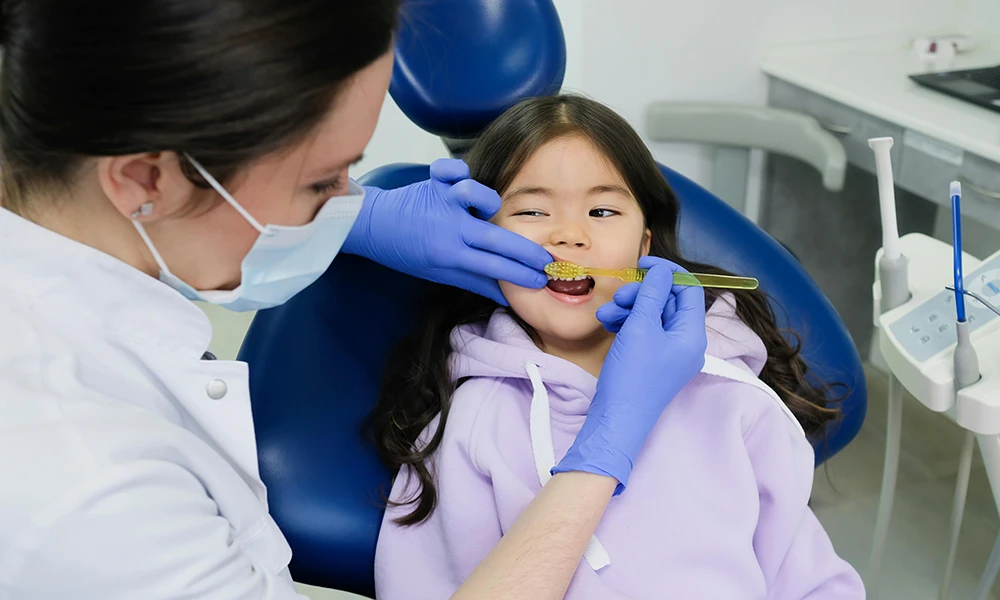
Early orthodontic treatment usually begins when a child is between seven and ten years old. At this stage, a mix of baby teeth and adult teeth allows orthodontists to see how the mouth is developing. This does not always mean braces are needed right away. In many cases, the goal is to observe growth and step in only when needed. Small adjustments at the right time can make a big difference later. Parents often think treatment starts only when all adult teeth are in, but early care focuses on timing, not urgency. It gives orthodontists a chance to guide natural development instead of correcting problems after they fully form.
Look up Cheshire orthodontist CT to find trusted local guidance for your child’s needs.
Catching Problems Before They Grow
Some orthodontic issues do not look serious at first. A slight crowding or a small bite problem may seem harmless, but these can become more noticeable as a child grows. Early check-ups help identify these concerns before they turn into bigger challenges. When problems are caught early, treatment can be simpler and less invasive. It also reduces the chance of long-term discomfort or uneven wear on teeth. Parents often wait for visible signs, but not all issues are easy to spot at home. Regular early evaluations allow professionals to track changes over time and act before the situation becomes harder to manage.
Guiding Jaw Growth the Right Way
A child’s jaw is still developing, which creates an opportunity to guide how it grows. If the upper and lower jaws do not align properly, it can affect chewing, speaking, and overall comfort. Early orthodontic care can help direct jaw growth so that everything fits together more naturally. This approach works with the body’s natural changes instead of trying to fix them later. Once growth slows down, adjusting jaw position becomes more difficult and may require more involved treatment. Addressing these concerns early can support a better balance in the face and improve how the teeth come together over time.
Creating Space for Permanent Teeth
As adult teeth begin to come in, they need enough room to settle into the right position. When there is not enough space, teeth can crowd, overlap, or grow in the wrong direction. Early orthodontic treatment can help create or maintain that space. This might involve guiding how certain teeth move or making room before crowding becomes severe. By managing space early, orthodontists can help permanent teeth come in more evenly. This often reduces the need for removing teeth later. It also supports a more natural alignment, which can make future treatment shorter and easier for both the child and the parent.
Improving How the Bite Works
A proper bite allows teeth to come together in a way that supports normal chewing and speaking. When the bite is off, it can cause uneven pressure on certain teeth and lead to discomfort over time. Early orthodontic care can correct bite issues such as overbites, underbites, or crossbites before they become more noticeable. Fixing these concerns early helps the mouth function better on a daily basis. Children may find it easier to eat and speak clearly. It also reduces the risk of long-term strain on the jaw. Addressing bite problems early focuses on function, not just how the smile looks.
Making Daily Cleaning Easier
Teeth that are crowded or uneven can be harder to clean properly. When food gets trapped in tight spaces, brushing and flossing become less effective. This can lead to plaque buildup, cavities, and gum irritation over time. Early orthodontic treatment helps create better spacing and alignment, making daily cleaning more manageable. Children who can clean their teeth well are less likely to develop long-term oral health issues. Good habits also become easier to maintain when the teeth are easier to reach. This benefit often goes unnoticed, but it plays a key role in keeping the mouth healthy. Early alignment supports not just appearance, but everyday hygiene and long-term dental care.
Lowering the Risk of Dental Injuries
Teeth that stick out, especially front teeth, face a higher risk of damage. Children who play sports or stay active are more likely to experience falls or contact that can chip or break these teeth. Early orthodontic care can move these teeth into a safer position. This reduces the chance of injury and protects the structure of the teeth. Fixing this early can prevent the need for repairs like bonding or crowns later. It also helps parents feel more at ease knowing their child’s teeth are less exposed. This is an important benefit that goes beyond appearance and focuses on protecting long-term dental health.
Building Confidence During Early Years
Children become more aware of their appearance as they grow. Dental issues like crowded or misaligned teeth can affect how they feel about their smile. Some children may avoid smiling or feel uncomfortable in social settings. Early orthodontic treatment can address visible concerns at a time when confidence is still developing. Even small improvements can help a child feel more at ease. This can make a difference in school, social activities, and daily interactions. While health is the main goal, emotional well-being also matters. Helping children feel comfortable with their smile early on can support a more positive self-image as they grow.
Early orthodontic treatment goes far beyond straightening teeth. It helps guide growth, improve function, and prevent issues that may become harder to fix later. From creating space for new teeth to improving how the bite works, each step supports long-term oral health. It also makes daily care easier and reduces the risk of injury. Parents who act early often find that future treatment becomes simpler and less stressful. The key is not to wait for visible problems to appear. A timely evaluation can offer clarity and direction. Taking that first step early can lead to better comfort, better health, and a more confident smile over time.
- About the Author
- Latest Posts

Our Editorial Team are writers and experts in their field. Their views and opinions may not always be the views of Wellbeing Magazine. If you are under the direction of medical supervision please speak to your doctor or therapist before following the advice and recommendations in these articles.