A well-designed pantry does more than store ingredients. It serves as the organizational backbone of a kitchen, helping streamline daily routines, reduce food waste, and keep spaces looking neat and functional.
While it’s tempting to focus solely on aesthetics, the layout and structure of a pantry are what determine how easy it will be to maintain. Whether the goal is to maximize space in a small home or create a walk-in storage area for a busy family, efficient pantry design ensures that the system stays organized with minimal effort.
The Importance of Thoughtful Layout Planning
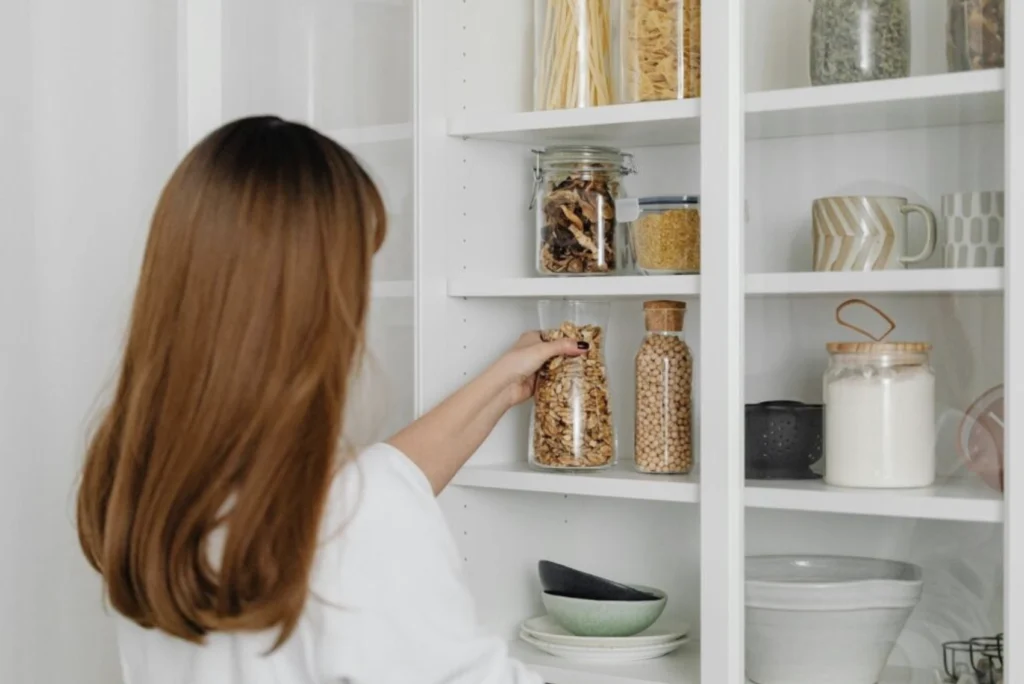
The foundation of any efficient pantry starts with a thoughtful layout. By carefully planning shelves, zones, and storage solutions, homeowners can prevent clutter from accumulating and ensure items remain easy to find. One of the most versatile and manageable formats is the reach-in pantry, which uses vertical shelving and adjustable sections to optimize space without requiring a large footprint. This type of design allows clear visibility of items while minimizing wasted space.
Strategic layout planning involves dividing the pantry into distinct functional zones. For example, grouping baking supplies, snacks, dry goods, and canned items in separate sections makes it easier to maintain order. Frequently used items should be placed at eye level for quick access, while bulk goods or less-used items can be stored on higher or lower shelves. A clear structure reduces the likelihood of misplaced items and encourages every household member to return things to their designated spots.
Prioritizing Accessibility and Visibility
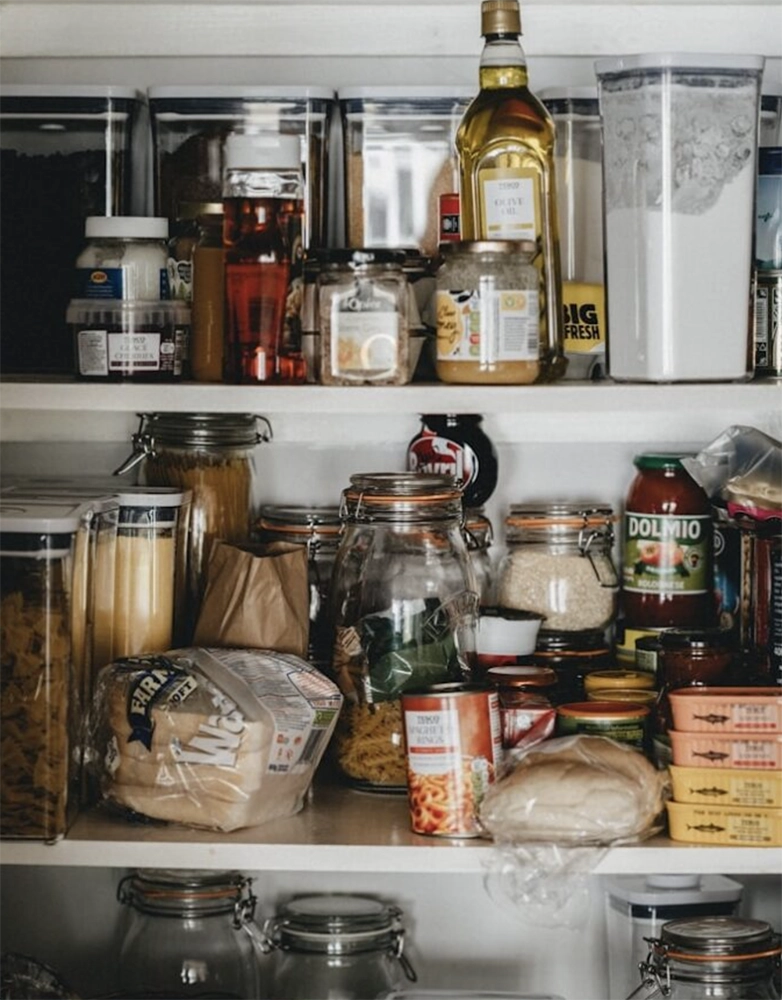
A pantry that’s difficult to navigate quickly becomes disorganized. Prioritizing accessibility and visibility helps maintain long-term order. Open shelving or shallow shelves make it easier to see all stored items at a glance, preventing ingredients from getting lost at the back. Transparent containers and clear labeling further improve visibility, reducing the chances of buying duplicates or letting items expire unnoticed.
Pull-out drawers, baskets, and tiered shelving systems can make deep shelves more functional by bringing items forward instead of forcing you to dig through layers. Good lighting is equally important. Well-lit pantries allow you to spot items quickly, which encourages consistent organization and prevents food from going to waste.
Selecting Storage Solutions That Adapt
Household needs evolve, and pantry storage should be able to adapt without requiring a complete overhaul. Adjustable shelving systems are a practical choice because they can be reconfigured as inventory changes or as families grow. Modular storage bins, stackable containers, and movable baskets offer flexibility for seasonal shifts or lifestyle changes, such as hosting more gatherings or accommodating dietary changes.
Investing in durable storage solutions ensures longevity and prevents the need for frequent replacements. Containers with airtight seals help preserve freshness, while sturdy baskets or bins stand up to daily wear and tear. Choosing systems that can evolve reduces maintenance demands and keeps the pantry functional well into the future.
Designing for Easy Cleaning and Maintenance
Pantries often accumulate crumbs, spills, and dust, making regular cleaning important. Designing with maintenance in mind can make this task much easier. Smooth, wipeable shelving surfaces simplify cleanup, while avoiding deep grooves or textured finishes reduces places where debris can collect. Removable bins and baskets can be taken out for thorough washing, ensuring that the pantry remains hygienic.
Flooring in pantry spaces should be easy to maintain. Tile, laminate, or sealed hardwood floors work well because they can be quickly swept or mopped. Incorporating baseboards or toe kicks can help prevent food from getting trapped underneath shelving units. By making every surface easy to clean, homeowners reduce the effort required to keep their pantry in good shape.
Encouraging Efficient Restocking and Rotation
One of the most common reasons pantries become disorganized is poor restocking habits. Even the most beautifully designed space can quickly turn chaotic if groceries are placed haphazardly or older items are buried behind new purchases. Efficient pantry design helps build habits that naturally encourage proper inventory rotation and restocking, minimizing waste and ensuring everything remains easy to find.
Deep shelves are particularly prone to becoming cluttered when items are pushed to the back and forgotten. This can lead to expired goods, duplicate purchases, and unnecessary spending. To avoid this, arrange shelves so that new items are consistently placed behind older ones.
This “first in, first out” method makes it easier to use products in the correct order, ensuring nothing lingers out of sight until it’s no longer usable. Using shelf risers, tiered organizers, or pull-out bins can help make items in the back more visible and accessible, even on deep shelves.
Balancing Aesthetics With Functionality
While functionality should be the priority, aesthetic considerations play a role in motivating long-term maintenance. A visually appealing pantry encourages regular upkeep because it feels rewarding to keep it organized. Matching containers, coordinated labels, and clean lines create a polished look that reflects well on the kitchen design.
It’s important to avoid overcomplicating the design with decorative elements that compromise usability. Too many open baskets, mismatched storage types, or purely decorative jars can create visual clutter and reduce functionality. Striking the right balance between aesthetics and practicality ensures that the pantry remains both beautiful and easy to manage.
Creating a System That Works for Everyone
For a pantry to remain organized long-term, the system must work for everyone who uses it. If the setup is too complex or tailored to just one person’s habits, it’s more likely to fall apart. Clear labeling, intuitive placement, and accessible zones help all household members participate in maintaining the space. Family members should be able to find and return items without needing instructions.
In shared households or larger families, assigning specific sections for different people or purposes can help maintain order. For example, dedicating a shelf for kids’ snacks or a bin for quick meal ingredients creates predictable zones that prevent items from being misplaced. When everyone understands and uses the same system, the pantry remains organized with less effort.
An efficiently designed pantry is not just a convenience, it’s an investment in long-term organization, cleanliness, and daily efficiency. By focusing on thoughtful layouts, accessibility, adaptable storage, easy maintenance, and clear systems, homeowners can create spaces that stay functional and attractive for years. Whether it’s a small reach-in or a spacious walk-in pantry, efficient design lays the groundwork for a storage system that supports everyday living without becoming a constant chore.